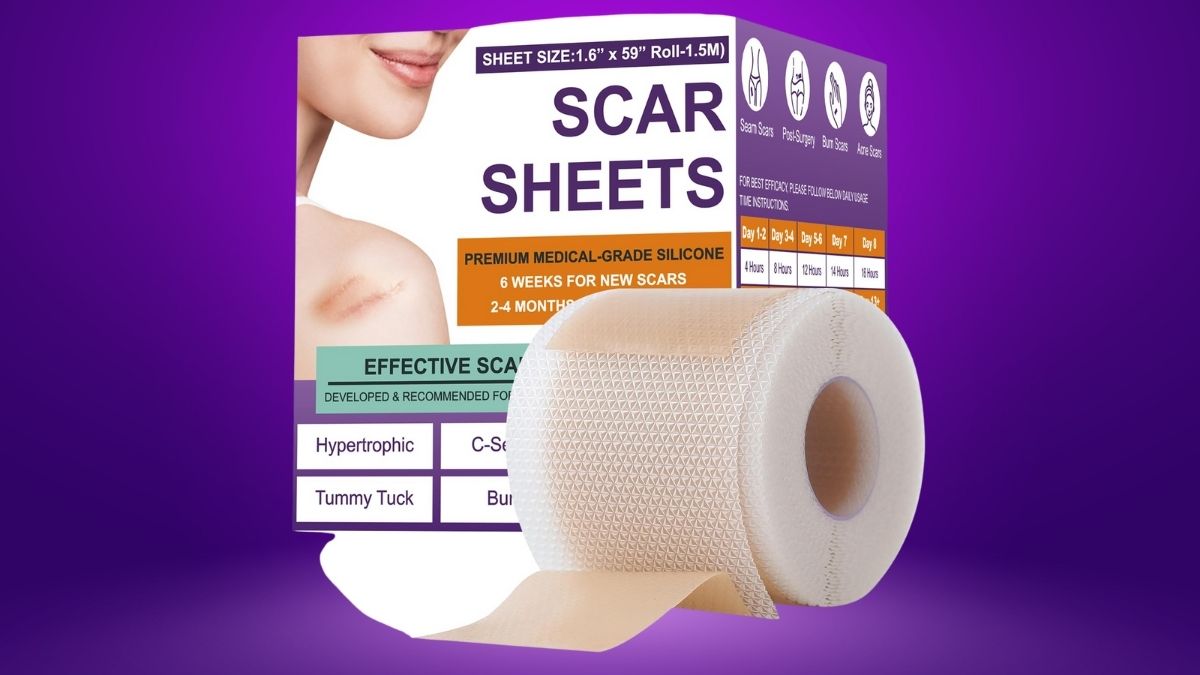
Today, silicone scar therapy is widely recognized as the gold standard in non-invasive scar management. With more than 30,000 people purchasing our medical-grade silicone roll in a single month, this treatment continues to help people reduce the appearance of scars from surgery, childbirth, burns, and even keloids.
This guide explains how silicone scar sheets work, the science behind them, and why our medical-grade tape offers one of the most effective solutions for scar recovery.
How Silicone Scar Sheets Work
Silicone therapy helps scars heal in multiple ways, combining hydration, protection, and gentle pressure.
- Protective Barrier – The sheets create a moisture-sealed environment that softens scar tissue and prevents further dehydration.
- Collagen Regulation – By keeping the skin hydrated, fibroblasts produce collagen in a more balanced pattern, reducing raised or lumpy scars.
- Breathability – Medical-grade silicone is oxygen-permeable, preventing irritation or bacterial buildup.
- Mild Compression – The sheets apply light pressure, gradually flattening raised scars.
- Immune Modulation – Research suggests silicone reduces excessive inflammatory responses that contribute to abnormal scar formation.
Together, these mechanisms make silicone scar sheets effective for a wide range of scar types.
Benefits of Our Medical-Grade Silicone Scar Tape
What sets our product apart is its design, safety, and long-term usability.
- Customizable Roll (1.6″ x 59″) – Cut to fit any scar size with no wasted material.
- Reusable Design – Each strip lasts 1–2 weeks with proper cleaning, giving months of continuous treatment.
- Hospital-Grade Safety – Made with biocompatible silicone suitable for sensitive, post-surgical skin.
- Flexibility – Moves naturally with the body, even on joints and curved areas.
- Self-Adhesive – No extra tape required, minimizing skin irritation.
- Discreet Use – Transparent and barely visible under clothing.
Scars That Respond to Silicone Therapy
Silicone scar sheets are versatile, working on both new and old scars:
- Surgical Incisions – Clean, linear scars from procedures like knee surgery or appendectomy.
- C-Section Scars – Helps reduce thickness, redness, and discomfort from horizontal or vertical incisions.
- Cosmetic Surgery Scars – Ideal for procedures where appearance is a priority, such as tummy tucks or facelifts.
- Hypertrophic & Keloid Scars – Reduces raised, red, and expanding scar tissue.
- Burns & Contractures – Softens tight tissue and can improve flexibility.
- Stretch Marks – Improves elasticity and may reduce visibility over time.
How to Use Silicone Scar Sheets
Proper use is key to results:
- Preparation – Wash and dry the scar area thoroughly.
- Cutting – Trim to size, leaving 0.5″ overlap around the scar.
- Application – Apply smoothly, avoiding wrinkles or trapped air.
- Wear Time – Use 12–24 hours daily. Dermatologists recommend at least 12 hours for results.
- Cleaning – Wash with mild soap, rinse, and air-dry. Adhesiveness returns once dry.
- Replacement – Replace every 1–2 weeks when adhesion fades.
- Treatment Duration – 6–8 weeks for new scars; 4–6 months (or longer) for older scars.
Scientific Evidence Behind Silicone Therapy
Silicone’s effectiveness is backed by decades of clinical research:
- Clinical Studies – Up to 80% of patients with hypertrophic scars saw improvement in texture and color.
- Professional Endorsements – Recommended by the International Advisory Panel on Scar Management.
- Meta-Analyses – Multiple reviews confirm significant improvements in scar elasticity, height, and redness.
- Early Intervention – Best results occur when therapy begins as soon as the wound closes.
Comparing Silicone Scar Sheets to Other Treatments
- Versus Gel – Sheets provide continuous contact and better cost efficiency.
- Versus Creams – Unlike ointments, sheets don’t rub off or wash away.
- Versus Injections – Non-invasive and pain-free, with no risk of atrophy or pigment changes.
- Versus Lasers – Affordable, at-home option without recovery time.
- Versus Pressure Garments – Delivers targeted pressure without discomfort.
- Versus Chemical Creams – Safe, inert, and free of bleaching agents.
Real User Experiences
- Timeline – Most users notice scar flattening within 4 weeks.
- Color Fading – Redness and discoloration typically improve by week 3–4.
- C-Section Benefits – Users report reduced itching and tenderness in addition to appearance improvements.
- Keloids – Smaller or newer keloids respond best, though larger ones may require combined therapies.
- Psychological Impact – Many find confidence improves alongside physical healing.
Precautions and Side Effects
- Mild Irritation – Occasionally occurs in humid conditions but resolves with short breaks.
- Not for Open Wounds – Only apply to fully healed skin.
- Maceration Risk – Avoid wearing without breaks to prevent skin whitening.
- Older Scars – Results may be slower with scars over two years old.
- Keloid Expectations – Improvements are common, but full resolution is rare without medical support.
- Medical Consultation – Recommended for those with sensitive skin or allergies.
Your Scar Healing Journey
Healing scars takes time, consistency, and patience. With our reusable 59-inch roll of medical-grade silicone, you can treat multiple scars or continue therapy for months.
Early, consistent use offers the best results, and many users continue beyond the initial treatment period to see ongoing improvements.
Your scars tell a story—but with the right care, you can choose how visible that story remains.
Available on Amazon, our silicone scar sheets provide a safe, effective, and affordable way to support your healing journey.
Leave a Reply