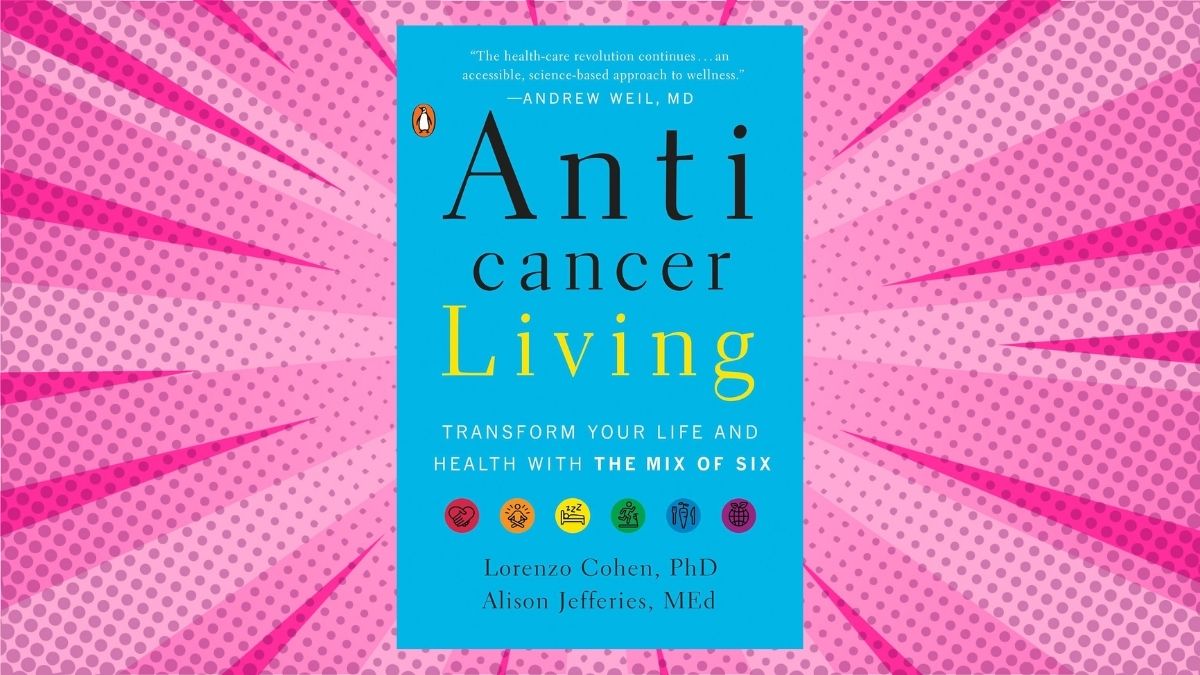
Cancer touches nearly everyone. Dr. Lorenzo Cohen and Alison Jefferies argue that risk isn’t fixed—and that coordinated lifestyle shifts can meaningfully move the needle.
Their “Mix of Six” blends evidence across sleep, stress, movement, nutrition, social support, and environmental exposure to create a body less hospitable to disease. Below, the science, the why, and the how.
The Science Behind Anticancer Living
Here’s how the book frames the evidence and why synergy matters.
- The Epigenetic Revolution: Lifestyle factors can switch genes “on” or “off,” influencing cancer risk without altering DNA.
- The Preventable Cancer Burden: Research shows up to 50% of cancer deaths may be avoidable through lifestyle choices.
- Inflammation, Immunity, and Oxidative Stress: The six pillars target these three processes central to cancer development.
- Evidence from the Clinic: Patient cases show improved outcomes when the Mix of Six is applied.
- The Synergistic Multiplier: Combining lifestyle changes yields greater benefits than focusing on just one.
The Social Connection: Building Your Support Network
Social health is biological health.
- The Biology of Belonging: Positive relationships strengthen immunity and reduce inflammation.
- Strengthening Your Social Web: Deepen ties through rituals, listening, and supportive communities.
- Micro-Moments Matter: Even brief interactions produce measurable health benefits.
- Communicating Health Priorities: Clear, values-based discussions foster family support.
- Communities of Healing: Support groups provide shared wisdom and encouragement.
Managing Stress: From Chronic Pressure to Resilience
Chronic stress alters hormones, immunity, and gene activity.
- The Cancer–Stress Connection: Prolonged stress drives inflammation, immune suppression, and DNA damage.
- Evidence-Based Stress Reduction: Mindfulness, breathing, and nature reduce harmful stress markers.
- Personalized Stress Management: Tailor stress relief to personality for lasting habits.
- Creating Sustainable Rituals: Daily and weekly practices build resilience over time.
- The Cortisol Connection: Restoring healthy cortisol rhythms reduces cancer-promoting environments.
- Digital Boundaries for Well-Being: Limiting tech use lowers chronic stress and supports sleep.
Sleep and Recovery: The Healing Power of Rest
Sleep drives DNA repair, immune strength, and recovery.
- Sleep and DNA Integrity: Deep sleep enables repair of cancer-linked DNA damage.
- Sleep Hygiene for Cellular Health: Consistent routines and environments optimize restorative sleep.
- Sleep Quality and Treatment Outcomes: Better sleep improves therapy tolerance and effectiveness.
- Creating Your Sleep Sanctuary: Dark, cool, tech-free rooms support deeper rest.
- Aligning with Natural Rhythms: Sunlight and routine align sleep with circadian cycles.
- Recovery Beyond Sleep: Breaks, meditation, and restorative movement aid healing.
Movement as Medicine: Exercise’s Role in Cancer Prevention
Physical activity is one of the strongest protective factors.
- The Protective Power of Movement: Exercise lowers risk across multiple cancer types.
- Minimum Effective Dose: Even short, moderate sessions reduce cancer risk.
- The Hormonal Impact: Activity improves insulin sensitivity and regulates hormones.
- Practical Movement Protocols: Tailored exercise plans make activity accessible.
- Strength Training’s Critical Role: Resistance exercise provides unique metabolic benefits.
- Movement Beyond Exercise: Everyday activity matters as much as structured workouts.
Nutritional Strategies for Anticancer Living
Food choices shape inflammation, immunity, and microbiome balance.
- The Plant-Based Protection Effect: Plant-centered diets lower cancer risk.
- Cancer-Fighting Foods and Mechanisms: Crucifers, berries, turmeric, and mushrooms fight disease pathways.
- Sustainable Meal Planning: Practical strategies make healthy eating doable.
- The Gut Microbiome Connection: Fiber and fermented foods strengthen microbial defenses.
- Anti-Inflammatory Eating Without Fads: Balanced fats and antioxidants protect against inflammation.
- Mindful Eating Practices: Eating with awareness improves digestion and choices.
Environmental Toxins: Reducing Your Exposure
Smart changes cut toxic burden without overwhelm.
- Household Toxins of Concern: Plastics, pesticides, and chemicals drive avoidable risk.
What Makes the Mix of Six Work in Real Life
The framework is a lifestyle, not a diet—small, stacked habits across six pillars reduce inflammation, improve immunity, and boost resilience.
Whether you’re healthy, in treatment, or supporting someone else, the Mix of Six offers practical, evidence-backed hope. Available on Amazon.
Leave a Reply