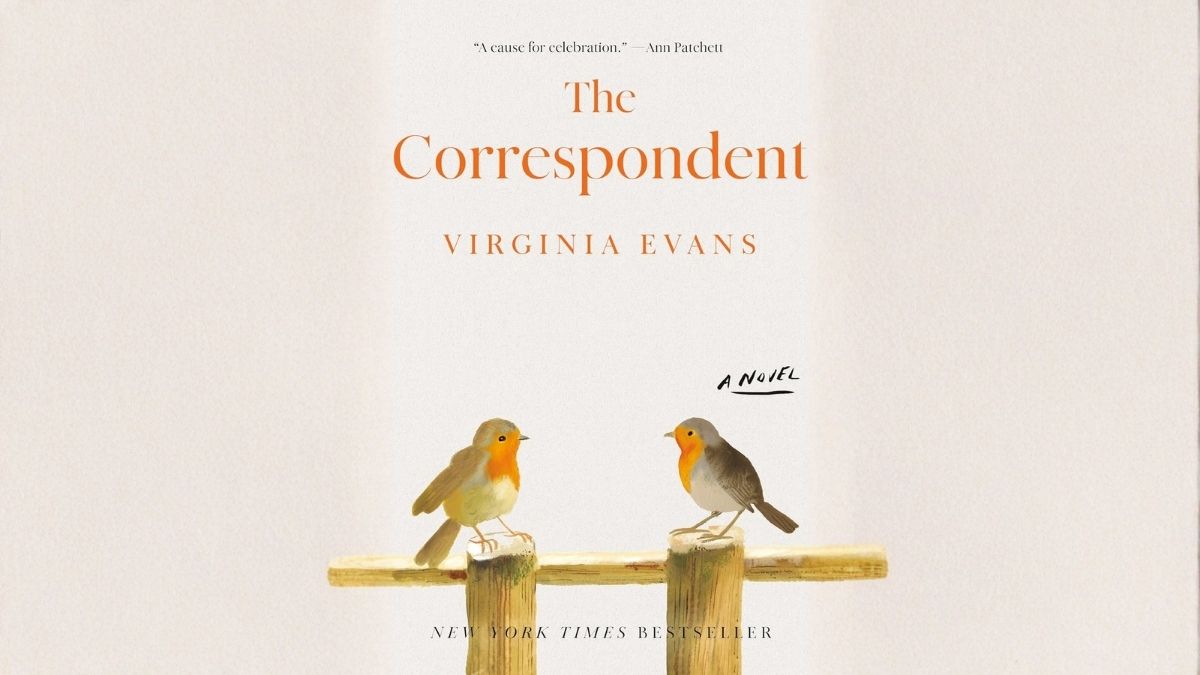
When was the last time you wrote something by hand and didn’t send it right away? The Correspondent:
A Novel by Virginia Evans invites you to pause, reflect, and consider the power of words left unsaid. In a world dominated by instant communication, this widely praised novel feels refreshingly deliberate—an experience designed for readers who appreciate emotional depth over spectacle.
At the center of the story is Sybil Van Antwerp, a retired lawyer whose days revolve around writing letters she never intends to mail. As you read, you don’t just observe her life—you step inside her inner world, shaped by memory, restraint, and long-held truths. This character-driven approach is one reason the novel has earned such strong reader loyalty and critical acclaim.
Story Overview: Why Unsent Letters Carry So Much Weight
Rather than relying on dramatic twists, The Correspondent unfolds through introspection. Sybil’s routine of writing unsent letters allows her to process relationships, regrets, and unresolved conflicts. The story gains emotional momentum when an unexpected letter from her past arrives, disrupting the careful balance she has built.
Through this premise, you’re invited to explore themes that feel deeply relatable:
- How memory changes as you age
- Why forgiveness is often postponed rather than denied
- What it means to confront emotional truth later in life
The novel doesn’t rush these ideas. Instead, it trusts you to sit with them, mirroring the way real reflection often unfolds—slowly, sometimes uncomfortably, but honestly.
Sybil Van Antwerp: A Study in Quiet Complexity
Sybil stands out because she isn’t extraordinary in a traditional sense. She’s thoughtful, disciplined, occasionally guarded, and profoundly human. If you’ve ever wondered whether personal growth still matters later in life, her journey offers a reassuring perspective.
You see her not only as a former professional, but as a mother, grandmother, and individual shaped by choices both made and avoided. Her letters function as emotional checkpoints, revealing vulnerability without oversharing.
What makes her especially compelling is the balance Evans strikes between strength and uncertainty. Sybil doesn’t suddenly transform; instead, her evolution feels earned, gradual, and believable.
The Epistolary Style: A Strength With Trade-Offs
The novel’s letter-based structure is central to its identity, and it naturally invites different reactions. From one perspective, the format creates intimacy—you feel like a trusted confidant reading private thoughts. From another, it may feel slower than conventional storytelling.
Why the format works well:
- It deepens emotional access to the protagonist
- It reinforces the theme of reflection and memory
- It aligns with the novel’s meditative tone
Potential limitations to consider:
- The pacing is intentionally unhurried
- External action is limited compared to plot-heavy novels
If you enjoy literary fiction that prioritizes voice and introspection, the structure enhances the experience rather than hindering it.
Themes That Speak Across Generations
One of the novel’s strengths lies in its universal relevance. Aging is portrayed not as decline, but as a stage still rich with possibility. Memory is shown as fluid, shaped by perspective rather than fixed truth. Forgiveness emerges not as a single act, but as a process—often incomplete, yet still meaningful.
Evans avoids simple conclusions, allowing you to engage with these ideas on your own terms. This openness is part of why readers across age groups find something personal in Sybil’s story.
Reading Experience and Format Options
Whether you prefer physical books or digital convenience, The Correspondent adapts well to different reading styles. The reflective tone suits quiet, unrushed reading sessions, while the audiobook format appeals to those who enjoy thoughtful narration during commutes or downtime.
If you enjoy books that linger emotionally rather than racing to a conclusion, this novel rewards your patience.
Who Will Appreciate This Novel Most
You’ll likely enjoy The Correspondent if you:
- Prefer character-driven literary fiction
- Appreciate reflective, emotionally nuanced storytelling
- Enjoy themes of memory, aging, and reconciliation
You may find it less engaging if you:
- Prefer fast-paced plots
- Expect frequent dialogue or high-stakes action
Understanding these distinctions helps set the right expectations and ensures a satisfying reading experience.
A Thoughtful Choice for Readers and Gift-Givers
The Correspondent: A Novel reminds you that even quiet lives contain profound meaning. Virginia Evans delivers a story that honors reflection, emotional honesty, and the lasting power of words. It’s the kind of book that stays with you—not because of dramatic moments, but because it feels true.
If you’re searching for a meaningful read or a thoughtful gift, this novel fits comfortably among Amazon best sellers in literary fiction. As you browse for more gift ideas, consider pairing it with other reflective novels, journals, or stationery that celebrate the written word and the connections it creates.
Leave a Reply