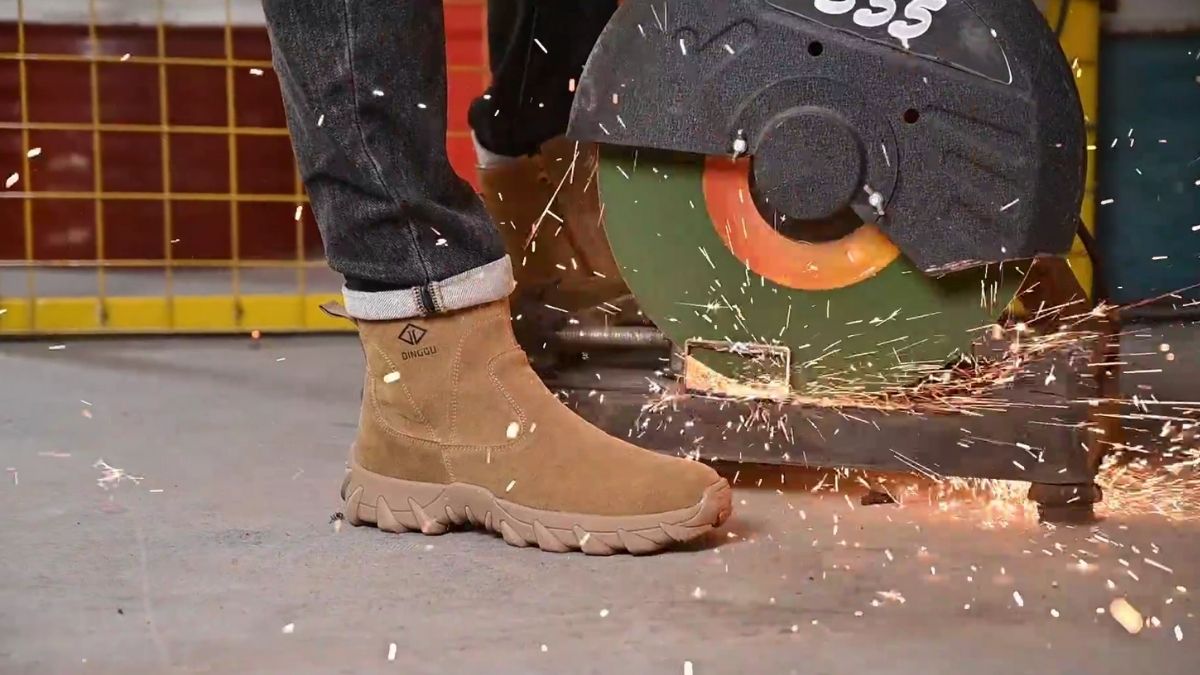
Walking onto a construction site or welding shop demands footwear that doesn’t compromise. Your feet are your foundation, and the right pair of boots determines whether you finish your shift strong or in pain.
With hazards ranging from falling objects to molten metal splatter, steel toe leather boots aren’t just footwear—they’re essential gear for safety and endurance.
Let’s break down what makes them a must-have for industrial professionals.
Superior Protection Features for Hazardous Environments
Industrial settings demand layers of defense, and these boots deliver. Each safety element is engineered for real-world risks, from impact to heat exposure.
- Reinforced Steel Toe Protection: Toe caps exceed ASTM F2413-18 standards and European certifications, providing robust defense against falling tools and compression.
- Advanced Puncture Resistance: Kevlar midsoles block nails, sharp debris, and metal fragments that would easily penetrate standard boots.
- Impact Absorption Capabilities: Energy-dispersing structures reduce crush injury risks by spreading impact forces across the boot.
- Specialized Welding Protection: Genuine leather and reinforced overlays shield against sparks and molten metal.
Genuine Leather Construction: Durability Meets Craftsmanship
Leather remains the material of choice for professionals, balancing natural strength with comfort over time.
- Premium Materials: Full-grain and suede options mold to your foot for a custom fit while withstanding daily abuse.
- Natural Protective Properties: Leather resists heat, abrasion, and moderate chemical exposure better than synthetics.
- Reinforced Build: Double-stitched seams hold strong at stress points like heels and toes.
- Breathable Design: Leather regulates temperature, keeping feet cooler in summer and warmer in winter.
Advanced Comfort Technology for All-Day Wear
Safety means little without comfort—long shifts require boots that support every step.
- Cushioned Support System: Latex insoles and ergonomic arch support reduce fatigue during 10–12 hour days.
- Moisture Management: Breathable linings wick sweat, preventing odor and skin irritation.
- Strategic Padding: Extra cushioning at ankles and heels prevents blisters during break-in.
- Lightweight Engineering: At roughly 3 pounds per pair, they balance durability with mobility.
Slip-Resistant Outsole Engineering
Work sites vary, so traction is critical. These outsoles are built for stability across surfaces.
- Specialized Tread Pattern: Provides grip on wet concrete, metal flooring, and uneven terrain.
- Oil and Chemical Resistance: Protects against slick hazards common in automotive and industrial shops.
- Self-Cleaning Design: Prevents buildup of mud or debris in tread grooves.
- Enhanced Edge Grip: Offers ladder safety and secure footing on unstable surfaces.
- Impact Reduction: Shock-absorbing heels reduce joint stress from constant movement.
Versatility Across Industrial Applications
These boots adapt to multiple trades, proving their value across industries.
- Construction Sites: Full protection against debris, compression, and slips.
- Welding Workshops: Suede-leather models resist sparks and hot metal splatter.
- Warehouses & Logistics: Lightweight design supports extensive walking.
- Automotive Garages: Oil-resistant soles stand up to spills and chemicals.
- Manufacturing Floors: Anti-slip tread ensures stability near machinery.
Proper Fit and Sizing Guide
Choosing the right fit maximizes both comfort and safety.
- Measure feet later in the day when they’re slightly swollen.
- Factor in sock thickness—heavy-duty socks need extra room.
- Expect a break-in period of several days to a week.
- Select the correct width to avoid pressure points and ensure toe mobility.
Maintenance Tips for Extended Boot Life
Durability comes from proper care. Simple routines extend the life of your investment.
- Clean Regularly: Wipe down after use; deep clean weekly with leather-safe products.
- Condition Leather: Apply conditioner every 1–3 months to prevent cracking.
- Dry Naturally: Avoid direct heat; stuff with newspaper to absorb moisture.
- Maintain Insoles: Replace every 6–12 months to preserve cushioning.
- Inspect Often: Watch for worn stitching, thinning tread, or weakened toe caps.
- Store Properly: Keep in a cool, dry place with boot trees or paper stuffing.
The Investment Perspective: Value Beyond Price
Steel toe leather work boots are not a luxury—they’re essential equipment. They prevent injuries, reduce fatigue, and withstand years of demanding use.
Compared to replacing cheaper boots multiple times, quality footwear saves money while protecting your health and safety. When cared for properly, a single pair can deliver lasting performance shift after shift.
These steel toe leather work boots are part of Amazon New Releases in Men’s Work & Safety Footwear. You can explore more options within this category to find the right fit for your trade and environment.
Leave a Reply