Becoming familiar with how your plumbing normally operates makes unusual changes easier to recognize. New noises, persistent odors, slower drainage, unexplained moisture, pressure changes, and unusual water consumption don’t provide a diagnosis on their own, but they can signal that it’s time to investigate further.
Plumbing problems aren’t always dramatic or immediately visible. Some develop gradually behind walls, beneath floors, around fixtures, or inside drainage systems. Changes in how your plumbing looks, sounds, or performs can provide useful clues that something needs attention.
Not every symptom means you’re facing a major repair, but recurring or worsening problems are worth investigating.
Persistent Dripping Faucets
A faucet that continues dripping after it’s completely turned off may have a worn cartridge, washer, seal, valve, or another internal component.
An occasional drop immediately after use isn’t the same as continuous dripping. If a simple accessible repair doesn’t solve the problem, further evaluation may be appropriate.
Visible Leaks Around Pipes and Fixtures
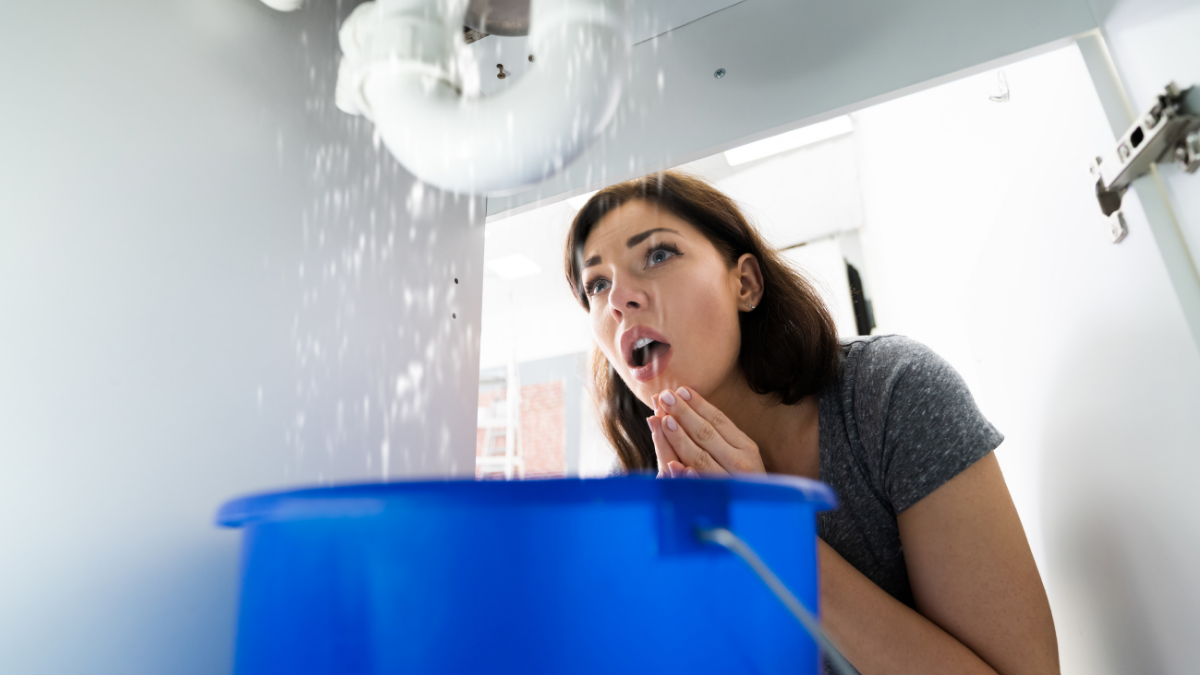
Water around supply lines, drains, shutoff valves, toilets, sinks, or appliances shouldn’t be ignored.
Watch for droplets, damp surfaces, corrosion, staining, or mineral deposits. Even a slow leak can affect cabinets, flooring, walls, and surrounding materials over time.
Unexplained Water Stains
Discoloration on ceilings, walls, cabinets, or floors can sometimes indicate a plumbing leak nearby.
However, plumbing isn’t the only possible cause. Roof leaks, windows, condensation, and other building conditions can also create moisture damage. A stain that grows or repeatedly becomes damp deserves closer investigation.
Slow or Frequently Clogged Drains
A single slow drain may result from accumulated hair, soap residue, grease, food debris, or another localized obstruction.
When several fixtures begin draining poorly at the same time, the issue could involve a shared drain or sewer line. Gurgling toilets, backed-up tubs, or water appearing in one fixture when another is used can also indicate a broader drainage problem.
A Toilet That Frequently Clogs or Runs
An occasional toilet clog can happen, but frequent blockages may indicate a problem with the fixture, drain, venting, or another part of the wastewater system.
A toilet that keeps running long after flushing may have an internal tank problem, such as a worn component or incorrectly adjusted mechanism.
Gurgling Sounds and Unpleasant Odors
Unusual gurgling or bubbling from sinks, tubs, showers, or toilets can sometimes be related to drainage or venting conditions.
Persistent sewer-like odors also deserve attention. Dry traps, damaged seals, drainage issues, and venting problems are among the possible causes.
Rather than simply masking persistent odors, identify their source.
Changes in Water Pressure
Low flow at one faucet or showerhead might result from debris or mineral deposits in the fixture. Changes affecting several areas of the home can have different causes.
Unusually high pressure also deserves attention because it can place additional stress on plumbing components. Diagnosis is important before making adjustments to pressure-control equipment.
Unexpected Changes in Water Use
A significant increase in water consumption without a corresponding change in your household routine could indicate a leak or malfunctioning fixture.
Possible causes include running toilets, irrigation problems, dripping fixtures, and concealed supply-line leaks. Compare actual consumption when possible because billing periods and rates can also change.
Sounds of Running Water
If you hear dripping, running, or hissing when no fixture or water-using appliance should be operating, investigate further.
The sound could come from a toilet, appliance, irrigation system, or concealed plumbing. Avoid opening walls or floors based only on sound, since electrical wiring and other building systems may be hidden nearby.
Damp, Warped, or Discolored Flooring
Water around or underneath flooring can cause materials to swell, loosen, discolor, or change shape.
Pay particular attention to bathrooms, kitchens, laundry rooms, and areas near water heaters or supply lines. Since flooring damage can have several causes, identify the moisture source before replacing finishes.
Corrosion and Mineral Deposits
Check exposed pipes, fittings, valves, water heaters, and fixture connections for deterioration.
Corrosion can be associated with age, moisture exposure, water chemistry, or component deterioration. Mineral deposits can also develop where small amounts of water repeatedly escape and evaporate.
Water Heater Problems
Water around the heater, corrosion, unusual noises, inconsistent hot water, or noticeable performance changes may indicate that maintenance or repair is needed.
Because water heaters can involve hot water, pressure, electricity, gas, or combustion, repairs may require qualified professional service.
Sewage or Wastewater Backups
Wastewater entering sinks, tubs, showers, toilets, or floor drains is a significant warning sign.
Avoid contact with sewage and limit use of affected plumbing until the problem can be assessed. Cleanup may involve health and sanitation concerns in addition to the plumbing repair itself.
Know When It’s Time for Professional Help
Basic tasks such as cleaning an accessible faucet aerator may be manageable for homeowners.
Concealed leaks, recurring clogs, sewer problems, damaged pipes, water heater issues, and major pressure changes can require professional diagnosis and specialized equipment.
Leave a Reply