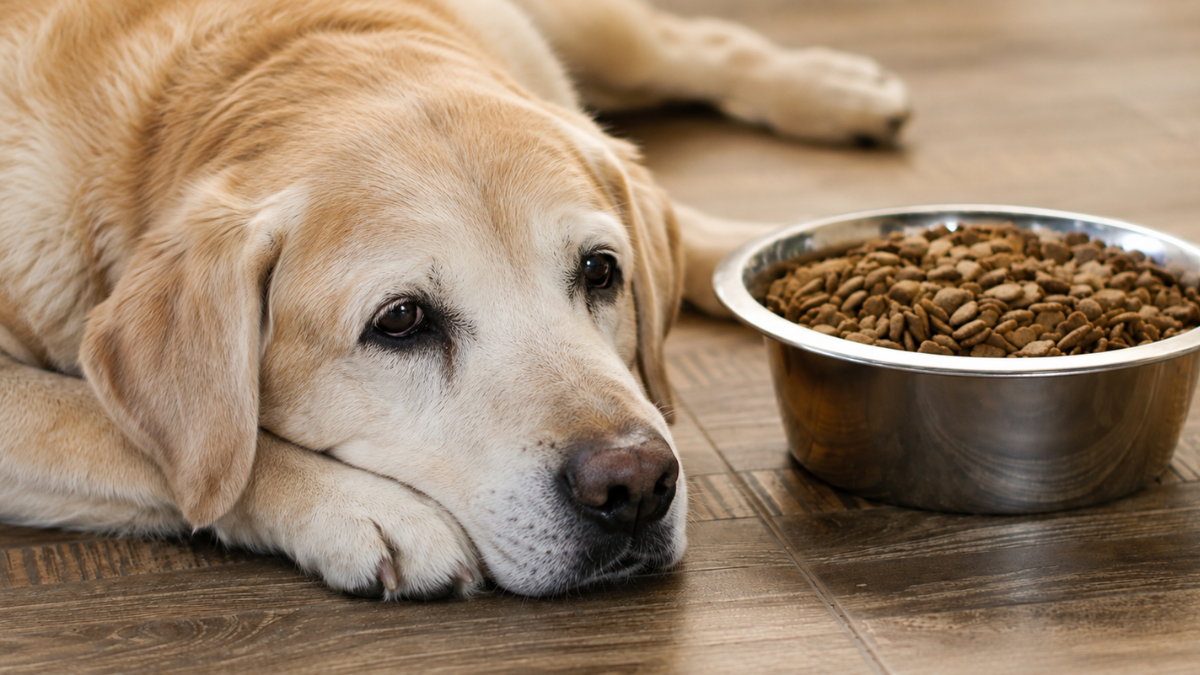
As dogs grow older, their nutritional needs can change along with their activity levels, digestion, weight, and overall lifestyle. Choosing the right senior dog food can help you provide balanced everyday nutrition while accommodating these age-related changes.
There is no single diet that works for every older dog. Breed, size, activity level, body condition, and existing dietary needs can all influence what belongs in your dog’s bowl.
What Is Senior Dog Food and How Is It Different?
Senior dog food is generally formulated with the nutritional needs of older dogs in mind. Depending on the recipe, it may differ from standard adult dog food in calories, fat, fiber, protein, texture, or added nutrients.
However, the word “senior” does not automatically mean that a particular food is appropriate for every older dog. Dogs age at different rates, especially across different breeds and sizes.
Common characteristics of senior formulas may include:
- High-quality sources of protein
- Controlled calorie levels
- Digestible ingredients
- Dietary fiber
- Omega fatty acids
- Vitamins and minerals
- Ingredients intended to support everyday joint nutrition
Checking the complete nutritional profile is more useful than relying on the “senior” label alone.
When Should You Consider Switching to Senior Dog Food?
There is no universal age when every dog needs to move to a senior diet. Large dogs often reach their senior years sooner than smaller breeds.
You may want to review your dog’s diet as you notice changes in activity, appetite, body condition, or eating habits. Your veterinarian can also help determine whether your dog’s current food remains appropriate.
A gradual transition is generally preferable when changing foods. Mixing increasing amounts of the new food with decreasing amounts of the previous food over several days can give your dog’s digestive system time to adjust.
What Should You Look for in Food for Older Dogs?
The best choice depends on your dog’s individual nutritional requirements. Still, several features are worth considering when comparing food for older dogs.
High-Quality Protein
Older dogs still require protein as part of a balanced diet. Protein provides amino acids needed for normal body functions and maintenance of muscle.
Look at the ingredient list and nutritional information rather than assuming older dogs automatically need low-protein diets.
Dogs with specific medical conditions may have different requirements, which should be discussed with a veterinarian.
Appropriate Calories
Many dogs become less active as they age. If their calorie intake remains unchanged while activity declines, unwanted weight gain may become easier.
A senior dog diet with an appropriate calorie level can help you manage portions according to your dog’s lifestyle and body condition.
Fiber and Digestible Ingredients
Some older dogs may benefit from diets containing suitable amounts of dietary fiber. Fiber can contribute to normal digestive function and may help with satiety.
Digestibility matters as well. A food that provides balanced nutrition while agreeing with your dog’s digestive system can make everyday feeding easier.
Omega Fatty Acids
Omega-3 and omega-6 fatty acids are commonly found in dog foods. These nutrients play several roles in normal body function and can contribute to healthy skin and coat.
Ingredients such as fish oil are frequently used as omega-3 sources in senior formulas.
Vitamins and Minerals
A complete and balanced diet should provide essential vitamins and minerals in appropriate proportions. More is not necessarily better, so adding supplements without professional guidance may unnecessarily alter an otherwise balanced diet.
Senior Dog Food: Dry Versus Wet Options
Both dry and wet food can fit into an older dog’s diet. Your choice may depend on your dog’s preferences, nutritional requirements, chewing ability, and budget.
| Feature | Dry Senior Dog Food | Wet Senior Dog Food |
|---|---|---|
| Moisture | Lower | Higher |
| Storage after opening | Generally convenient | Usually requires refrigeration |
| Texture | Firm and crunchy | Soft and moist |
| Portioning | Easy to measure | Easy to serve |
| Cost per serving | Often lower | Often higher |
| Suitable for mixing | Yes | Yes |
Some dogs enjoy a combination of wet and dry food. Adding wet food can change texture and flavor while increasing dietary moisture.
Should Senior Dogs Eat Lower-Calorie Food?
Not necessarily.
An older dog that becomes less active may require fewer calories, but another senior dog may struggle to maintain an appropriate weight. Feeding requirements should therefore be based on the individual dog rather than age alone.
Monitor your dog’s body condition and adjust portions when necessary. Feeding guidelines on packaging provide a useful starting point, but they are not exact requirements for every animal.
Does Senior Dog Food Need Joint-Supporting Ingredients?
Many senior formulas contain ingredients such as glucosamine, chondroitin, or omega-3 fatty acids. Their amounts vary considerably among products.
If mobility is becoming a concern, speak with your veterinarian instead of depending entirely on dog food to address the issue. Changes in movement can have many causes that require proper evaluation.
How to Read a Senior Dog Food Label
Pet food packaging can contain a lot of information, but a few areas deserve particular attention.
Check:
- Nutritional adequacy information – Look for information indicating the food is complete and balanced for the appropriate life stage.
- Ingredient list – Ingredients are generally listed by weight.
- Guaranteed analysis – This shows minimum or maximum amounts of nutrients such as protein, fat, fiber, and moisture.
- Calorie content – Useful when comparing foods and managing portions.
- Feeding recommendations – Use these as a starting point and adjust according to your dog’s individual needs.
Avoid choosing food based entirely on attractive packaging or marketing phrases. The nutritional information tells you much more about what you are actually feeding.
How Much Should You Feed a Senior Dog?
The correct portion depends on factors including your dog’s:
- Weight
- Body condition
- Breed and size
- Activity level
- Age
- Calorie requirements
- Treat consumption
Start with the manufacturer’s feeding guidelines and monitor your dog’s weight and body condition. Treats and table foods also contribute calories and should be considered when evaluating total daily intake.
How to Change Your Dog to a Senior Diet
Suddenly replacing your dog’s food may lead to digestive discomfort. Unless your veterinarian recommends otherwise, introduce the new food gradually.
A transition might look like this:
| Transition Period | Current Food | New Senior Food |
| Days 1–2 | 75% | 25% |
| Days 3–4 | 50% | 50% |
| Days 5–6 | 25% | 75% |
| Day 7 onward | 0% | 100% |
Some dogs may need a slower transition. Watch your dog’s appetite and stool during the process and seek veterinary advice if significant digestive problems develop.
Frequently Asked Questions About Senior Dog Food
Is senior dog food necessary for every older dog?
No. Some older dogs may continue doing well on an appropriate adult formula. The important consideration is whether the diet meets your dog’s current nutritional needs.
Is wet food better for senior dogs?
Neither wet nor dry food is automatically better. Wet food provides more moisture and a softer texture, while dry food can be convenient and economical. Individual preferences and nutritional requirements should guide the choice.
Can senior dogs still eat treats?
Yes, but treats should be given in moderation and included when considering total calorie intake. Nutritionally complete food should make up the majority of the diet.
How often should an older dog eat?
Many dogs continue eating two meals per day, although individual schedules vary. Your veterinarian may suggest a different feeding routine based on your dog’s specific needs.
What if my senior dog suddenly stops eating?
A significant or unexplained change in appetite deserves attention, especially in an older dog. Contact your veterinarian rather than assuming the problem is simply a normal part of aging.
Choosing Senior Dog Food With Your Dog’s Individual Needs in Mind
Finding suitable senior dog food is less about choosing a product because it says “senior” on the package and more about understanding your dog’s changing nutritional requirements.
Look for complete and balanced nutrition, appropriate calories, quality protein, useful sources of fiber and fatty acids, and a formula your dog enjoys eating. Continue monitoring weight, appetite, digestion, and body condition as your dog gets older.
Regular veterinary checkups can also help you determine when dietary adjustments are appropriate.
Leave a Reply