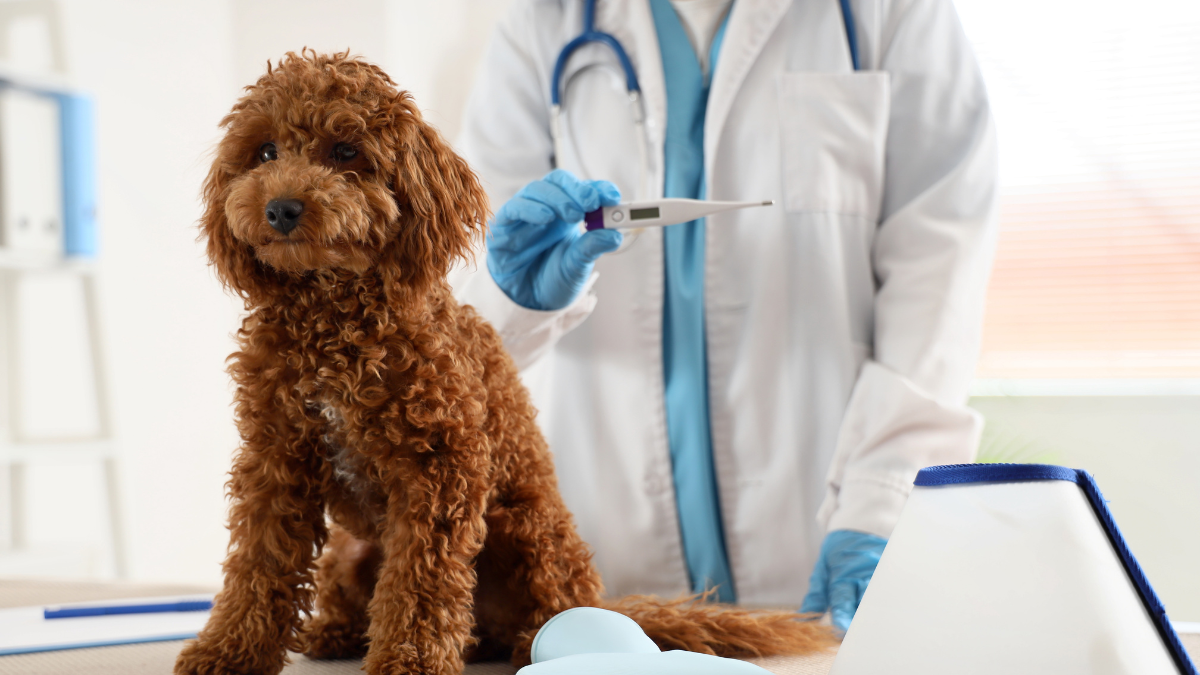
Unexpected veterinary expenses can put pressure on a household budget, especially when a pet needs diagnostic testing, surgery, emergency care, or ongoing treatment. Pet Insurance for Vet Bills may help eligible pet owners manage some covered costs based on the policy they choose. Coverage varies by insurer and policy type.
Deductibles, reimbursement percentages, annual limits, waiting periods, exclusions, and pre-existing condition rules may affect how much a pet owner receives after filing a claim. Reading policy documents carefully can help clarify which expenses may qualify. This guide explains how pet insurance may work, which veterinary costs may be covered, common exclusions, and the policy details pet owners may want to review before enrolling.
What Is Pet Insurance for Vet Bills?
Pet insurance is a type of policy designed to reimburse eligible veterinary expenses after a covered accident, illness, or treatment.
Depending on the plan, pet health insurance may help pay part of the cost of diagnostic exams, hospitalization, surgery, prescription medications, imaging, and certain treatments.
Pet owners commonly pay the veterinarian first and submit a claim afterward. The insurer then reviews the claim and may reimburse eligible costs based on the policy terms.
Some insurers may use different payment arrangements, so policyholders should review the claims process before enrolling.
How Does Pet Insurance for Vet Bills Work?
Most policies follow a structure involving a deductible, reimbursement rate, and coverage limit.
A typical process may look like this:
- Your pet receives treatment from a licensed veterinarian.
- You pay the veterinary clinic.
- You submit the required claim documents.
- The insurer reviews the treatment under your policy terms.
- Approved expenses may qualify for vet bill reimbursement.
- Your reimbursement depends on the deductible, reimbursement percentage, coverage limits, and exclusions.
For example, a policy with an 80% reimbursement rate does not necessarily mean the insurer pays 80% of every veterinary invoice. Deductibles, excluded services, claim limits, and other policy conditions may reduce the reimbursed amount.
Which Vet Bills May Pet Insurance Cover?
Coverage depends heavily on the policy.
Common eligible expenses under pet medical coverage may include:
- Emergency veterinary treatment
- Diagnostic tests
- X-rays
- Ultrasounds
- Bloodwork
- Hospitalization
- Surgery
- Prescription medications
- Treatment for certain illnesses
- Treatment following covered accidents
- Specialist care when eligible under the policy
Some plans may include additional services, while other plans may exclude them.
Always check the insurer’s policy documents before assuming a treatment qualifies.
Pet Insurance Coverage Comparison
| Policy Type | What It May Cover | Common Limitations |
|---|---|---|
| Accident-only coverage | Injuries caused by eligible accidents | Illness treatment usually excluded |
| Accident and illness coverage | Eligible accidents and diagnosed illnesses | Pre-existing conditions may be excluded |
| Wellness add-on | Certain routine care expenses | Usually subject to separate allowances |
| Emergency-focused coverage | Certain urgent treatments and accidents | Coverage depends on policy definitions |
For many owners, accident and illness pet insurance may provide broader protection than accident-only coverage, though premiums may differ based on several factors.
Can Pet Insurance Help With Emergency Vet Bills?
It may.
Emergency pet insurance may help reimburse eligible expenses following covered emergencies, such as accidental injuries or sudden illnesses. Possible covered services may include diagnostic testing, surgery, hospitalization, medications, and specialist treatment. Coverage is never automatic.
The medical condition must meet the insurer’s coverage rules, and exclusions, deductibles, reimbursement rates, and annual limits may apply.
What Is Veterinary Expense Coverage?
Veterinary expense coverage refers to insurance benefits that may reimburse eligible veterinary treatment costs.
Covered expenses depend on the policy. Some plans focus on accidents, while others include illnesses and certain diagnostic procedures.
Pet owners should check:
- Eligible veterinary treatments
- Reimbursement percentage
- Annual coverage limit
- Deductible amount
- Waiting periods
- Age restrictions
- Breed restrictions, if applicable
- Excluded conditions
- Pre-existing condition rules
- Claims documentation requirements
These details can have a major impact on the value a policy may provide.
What Does Pet Insurance Usually Exclude?
Pet insurance policies commonly contain exclusions.
Depending on the insurer, exclusions may include:
- Pre-existing conditions
- Certain elective procedures
- Cosmetic procedures
- Breeding-related expenses
- Routine care without a wellness benefit
- Treatments outside policy requirements
- Conditions diagnosed during a waiting period
- Certain hereditary or congenital conditions under specific policies
Exclusions vary significantly. Policy documents should be checked carefully before enrollment.
What Is a Pre-Existing Condition?
A pre-existing condition generally refers to a health issue that existed before the policy became effective or during an applicable waiting period. Definitions can vary among insurers. Some insurers may review veterinary records to determine if symptoms or treatment occurred before enrollment.
How Do Pet Insurance Deductibles Work?
A deductible is the amount a policyholder may need to pay before eligible reimbursement begins.
Policies may use different deductible structures.
Annual Deductible
An annual deductible typically applies across eligible claims during a policy year.
Per-Condition Deductible
A per-condition deductible may apply separately to individual covered medical conditions. The deductible amount can influence both premiums and potential reimbursement. A higher deductible may reduce monthly premiums in some cases, while increasing the amount the pet owner pays before reimbursement starts.
What Is a Pet Insurance Reimbursement Rate?
The reimbursement rate refers to the percentage of eligible expenses the insurer may pay after applicable policy calculations. Common reimbursement percentages may vary by insurer and policy.
For example, if an eligible veterinary expense is $1,000, an insurer may calculate reimbursement after applying the deductible and other policy rules. The final payment could differ from a simple percentage of the original invoice.
What Are Annual Coverage Limits?
Some pet insurance policies set a maximum amount that may be reimbursed during each policy year. For example, a plan may have an annual benefit limit that caps covered reimbursements after eligible claims reach that amount. Other policies may use different limit structures.
Checking annual limits can help pet owners understand how coverage may respond to expensive treatment.
Does Pet Insurance Cover Routine Veterinary Care?
Standard accident and illness policies often focus on unexpected medical treatment rather than routine care.
Routine services may include:
- Vaccinations
- Wellness exams
- Dental cleanings
- Flea prevention
- Tick prevention
- Heartworm prevention
- Certain routine blood tests
Some insurers may provide optional wellness coverage for these expenses.
Wellness benefits often have separate limits and rules, so owners should review them independently from accident and illness coverage.
How Much Does Pet Insurance Cost?
Pet insurance pricing can vary based on several factors, including:
- Pet age
- Species
- Breed
- Location
- Deductible
- Reimbursement percentage
- Annual coverage limit
- Policy type
Younger pets may sometimes have lower premiums than older pets, though pricing depends on the insurer’s underwriting and rating methods. Instead of focusing only on the monthly premium, pet owners may benefit from comparing deductible amounts, exclusions, reimbursement rules, waiting periods, and annual limits.
Questions to Ask Before Choosing Pet Insurance
Before purchasing a policy, ask:
Does the plan cover both accidents and illnesses?
Some policies cover accidents only. Others may cover both categories.
Are there waiting periods?
Many policies apply waiting periods before certain coverage starts.
How are claims reimbursed?
Check if reimbursement is based on the veterinary invoice, an eligible amount, or another calculation method.
Are pre-existing conditions excluded?
Most policies contain rules relating to pre-existing conditions.
Are there annual limits?
Review the maximum eligible reimbursement available during the policy year.
Can any licensed veterinarian be used?
Provider rules may differ between insurers.
Does the policy include specialist treatment?
Specialist care may qualify under certain policies when treatment meets coverage requirements.
Reviewing Pet Insurance for Vet Bills Before Enrolling
Pet Insurance for Vet Bills may help reduce the financial effect of certain eligible veterinary expenses, especially after covered accidents or illnesses. Coverage can differ significantly between policies. Deductibles, reimbursement percentages, annual limits, exclusions, waiting periods, and pre-existing condition rules can affect how much support a policy may provide.
Comparing policy documents carefully may help pet owners select coverage that fits their budget and expected veterinary needs without assuming every medical expense will qualify.
Leave a Reply