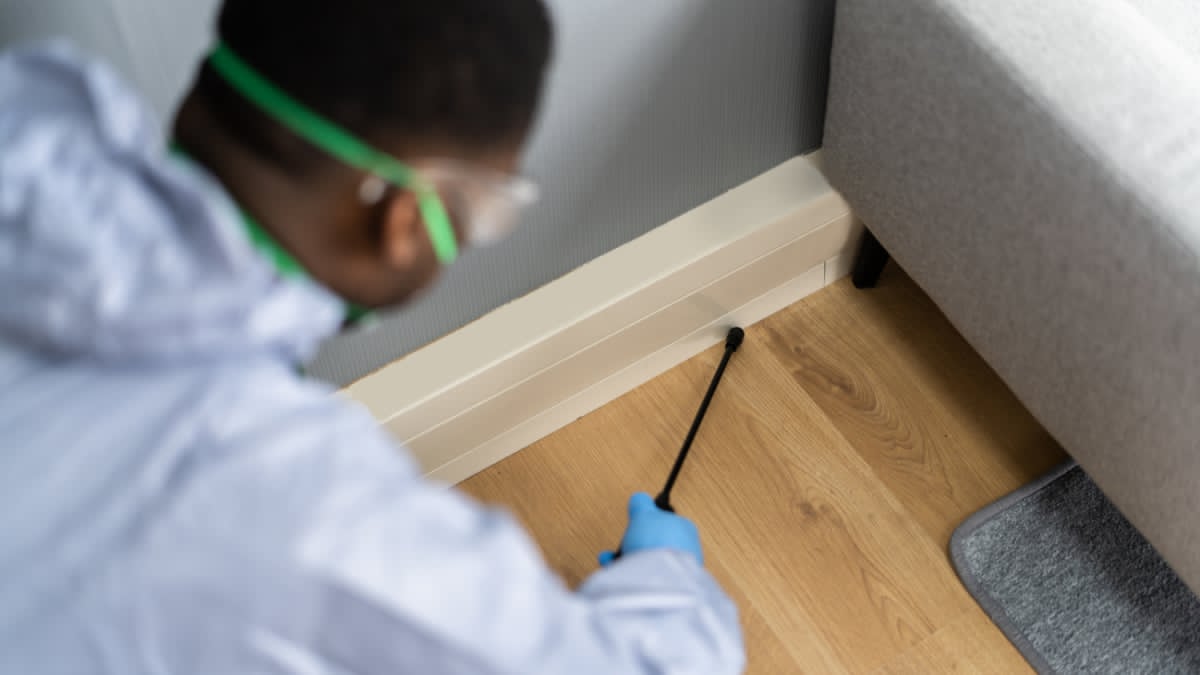
Termites are among the most destructive household pests, capable of causing significant structural damage before homeowners even realize they are present.
Because these insects often remain hidden behind walls, beneath floors, or underground, professional detection and treatment are essential for preventing costly repairs.
Orkin termite treatment is one of the well-known professional termite control services available to homeowners seeking comprehensive inspection, treatment, and ongoing protection.
Whether you’re dealing with an active infestation or looking to prevent future termite problems, understanding how professional termite treatment works can help you make informed decisions.
This guide explains what Orkin termite treatment involves, common treatment methods, the inspection process, preventive strategies, and factors that may influence treatment costs.
What Is Orkin Termite Treatment?
Orkin termite treatment refers to professional termite control services designed to detect, eliminate, and prevent termite infestations. Rather than relying on a single treatment method, pest management professionals typically customize solutions based on several factors, including:
- The termite species involved
- The severity of the infestation
- The construction of the home
- Soil conditions surrounding the property
- Environmental considerations
Professional termite control usually begins with a thorough inspection before recommending the most appropriate treatment strategy.
Why Professional Termite Treatment Matters
Termites continuously feed on wood and other cellulose-based materials. Left untreated, they can weaken structural components over time, potentially resulting in expensive repairs.
Professional treatment offers several advantages:
- Early detection of hidden colonies
- Accurate identification of termite species
- Targeted treatment plan
- Long-term monitoring
- Preventive recommendations
Because termites often remain hidden for months or years, professional inspections can identify problems before visible damage becomes extensive.
The Orkin Termite Inspection Process
A professional termite inspection is one of the most important steps in effective termite management.
Inspectors typically examine:
- Foundations
- Crawl spaces
- Basements
- Exterior walls
- Wooden structures
- Roof framing
- Garages
- Decks and porches
- Areas with moisture problems
Signs inspectors may look for include:
- Mud tubes
- Hollow-sounding wood
- Discarded wings
- Wood damage
- Frass (termite droppings for drywood termites)
- Moisture conditions that encourage termite activity
Following the inspection, homeowners usually receive recommendations tailored to their property’s needs.
Common Treatment Methods Used for Termite Control
Professional termite services may include one or more treatment approaches depending on the infestation.
Liquid Barrier Treatments
Liquid termiticides are applied to the soil around a home’s foundation to create a protective barrier. As termites move through the treated soil, they are exposed to the product, helping reduce colony activity.
Baiting Systems
Termite bait stations are strategically installed around the property. Worker termites feed on the bait and carry it back to the colony, helping reduce termite populations over time.
Bait systems are commonly used for ongoing monitoring as well as treatment.
Foam Treatments
Foam applications may be injected into wall voids or damaged wood where termites are actively feeding.
This method helps reach hidden galleries that are difficult to access.
Localized Wood Treatments
Some situations may require direct treatment of exposed wood using specialized products that help protect against future termite activity.
Types of Termites That May Require Treatment
Different termite species require different treatment strategies.
Subterranean Termites
These termites live underground and build mud tubes to reach wood structures. They are among the most common and destructive termite species.
Drywood Termites
Drywood termites infest dry wood directly without requiring contact with soil. They are often found in attics, furniture, and framing.
Dampwood Termites
Although less common in many residential settings, dampwood termites are attracted to wood with high moisture content.
Proper identification helps determine the most effective treatment approach.
Factors That Influence Treatment Recommendations
No two termite infestations are exactly alike.
Professionals often consider:
- Size of the property
- Construction type
- Accessibility
- Extent of infestation
- Soil conditions
- Landscaping
- Previous termite history
- Moisture levels
A customized plan helps address the specific needs of each property.
How Long Does Termite Treatment Take?
Treatment timelines vary depending on the chosen method.
Some localized treatments can be completed within a few hours, while larger properties or extensive infestations may require additional time.
Monitoring systems such as bait stations typically involve scheduled follow-up visits to evaluate activity and maintain protection.
Long-term prevention often includes periodic inspections to identify new termite activity before significant damage occurs.
Tips for Preventing Future Termite Infestations
Preventive maintenance plays an important role in reducing termite risk.
Homeowners can help by:
- Repairing plumbing leaks promptly
- Improving drainage around the home
- Keeping gutters clean
- Reducing wood-to-soil contact
- Storing firewood away from the house
- Removing dead tree stumps
- Sealing foundation cracks
- Maintaining proper ventilation in crawl spaces
- Scheduling regular termite inspections
These proactive measures can make a property less attractive to termites.
Factors That May Affect Orkin Termite Treatment Costs
The cost of professional termite treatment varies depending on several factors rather than a single fixed price.
Pricing may depend on:
- Property size
- Type of termite infestation
- Treatment method selected
- Severity of infestation
- Geographic location
- Accessibility of affected areas
- Ongoing monitoring services
A professional inspection is generally the best way to receive an accurate estimate based on your home’s specific conditions.
Choosing a Professional Termite Control Provider
When selecting a termite control company, homeowners should evaluate several important factors.
Consider looking for:
- Licensed pest management professionals
- Comprehensive inspections
- Clear treatment recommendations
- Detailed service agreements
- Preventive maintenance options
- Ongoing monitoring programs
- Transparent pricing
- Strong customer support
Asking questions about treatment methods, warranties, and follow-up services can help ensure you understand what is included before beginning treatment.
Final Thoughts
Orkin termite treatment is designed to provide homeowners with professional solutions for detecting, treating, and helping prevent termite infestations. Because termite problems often remain hidden until damage becomes noticeable, routine inspections and customized treatment plans are valuable components of long-term home protection.
Professional termite management combines thorough inspections, targeted treatment methods, ongoing monitoring, and preventive recommendations to reduce the risk of future infestations.
By understanding the available treatment options and maintaining preventative practices around your property, homeowners can make informed decisions to help safeguard their investment for years to come.
Leave a Reply