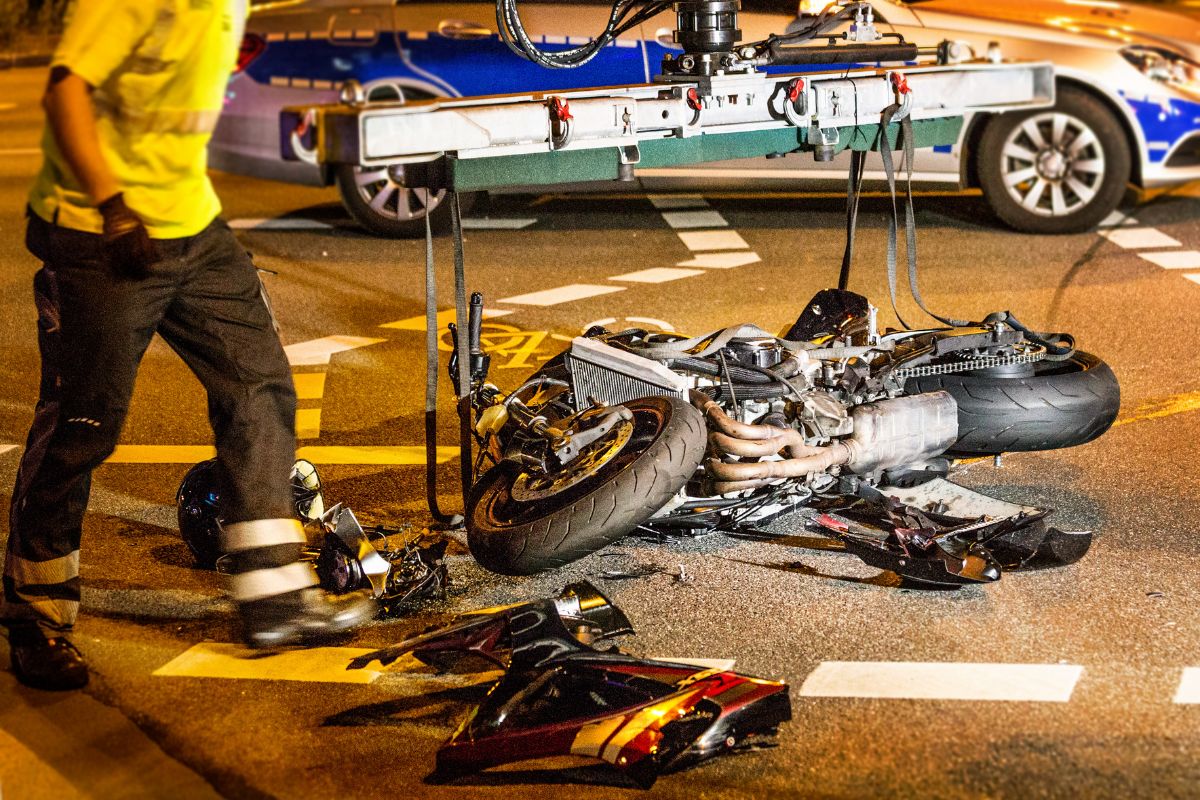
Riding a motorcycle in California offers freedom and excitement—but it also comes with serious legal responsibilities. With over 500 motorcyclist fatalities annually, it’s essential to know the laws that affect your safety and rights. This 2025 guide breaks down everything from license requirements and safety gear to lane-splitting rules, insurance minimums, and what to do if you’re in an accident.
California Motorcycle License Requirements and Training
The California Department of Motor Vehicles establishes two distinct motorcycle license classifications: M1 and M2. The M1 license permits the operation of all motorcycles, motor-driven cycles, and scooters, while the M2 license restricts riders to motorized bicycles and mopeds under 49cc.
Riders under 21 must complete a California Motorcyclist Safety Program (CMSP) before obtaining their license. This mandatory training includes both classroom instruction and hands-on riding practice. The course typically spans 15 hours and covers essential safety techniques, traffic laws, and defensive riding strategies.
The testing process involves both written and practical examinations. Applicants must score at least 80% on the written test covering traffic laws and motorcycle operations. The practical test evaluates basic control skills, including proper turning, braking, and obstacle avoidance.
Required documentation includes proof of identity, California residency, and completion of the CMSP course for applicable riders. Current fees include $35 for the motorcycle license application and additional costs for the safety course.
Essential Safety Equipment Laws in California

California law mandates DOT-approved helmets for all motorcycle operators and passengers. The helmet must meet Federal Motor Vehicle Safety Standard (FMVSS) 218, featuring proper labeling and safety certification. Riders must ensure their helmets maintain good condition without significant damage or wear.
Motorcycles must conform to specific equipment standards. Handlebars cannot extend more than 6 inches above shoulder height when seated. Working turn signals, headlights, and brake lights are mandatory, with headlights required to be on during all riding conditions.
Passenger accommodation requirements specify that motorcycles must have permanent seats and footrests for both rider and passenger. The seat must be securely fastened and designed to safely support two people if carrying a passenger.
Lane Splitting: Understanding California’s Unique Law
California remains the only state explicitly permitting lane splitting, with the California Highway Patrol providing specific safety guidelines. These guidelines recommend lane splitting only when traffic moves under 40 mph and limiting speed differential to no more than 10 mph above surrounding traffic.
Safety recommendations emphasize increased visibility and awareness during lane splitting. Riders should avoid splitting between large vehicles, maintain escape routes, and be prepared for sudden vehicle movements. The CHP advises against lane splitting during challenging weather conditions or limited visibility.
Liability considerations become crucial during lane-splitting incidents. While legal, riders must demonstrate reasonable care and adherence to safety guidelines. Excessive speed or unsafe maneuvering during lane splitting can affect liability determinations in accident cases.
Insurance Requirements and Coverage Minimums
California mandates minimum liability insurance coverage for motorcyclists: $15,000 for injury or death to one person, $30,000 for multiple people, and $5,000 for property damage. These minimums represent basic requirements, though higher coverage levels often provide better protection.
Operating a motorcycle without proper insurance carries severe penalties, including fines, license suspension, and potential vehicle impoundment. Additionally, uninsured riders face personal financial liability for accidents.
The insurance claim process begins immediately after an accident. Riders should document all damages, collect witness information, and report the incident to their insurance provider promptly. Many insurers offer mobile apps or 24-hour claim services to facilitate this process.
Filing a Motorcycle Accident Claim in California

The two-year statute of limitations for personal injury claims starts from the accident date. This deadline applies to all motorcycle accident-related injury claims, making timely action crucial for preserving legal rights.
California’s pure comparative fault rule affects compensation amounts based on assigned fault percentages. For example, if a rider is found 30% at fault, their compensation is reduced by that percentage. Documentation supporting fault determination becomes critical in these cases.
Required documentation includes police reports, medical records, repair estimates, and evidence of lost wages. Photographs of the accident scene, vehicle damage, and injuries provide valuable support for claims.
When to Hire a Motorcycle Accident Lawyer (and What They Can Do for You)
After a motorcycle accident, legal support can make the difference between getting fair compensation and walking away with bills you shouldn’t be paying. That’s where dedicated motorcycle accident lawyers—like those at MotorCollisionSuits.com—come in.
A qualified attorney can help you:
- Assess Liability and Build a Strong Case: Even if lane splitting or road conditions played a role, attorneys can gather evidence (dashcam footage, medical records, expert analysis) to reduce your share of fault under California’s comparative negligence law.
- Handle Insurance Companies: Insurance adjusters often downplay motorcycle injuries or shift blame. Legal representation ensures negotiations stay fair and that all medical expenses, property damage, and lost income are factored into your settlement.
- Maximize Your Compensation: Beyond economic damages, an experienced lawyer can also push for compensation for pain and suffering, emotional trauma, and diminished quality of life.
- Meet Legal Deadlines: With California’s strict two-year statute of limitations, attorneys help keep your case on track, avoiding dismissal due to late filings.
Motorcycle accident attorneys offer free consultations and often work on a contingency basis, meaning you don’t pay unless they win your case. If you’re unsure about whether to pursue a claim, talking to a lawyer can provide clarity—and peace of mind.
Legal Rights and Compensation After an Accident
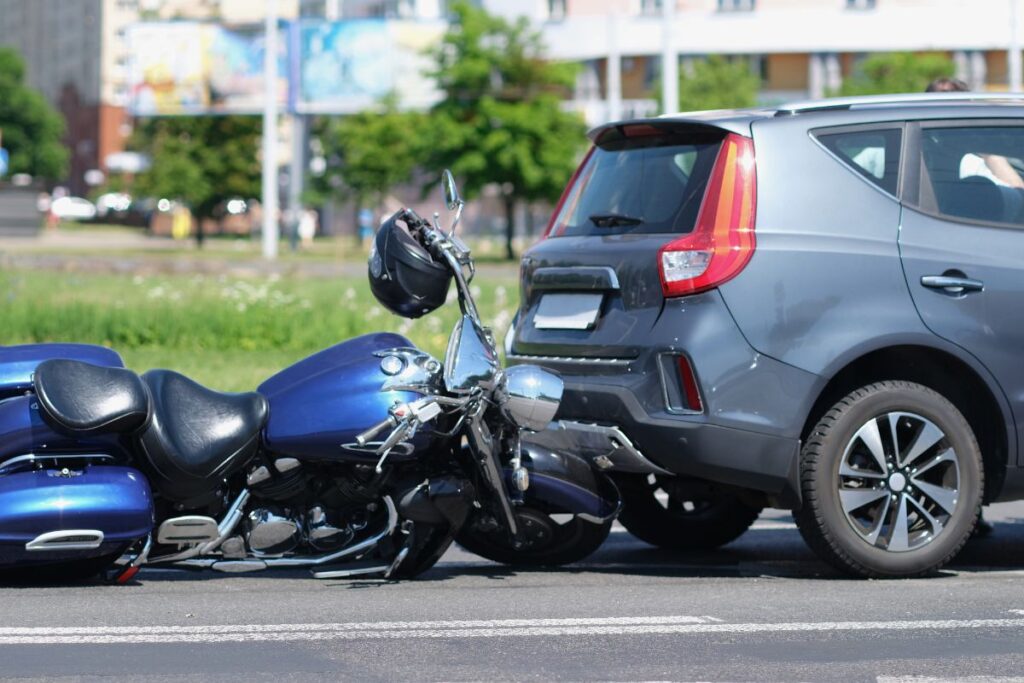
Compensation categories include economic and non-economic damages. Economic damages cover medical expenses, property damage, lost wages, and future earning capacity. Non-economic damages encompass pain and suffering, emotional distress, and reduced quality of life.
Medical expense coverage extends to all reasonable and necessary treatment costs, including emergency care, rehabilitation, and ongoing therapy. Future medical needs must be documented through expert testimony and medical projections.
Lost wage claims require verification through employment records and medical documentation supporting work absence. Future earnings claims consider career trajectory, inflation, and potential promotions affected by permanent injuries.
Taking Action: Protecting Your Rights on California Roads
Whether you’re a seasoned rider or just getting started, staying informed about California’s motorcycle laws is key to protecting yourself and others on the road. From understanding helmet laws and insurance coverage to knowing your rights after an accident, this guide equips you with the knowledge to ride confidently and legally. When in doubt—especially after a crash—consulting a qualified attorney can help ensure your rights are fully protected.
Leave a Reply