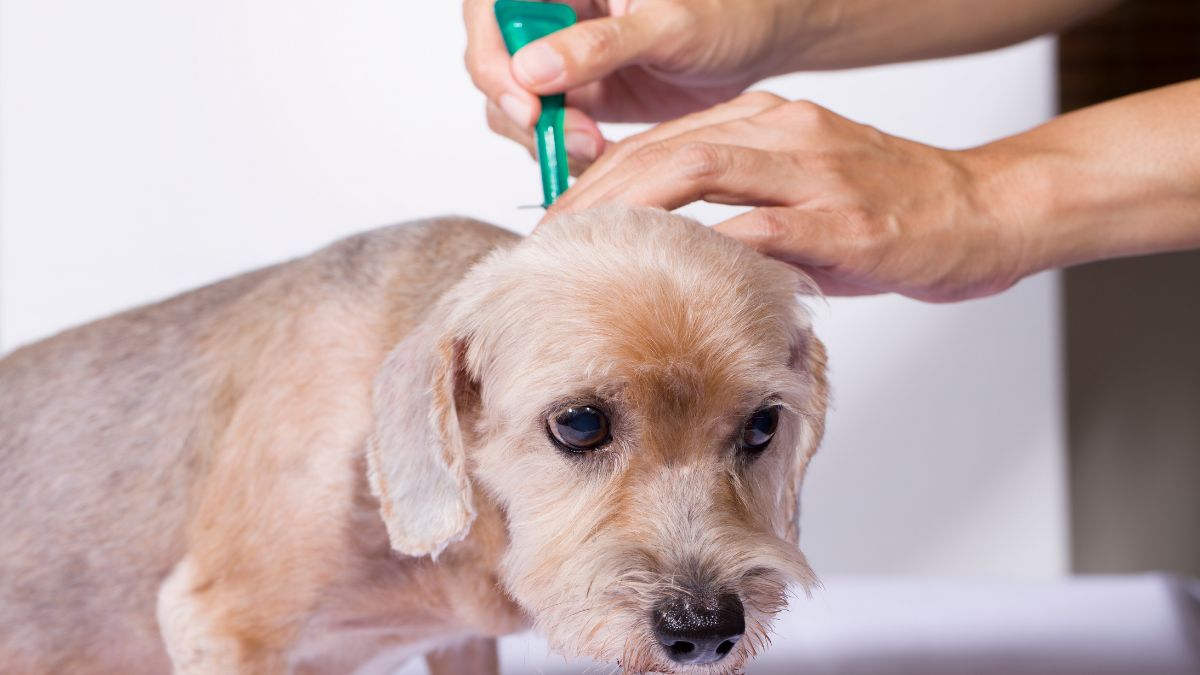
Flea and tick prevention is an important part of keeping dogs and cats comfortable and supporting their overall health. These tiny parasites can cause itching and skin irritation, and some may transmit diseases or other parasites to pets.
Because fleas and ticks can be difficult to notice at first, prevention is often easier than dealing with an established infestation.
What Is Flea and Tick Prevention?
Flea and tick prevention refers to the steps pet owners take to reduce the risk of fleas and ticks living on or biting their pets.
Prevention can involve several approaches, including:
- Topical flea and tick treatments
- Oral preventive medications
- Flea and tick collars
- Regular grooming and coat inspections
- Washing pet bedding
- Vacuuming areas where pets spend time
- Maintaining yards and outdoor spaces
The appropriate approach can depend on your pet’s species, age, weight, health, lifestyle, and local parasite risks.
Why Is Flea and Tick Prevention Important?
Fleas and ticks are more than an inconvenience. Flea bites may cause significant itching, and pets that are sensitive to flea saliva can develop flea allergy dermatitis.
Heavy flea infestations may also contribute to anemia, particularly in young or vulnerable animals. Fleas can transmit tapeworms when an infected flea is swallowed during grooming.
Ticks may carry disease-causing organisms. Depending on geographic location, tick exposure can potentially be associated with illnesses such as Lyme disease, ehrlichiosis, anaplasmosis, and Rocky Mountain spotted fever.
Consistent flea and tick control may help reduce these risks.
How Do Pets Get Fleas and Ticks?
Pets can encounter parasites in surprisingly ordinary places. Dogs may pick up ticks while walking through grass, wooded areas, parks, or hiking trails. Fleas can spread through environments where infested animals have been present.
Indoor pets aren’t necessarily completely protected either. Fleas may enter homes on pets, people, clothing, or other animals.
This makes regular parasite checks worthwhile even when your pet spends most of its time indoors.
Common Flea and Tick Prevention Options
Different preventive products work in different ways. Before choosing one, consider discussing your pet’s individual needs with a veterinarian.
| Prevention Method | How It Is Typically Used | Key Consideration |
|---|---|---|
| Topical treatments | Applied directly to the skin | Application instructions vary |
| Oral treatments | Given by mouth | Some require a prescription |
| Flea and tick collars | Worn around the neck | Protection duration varies |
| Shampoos | Used during bathing | May offer shorter-term control |
| Sprays | Applied according to label directions | Coverage and duration vary |
| Home treatments | Used in the pet’s environment | Useful when managing infestations |
Never assume a product designed for dogs is safe for cats. Certain ingredients used in dog flea and tick products, including some formulations containing permethrin, can be dangerous to cats.
How Often Should You Use Flea and Tick Prevention?
The schedule depends on the specific product. Some preventive treatments are designed for monthly use, while others may provide protection for longer periods.
Follow the product label and your veterinarian’s instructions carefully. Using too little, applying a treatment incorrectly, or missing scheduled doses may reduce effectiveness.
Keeping a simple calendar reminder can make consistent pet parasite prevention easier.
Should Pets Have Flea and Tick Protection All Year?
In many situations, year-round prevention may be recommended because parasite activity varies according to climate and environment.
Fleas can survive indoors, where temperatures remain relatively stable. Tick activity can also continue during periods of unexpectedly mild weather.
How to Check Your Pet for Fleas
Regular inspections can help you spot potential problems earlier.
Look closely around your pet’s:
- Neck
- Ears
- Belly
- Tail base
- Groin
- Armpits
A flea comb can help reveal adult fleas or flea dirt. Flea dirt often looks like small dark specks within the coat.
Frequent scratching, licking, biting, hair loss, or irritated skin may also indicate a problem, although these symptoms can have other causes.
How to Check Your Pet for Ticks
Run your fingers slowly over your pet’s body and feel for unusual bumps, especially after outdoor activities.
Pay particular attention to areas around the ears, neck, eyelids, between the toes, under the collar, and around the legs.
If you discover an attached tick, remove it carefully using appropriate tick-removal techniques or ask your veterinarian for assistance. Avoid crushing the tick directly with your fingers.
Keep Your Home Clean to Reduce Flea Problems
Treating your pet may be only part of controlling a flea infestation because flea eggs, larvae, and pupae can be present throughout the home.
Regularly:
- Vacuum carpets, rugs, furniture, and cracks along flooring.
- Wash pet bedding according to its care instructions.
- Clean areas where your pet frequently sleeps.
- Empty or dispose of vacuum contents appropriately.
- Follow veterinarian or pest-control guidance for significant infestations.
It may take time to interrupt the flea life cycle, so consistent cleaning can be important.
Make Your Yard Less Attractive to Parasites
Outdoor maintenance can complement your pet’s prevention routine.
Keeping grass trimmed, removing leaf litter, clearing excessive brush, and limiting areas that attract wildlife may help make the yard less favorable for some ticks and fleas.
After walks through wooded or grassy locations, inspect yourself and your pet for ticks before settling back indoors.
Flea and Tick Prevention for Puppies and Kittens
Young pets require extra care because not every preventive product is suitable for every age or weight.
Before using flea treatment for dogs, tick prevention for dogs, or flea prevention for cats on a puppy or kitten, check the minimum age and weight requirements listed on the product.
A veterinarian can recommend an appropriate option based on your young pet’s needs.
Can You Combine Different Flea and Tick Products?
Avoid combining preventive products unless a veterinarian specifically recommends doing so.
Using multiple treatments containing similar active ingredients may increase the risk of side effects. More treatment does not necessarily provide better protection.
Always check active ingredients and follow veterinary and manufacturer directions.
What Should You Consider When Choosing Flea and Tick Protection?
The best option isn’t necessarily the same for every pet. Consider:
- Your pet’s species
- Age and body weight
- Existing health conditions
- Indoor and outdoor lifestyle
- Swimming and bathing frequency
- Local flea and tick activity
- Other animals in the household
- Ease of administration
- Duration of protection
If your household includes both dogs and cats, make sure every product is used only on the species listed on its label.
When Should You Contact a Veterinarian?
Speak with a veterinarian if your pet develops persistent scratching, significant skin irritation, weakness, pale gums, unusual behavior, loss of appetite, or other concerning symptoms.
Veterinary guidance is also appropriate if you find numerous ticks, are struggling with a persistent flea infestation, or are uncertain which preventive product is suitable.
If your pet has an unexpected reaction after receiving a flea or tick product, contact a veterinarian promptly.
Building a Practical Flea and Tick Prevention Routine
Effective flea and tick prevention usually involves consistency rather than relying on a single step. Check your pet regularly, keep sleeping areas clean, maintain outdoor spaces, and use appropriate preventive treatments as directed.
Your veterinarian can help you choose a prevention strategy suited to your pet’s age, weight, health, lifestyle, and local parasite exposure.
Leave a Reply