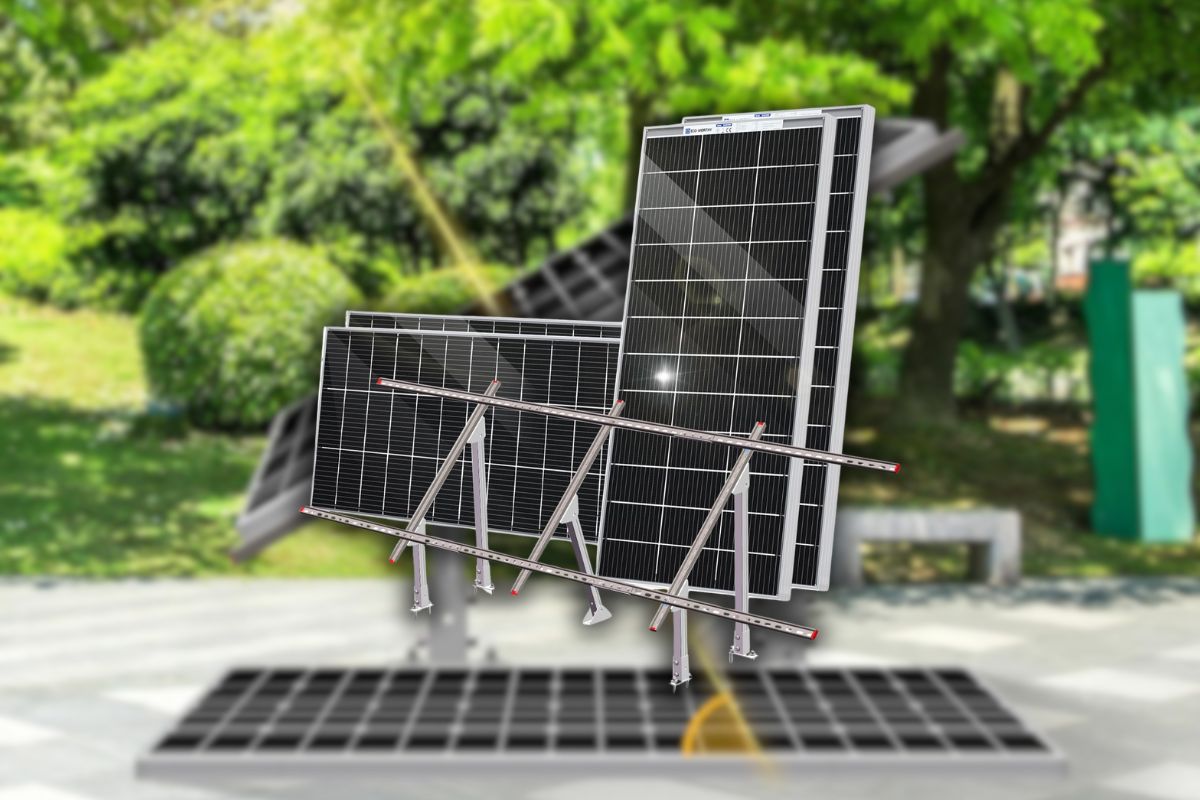
The ECO-WORTHY 800W 3.12KWH Solar Panel Kit strikes a commendable balance between quality, performance, and affordability. Its bifacial panel technology, durable build, and adjustable mounting system offer real advantages, especially for those pursuing energy independence or eco-conscious living. While minor drawbacks like basic installation instructions exist, the system’s reliable output and long-term savings make it a smart investment for cabins, RVs, emergency setups, and small-scale agricultural use. For anyone seeking a dependable off-grid solar solution under $1,000, this kit is well worth considering.
Technical Specifications and Package Contents
The ECO-WORTHY 800W 3.12KWH Solar Panel Kit delivers impressive technical specifications that position it as a comprehensive solution for off-grid power generation. The system consists of four 195W bifacial monocrystalline solar panels, collectively providing 800W of power capacity. Each panel measures 52.6 x 26.4 x 1.4 inches, with an individual weight of 20.48 lbs, bringing the total kit weight to 139.7 lbs.
The adjustable mounting brackets represent a significant engineering advantage, offering 30°-60° tilt capability that maximizes solar exposure across seasons and geographical locations. Protection against environmental elements comes via IP67-rated tempered glass, ensuring reliable operation even during adverse weather conditions. The corrosion-resistant aluminum frame construction provides structural integrity while minimizing weight.
The kit includes galvanized steel mounting hardware, designed specifically for durability in outdoor settings. Under optimal sunlight conditions, users can expect approximately 3.12KWh of daily power generation—sufficient to power essential appliances and devices in an off-grid setting.
Design and Build Quality Assessment
The durability of the ECO-WORTHY kit stems from its thoughtfully engineered aluminum frame construction. This design choice effectively resists common environmental stressors including UV degradation, moisture infiltration, and wind stress. The IP67 rating confirms the panels’ ability to withstand temporary water immersion, a critical factor for installations in regions with unpredictable precipitation patterns.
A standout technical feature is the bifacial panel technology, which captures reflected light from surrounding surfaces, enhancing energy conversion efficiency by up to 10-15% compared to traditional single-sided panels. The galvanized steel mounting system provides exceptional structural stability, capable of withstanding wind speeds up to 140 mph when properly installed.
The tempered glass surface offers superior protection against environmental hazards, including moderate hail and airborne debris. When compared to competing models in the same price range, the ECO-WORTHY kit demonstrates superior material quality and structural reinforcement at connection points—areas where lower-quality systems typically fail first.
From an aesthetic perspective, the sleek, low-profile design presents a less obtrusive visual footprint than many competing systems, making it suitable for residential installations where appearance considerations matter.
Installation Process and Mounting Options
The installation process follows a logical sequence that most DIY enthusiasts can complete without professional assistance. Basic tools required include a socket wrench set, screwdrivers, measuring tape, and level. Proper site preparation involves clearing the installation area of obstacles and ensuring adequate structural support.
Ground mounting offers advantages in accessibility and maintenance simplicity, while roof mounting maximizes available space and potentially improves solar exposure. Regardless of mounting location, positioning the array to face true south (in the Northern Hemisphere) with minimal shading is essential for optimal performance. The adjustable brackets allow for seasonal angle adjustments to maximize energy capture.
Wiring connections utilize industry-standard MC4 connectors, facilitating straightforward integration with inverters, charge controllers, and battery systems. Most users report completion times between 3-5 hours for ground-mounted installations, with roof mounting typically requiring 1-2 additional hours.
Common installation challenges include achieving precise alignment between multiple panels and securing adequate ballast for ground-mounted systems. Safety precautions during installation must include proper lifting techniques (two-person lifting recommended per panel), fall protection for elevated work, and adherence to electrical safety protocols when making connections.
Performance Analysis and Power Generation
Real-world performance metrics demonstrate the system’s capability to deliver approximately 80-90% of its rated capacity under optimal conditions. Summer production typically exceeds rated capacity during peak sunlight hours, while winter generation may drop to 50-60% of rated output depending on geographical location and weather patterns.
The bifacial technology proves particularly valuable during low-light periods, capturing diffused and reflected light that traditional panels would miss. Performance testing in cloudy conditions shows the panels maintaining approximately 30-40% productivity compared to clear-day output—superior to many comparably priced systems.
Temperature effects warrant consideration, as panel efficiency decreases approximately 0.4% for every degree Celsius above standard test conditions (25°C). This translates to roughly 10-15% reduced output during extremely hot summer days.
Long-term power degradation follows industry standards, with an expected 0.5-0.7% annual reduction in maximum output. The system demonstrates compatibility with major battery storage technologies, including lithium-ion, AGM, and flooded lead-acid systems.
For energy independence assessment, the 3.12kWh daily generation capacity can support basic electrical needs for a small cabin or serve as a significant supplemental source for larger residential applications.
Ideal Applications and Use Cases
The ECO-WORTHY kit excels in off-grid cabins and remote properties, where connecting to utility power would be prohibitively expensive. The 800W capacity provides sufficient power for lighting, communication devices, small appliances, and entertainment systems in such settings.
RV and mobile home applications benefit from the kit’s modular design, allowing for selective deployment based on available space. Agricultural implementations include powering electric fencing, automated irrigation systems, and monitoring equipment—reducing operational costs for farmers and ranchers.
As an emergency backup power system, the kit offers critical resilience during grid outages, especially when paired with appropriate battery storage. Workshop and garage installations provide independent power for tools and equipment, eliminating the need for extension cords and reducing utility costs.
Small businesses in remote locations gain operational reliability, particularly for point-of-sale systems, communication equipment, and basic lighting. Garden and outdoor applications extend to powering security lighting, water features, and automated watering systems.
The system demonstrates particular efficiency for water pumping applications, capable of operating submersible pumps up to 1/2 horsepower for well systems and irrigation.
Cost Analysis and Return on Investment
The initial investment of $699.99 represents a competitive entry point for an 800W complete solar system. This translates to approximately $0.87 per watt—significantly below the industry average of $1.25-1.75 per watt for comparable kit-based systems.
Long-term savings calculations show substantial advantages compared to grid electricity. At average residential electricity rates of $0.15/kWh, the system generates approximately $170 worth of electricity annually (based on 3.12kWh daily generation). This projects a straightforward payback period of 4-5 years, not accounting for potential increases in utility rates.
Maintenance costs remain minimal, primarily involving occasional panel cleaning and connection inspection. The absence of moving parts contributes to operational longevity and reduced maintenance requirements.
Current federal tax incentives can reduce the effective system cost by 26% through 2032, potentially accelerating the payback period to 3-4 years. State and local incentives, where available, further improve the financial proposition.
Compared to similar solar kits, the ECO-WORTHY system offers above-average component quality while maintaining competitive pricing. The manufacturer provides a 12-month warranty on components and a 25-year performance warranty on the panels—standard terms that reflect confidence in system durability.
User Experiences and Customer Feedback
Analysis of the 3.9/5 star rating on Amazon reveals consistent patterns in customer satisfaction and concerns. Among the nine reviews, the majority of positive feedback centers on installation simplicity, sturdy construction, and power output meeting expectations.
Common praise points include the comprehensive nature of the kit, with users appreciating that all necessary mounting hardware comes included. Several reviewers specifically mention the quality of the mounting system as exceeding expectations for the price point.
Recurring concerns primarily involve shipping issues, with some customers reporting damaged packaging, though the panels themselves typically arrived intact. Some users note that the installation instructions could be more detailed, particularly regarding electrical connections.
Long-term reliability reports from users who have had the system installed for over six months indicate consistent performance without significant degradation or component failures. Customer service experiences generally receive positive mentions, with responsive communication and reasonable resolution of issues.
DIY installation success rates appear high, with even self-described “non-technical” users reporting successful completion with basic tools. Geographic performance satisfaction shows expected variations, with southwestern U.S. users reporting the highest satisfaction with power generation, while northeastern users note more significant seasonal fluctuations.
An unexpected benefit frequently mentioned is the psychological value of energy independence and reduced utility bills, with several users expressing satisfaction beyond the purely financial return on investment.
The Verdict: Is This Solar Kit Worth Your Investment?
The ECO-WORTHY 800W 3.12KWH Solar Panel Kit strikes a commendable balance between quality, performance, and affordability. Its bifacial panel technology, durable build, and adjustable mounting system offer real advantages, especially for those pursuing energy independence or eco-conscious living. While minor drawbacks like basic installation instructions exist, the system’s reliable output and long-term savings make it a smart investment for cabins, RVs, emergency setups, and small-scale agricultural use. For anyone seeking a dependable off-grid solar solution under $1,000, this kit is well worth considering.
Leave a Reply