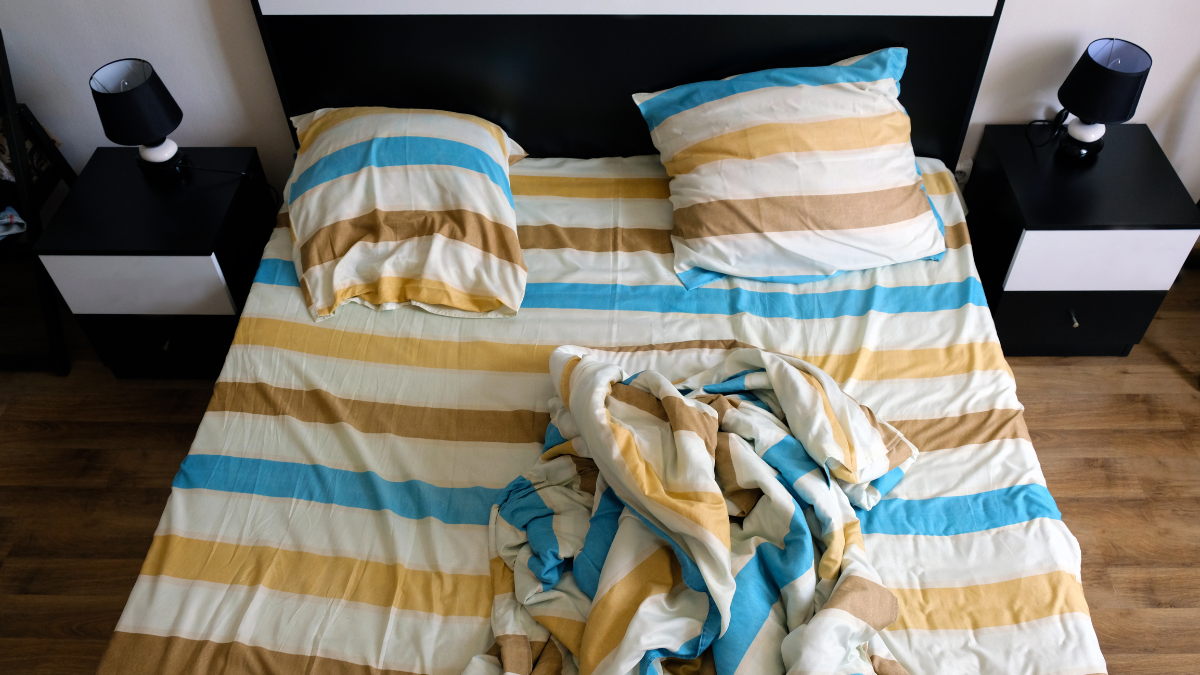
Choosing Duvet Covers and Sheets can affect how your bed feels, how warm you sleep, and how much time you spend caring for your bedding.
Fabric, weave, sizing, durability, and cleaning requirements can vary significantly between products.
Instead of buying based only on color or appearance, it helps to compare material type, thread construction, temperature regulation, closure design, and overall value.
Some sleepers prefer crisp cotton, while others like smooth sateen or relaxed linen.
How to Choose Duvet Covers and Sheets
When comparing Duvet Covers and Sheets, start with fabric and weave. These two factors have a major effect on softness, airflow, durability, and maintenance.
You should also check mattress depth and duvet dimensions before ordering. Bedding labeled queen or king can still have slightly different measurements depending on the manufacturer.
A practical buying checklist includes:
- Fabric type
- Weave construction
- Mattress depth compatibility
- Duvet dimensions
- Closure design
- Corner ties
- Washing instructions
- Drying requirements
- Return policy
- Price per set
These details help you compare products based on daily use rather than appearance alone.
Which Bedding Material Is Best?
No single fabric suits every sleeper. Your preferred sleeping temperature, texture, maintenance routine, and budget should guide your decision.
| Material | Feel | Temperature | Maintenance | Best For |
|---|---|---|---|---|
| Cotton | Soft and familiar | Balanced | Easy | Everyday use |
| Percale cotton | Crisp and airy | Cool | Easy | Hot sleepers |
| Sateen cotton | Smooth and silky | Slightly warm | Easy | Softness seekers |
| Linen | Textured and airy | Cool to balanced | Moderate | Warm climates |
| Microfiber | Smooth | Warm | Easy | Budget-focused buyers |
Natural fibers are often preferred by shoppers focused on airflow and moisture management. Synthetic fabrics can cost less and may resist wrinkles better.
Cotton Duvet Covers for Everyday Use
Cotton duvet covers remain a popular choice because cotton is easy to wash, comfortable against the skin, and available in several weave types.
Look at the type of cotton rather than relying only on thread count. Fiber quality, yarn construction, and weave can affect durability and feel.
Common cotton duvet cover features include:
- Button or zipper closures
- Interior corner ties
- Machine-washable construction
- Multiple color choices
- Coordinating sheet sets
Corner ties can be especially useful because they help keep your duvet insert from shifting inside the cover.
Percale Sheets for Cooler Sleep
Percale sheets use a plain weave that typically produces a crisp, lightweight feel. They are often suitable for sleepers who tend to feel warm during the night.
Percale usually feels less silky than sateen. Instead, the fabric has a matte finish and hotel-style crispness.
You may prefer percale if you:
- Sleep warm
- Prefer crisp fabric
- Live in a warm climate
- Want lightweight bedding
- Like bedding that feels fresh rather than silky
Percale can wrinkle after washing, though many buyers accept that tradeoff for its airflow and lightweight feel.
Sateen Sheets for a Smoother Feel
Sateen sheets have a different weave structure that creates a smoother surface with a subtle sheen.
They typically feel softer and slightly warmer than percale. This makes them suitable for people who enjoy smooth bedding or tend to feel cool at night.
Sateen may work well if you prefer:
- A silky texture
- A softer drape
- Less visible wrinkling
- Slightly warmer bedding
- A polished bedroom appearance
Keep in mind that sateen fabric can sometimes be less airy than percale.
Linen Bedding for Temperature Regulation
Linen bedding is made from flax fibers and is known for airflow and moisture management.
The fabric usually has a textured appearance and becomes softer through repeated washing.
Linen can work well in warm environments because air passes easily through the fabric.
It can also suit buyers who prefer relaxed-looking bedding without needing a perfectly pressed finish.
One drawback is price. Linen bedding commonly costs above basic cotton or microfiber sets due to fiber production and manufacturing requirements.
Breathable Bed Sheets for Hot Sleepers
If you regularly wake up feeling warm, breathable bed sheets can make your sleep setup feel less stuffy.
Look for lightweight natural fabrics with good airflow. Percale cotton and linen are common choices for warm sleepers.
You may also want to avoid extremely dense fabrics if cooling is your main priority.
Other factors that affect sleeping temperature include:
- Mattress material
- Mattress protector
- Duvet insert weight
- Room temperature
- Sleepwear fabric
Are Luxury Bedding Sets Worth the Price?
Luxury bedding sets usually cost above entry-level bedding because they may use premium fibers, detailed finishing, stronger construction, or specialized manufacturing.
Higher pricing does not automatically mean better comfort for every sleeper.
Before paying extra, check:
| Feature | What to Check |
|---|---|
| Fiber | Cotton type, linen quality, or other material |
| Construction | Stitching and seam quality |
| Weave | Percale, sateen, or another structure |
| Duvet ties | Number and placement |
| Closure | Buttons, snaps, or zipper |
| Care | Washing and drying requirements |
| Warranty | Manufacturer coverage |
| Returns | Trial or return conditions |
Focus on features you will actually notice during everyday use.
Thread Count: Does a Higher Number Mean Better Sheets?
Not necessarily.
Thread count refers to the number of horizontal and vertical threads within a square inch of fabric. It can provide useful information, though it should not be your only buying factor.
Very high advertised thread counts can sometimes involve multi-ply yarns rather than exceptionally fine fabric.
Fiber quality and weave often tell you far more about how sheets will feel.
A well-made lower-thread-count percale sheet can feel better than a poorly constructed sheet advertising a very high count.
How Much Should You Spend?
Prices vary based on size, material, brand, construction, and included pieces.
Typical market pricing may fall into broad categories such as:
| Bedding Type | Common Price Range |
|---|---|
| Basic sheet set | $30–$80 |
| Mid-range cotton sheet set | $80–$180 |
| Premium cotton sheet set | $150–$300+ |
| Basic duvet cover | $40–$100 |
| Premium duvet cover | $100–$250+ |
| Linen sheet or duvet set | $150–$400+ |
These figures are general shopping ranges rather than fixed prices. Sales, sizes, fabric quality, and included pieces can change final pricing.
How Should You Match a Duvet Cover With Sheets?
Your duvet cover and sheets do not need to come from the same collection.
You can match bedding based on:
- Fabric
- Texture
- Color family
- Sleeping temperature
- Care requirements
For example, you could pair a cotton duvet cover with crisp percale sheets if you prefer cooler bedding.
For easier laundry care, choosing fabrics with similar washing and drying instructions can simplify your routine.
Should You Buy a Bedding Bundle?
Bundles can be practical when you need several pieces at once.
A typical bedding bundle may include:
- Fitted sheet
- Flat sheet
- Pillowcases
- Duvet cover
- Extra pillowcases or shams
Before buying a bundle, calculate the individual product prices. A package is only useful if you actually need most of the included pieces.
You should also verify that every component comes in the correct size.
What Features Make a Duvet Cover Easier to Use?
Small design details can affect how easy your duvet cover is to manage.
Interior Ties
Interior ties attach to loops on a compatible duvet insert and help reduce bunching.
Zipper Closures
Zippers provide fast access and can create a clean finish.
Button Closures
Buttons are common and easy to replace if one comes loose.
Labelled Corners
Some manufacturers label the long and short sides, which can make fitting the cover easier.
These features can save time during regular bedding changes.
How Often Should Bedding Be Washed?
Sheets are commonly washed about once each week, depending on personal habits, climate, pets, and sleeping conditions.
Duvet covers may be washed every few weeks if a top sheet is used, though washing frequency can vary.
Always follow the manufacturer’s care label because hot water or high drying temperatures can cause shrinkage in some natural fabrics.
Helpful care practices include:
- Wash similar fabrics together.
- Avoid overloading the washer.
- Use the recommended water temperature.
- Dry according to the care label.
- Remove bedding promptly to reduce wrinkles.
- Avoid excessive detergent.
Good care can help preserve fabric texture and stitching.
How Do You Choose the Correct Size?
Check actual measurements rather than relying only on labels such as full, queen, or king.
Mattress height matters too.
A deep mattress may require fitted sheets designed for extra depth. Measure from the bottom edge of the mattress to the highest point, including any mattress topper.
For duvet covers, compare the cover dimensions with your duvet insert measurements.
A small difference can affect how evenly the insert sits inside the cover.
Final Bedding Buying Checklist
Before purchasing, check:
- Exact mattress dimensions.
- Mattress depth.
- Duvet insert dimensions.
- Fabric composition.
- Weave type.
- Washing instructions.
- Drying instructions.
- Interior duvet ties.
- Closure type.
- Included bedding pieces.
- Return conditions.
- Warranty information.
- Price per item.
- Customer feedback about shrinkage and durability.
Checking these points can reduce the chance of buying bedding that fits poorly or requires care that does not suit your routine.
Frequently Asked Questions
What fabric is best for hot sleepers?
Percale cotton and linen are commonly chosen by warm sleepers because both allow good airflow. Room temperature, mattress materials, and duvet weight can affect heat retention as well.
Is percale better than sateen?
Neither is universally better. Percale generally feels crisp and cool, while sateen feels smooth and slightly warmer. Your preferred texture and sleeping temperature should guide the choice.
Do duvet covers need corner ties?
Corner ties are not required, though they can help keep a duvet insert positioned inside its cover.
Should your duvet cover be larger than your insert?
The measurements should usually be fairly close. Check the manufacturer’s size chart because dimensions can vary between brands.
Are expensive sheets always better?
No. Price can reflect materials, manufacturing, branding, and finishing details. Fabric quality, construction, comfort, and care requirements provide a better basis for comparison.
How many sheet sets should you own?
Two sets per bed can be practical for many households because one set can be used while the other is being washed.
Finding Bedding That Fits Your Sleep Style
Choosing bedding becomes easier when you focus on fabric, weave, fit, temperature, maintenance, and price.
Start by deciding how you want your bedding to feel. Crisp percale, smooth sateen, classic cotton, and textured linen each create a different sleep experience.
Check measurements carefully, review washing instructions, and compare the features included at each price point.
Leave a Reply