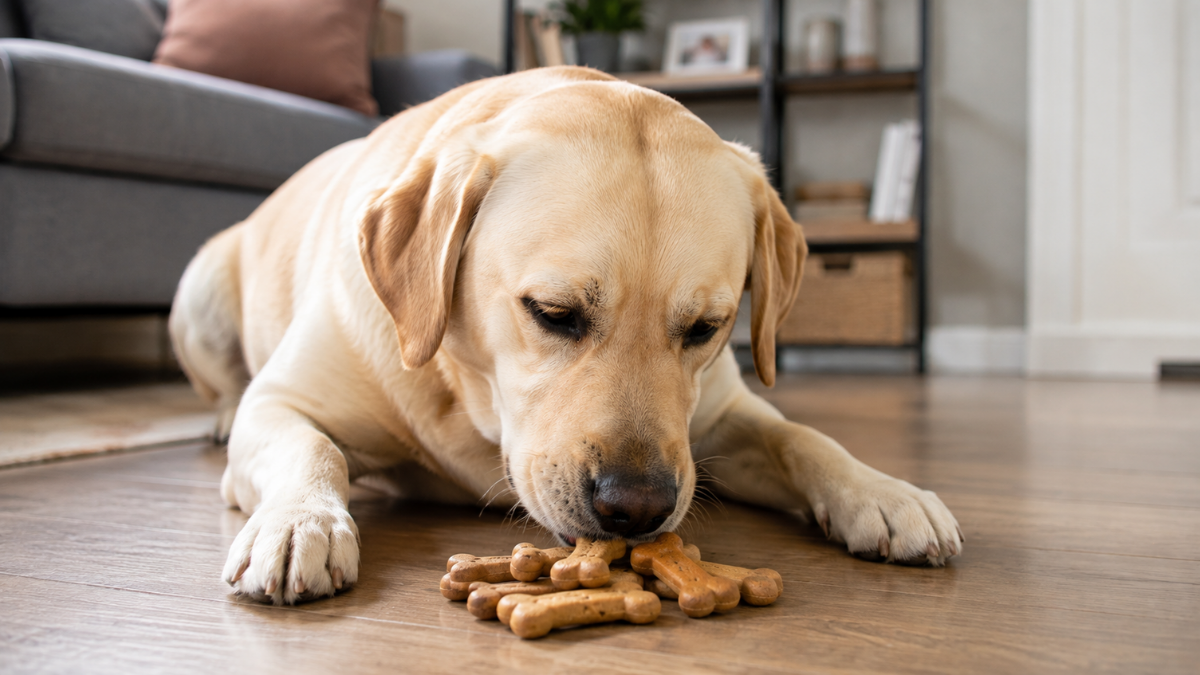
Dog treats can make training easier, add variety to your dog’s routine, and provide a simple way to reward positive behavior. From crunchy biscuits and soft training bites to dental chews and limited-ingredient snacks, there are plenty of options available for different dogs.
The challenge is choosing treats that fit your dog’s age, size, dietary needs, and everyday routine.
What Are Dog Treats?
Dog treats are foods or chews generally given outside a dog’s regular meals. They may be used as rewards during training, occasional snacks, enrichment activities, or part of a dental-care routine.
Treats come in many forms, including:
- Crunchy biscuits
- Soft and chewy treats
- Training treats
- Dental chews
- Freeze-dried treats
- Jerky-style snacks
- Limited-ingredient treats
- Treats designed for puppies or senior dogs
The best option depends on how you plan to use the treat and what works well with your dog’s regular diet.
Why Choose Dog Treats Carefully?
Treats may seem like a small part of your dog’s diet, but frequent snacking can add a meaningful number of calories. Choosing appropriate portions and ingredients can help keep treats from interfering with a balanced daily diet.
A good healthy dog treat should also be appropriate for your dog’s chewing ability. Large, hard treats may not work for every dog, while very small treats might be unsuitable for larger dogs if they encourage swallowing without chewing.
How to Choose the Best Dog Treats
1. Check the Ingredient List
Start by reading the ingredient label. Look for products with clearly identified ingredients rather than relying only on attractive packaging or marketing claims.
Depending on your dog’s needs, you might look for treats containing recognizable ingredients such as meat, fish, vegetables, fruits, or grains.
Dogs with known food sensitivities may benefit from simpler formulas, but dietary concerns should be discussed with a veterinarian.
2. Consider the Calories
Treat calories can add up surprisingly quickly, particularly when you’re training and giving multiple rewards throughout the day.
Small low-calorie dog treats can be useful for frequent training sessions because you can provide several rewards without giving large portions each time.
You can also break larger treats into smaller pieces when the product allows it.
3. Choose the Right Size
Treat size should match your dog’s size and chewing habits.
| Dog Size | Treat Considerations |
|---|---|
| Small dogs | Small, easy-to-chew pieces |
| Medium dogs | Appropriately sized biscuits or chews |
| Large dogs | Larger treats that aren’t easily swallowed whole |
| Puppies | Softer, puppy-appropriate options |
| Senior dogs | Softer textures may be easier for some older dogs |
Always supervise your dog when giving chews or treats that could present a choking risk.
Different Types of Dog Treats
Training Treats
Dog training treats are usually small and easy to eat quickly. This makes them useful when you’re repeatedly rewarding behaviors such as sitting, staying, coming when called, or walking calmly.
Soft treats can be particularly convenient because they are often easy to divide into smaller portions.
Dental Treats
Dental treats for dogs are designed to encourage chewing and may help support an oral-care routine. Their texture and shape can provide mechanical cleaning as the dog chews.
Dental treats should complement appropriate dental care rather than replace regular brushing or professional veterinary advice.
Freeze-Dried Treats
Freeze-dried dog treats are popular because some varieties contain relatively short ingredient lists. Meat-based versions may contain ingredients such as chicken, beef, salmon, or liver.
They can also be broken into smaller pieces for training, depending on their texture.
Crunchy Biscuits
Traditional biscuits are convenient for occasional rewards. They are available in numerous sizes, flavors, and formulations.
Because biscuits can vary considerably in calorie content, checking the feeding recommendations on the package is worthwhile.
Soft and Chewy Treats
Soft treats can work well for training and may be easier for puppies or some senior dogs to chew. Their softer texture also makes many products easy to break into smaller pieces.
Dog Treats for Puppies
Puppies can benefit from small treats during early training, especially when learning basic commands and household routines.
Choose puppy treats that are appropriately sized and easy to chew. Since puppies are small and still developing, portion control is particularly important.
Breaking treats into tiny pieces can allow you to reward a puppy multiple times during a training session without providing an unnecessarily large snack.
Dog Treats for Senior Dogs
Older dogs may have different preferences and chewing abilities than younger adults. Some senior dogs may find softer treats easier to manage.
When choosing dog treats for senior dogs, consider:
- Texture and ease of chewing
- Portion size
- Calorie content
- Ingredient list
- Your dog’s existing diet
- Individual dietary restrictions
Dogs with medical or dental concerns may require specific dietary guidance from their veterinarian.
How Many Dog Treats Should You Give?
Treats should generally remain a relatively small part of your dog’s overall daily food intake. Your dog’s appropriate amount depends on factors such as body size, activity level, regular diet, and the calories contained in each treat.
Check the product’s feeding instructions and consider how many treats your dog receives throughout the entire day.
Training days can be especially tricky. Using tiny pieces instead of full-sized treats can make portion management easier.
Can You Give Your Dog Human Food as Treats?
Some foods people commonly eat can be suitable for dogs in small amounts, while others can be dangerous.
Certain plain foods, such as small pieces of carrot or cooked unseasoned meat, may be suitable for some dogs. However, foods containing chocolate, xylitol, grapes, raisins, onions, or certain other ingredients can be harmful.
When you’re uncertain about a particular food, check with your veterinarian before offering it to your dog.
What Should You Look for When Buying Dog Treats?
A quick label check can help you compare products more effectively. Consider:
- Ingredient quality and transparency
- Calories per treat
- Recommended serving amount
- Treat size and texture
- Your dog’s age and size
- Intended purpose, such as training or chewing
- Known dietary sensitivities
- Storage instructions
Don’t assume that terms such as “natural” automatically mean a particular product is the right choice for your dog. The complete ingredient and nutritional information provides more useful context.
Using Treats for Dog Training
Timing matters when treats are used as rewards. Give the treat shortly after your dog performs the desired behavior so the connection between the behavior and reward is easier to understand.
Keep training rewards small and sessions manageable. As your dog becomes more consistent, you can gradually mix food rewards with praise, play, or other positive reinforcement.
Making Dog Treats Part of a Balanced Routine
Dog treats can be useful, enjoyable, and convenient, but they work best when they’re treated as an addition to a nutritionally balanced diet rather than a replacement for regular meals.
Pay attention to ingredients, calories, serving sizes, and your dog’s individual needs. A treat that works perfectly for one dog may not be appropriate for another.
Leave a Reply