As refrigerant management systems grow more advanced and environmentally regulated, the components behind the scenes become increasingly critical.
In automotive HVAC service centers, one su ch unsung hero is the oxygen sensor. These sensors help determine the purity of refrigerants and ensure equipment safety and compliance.
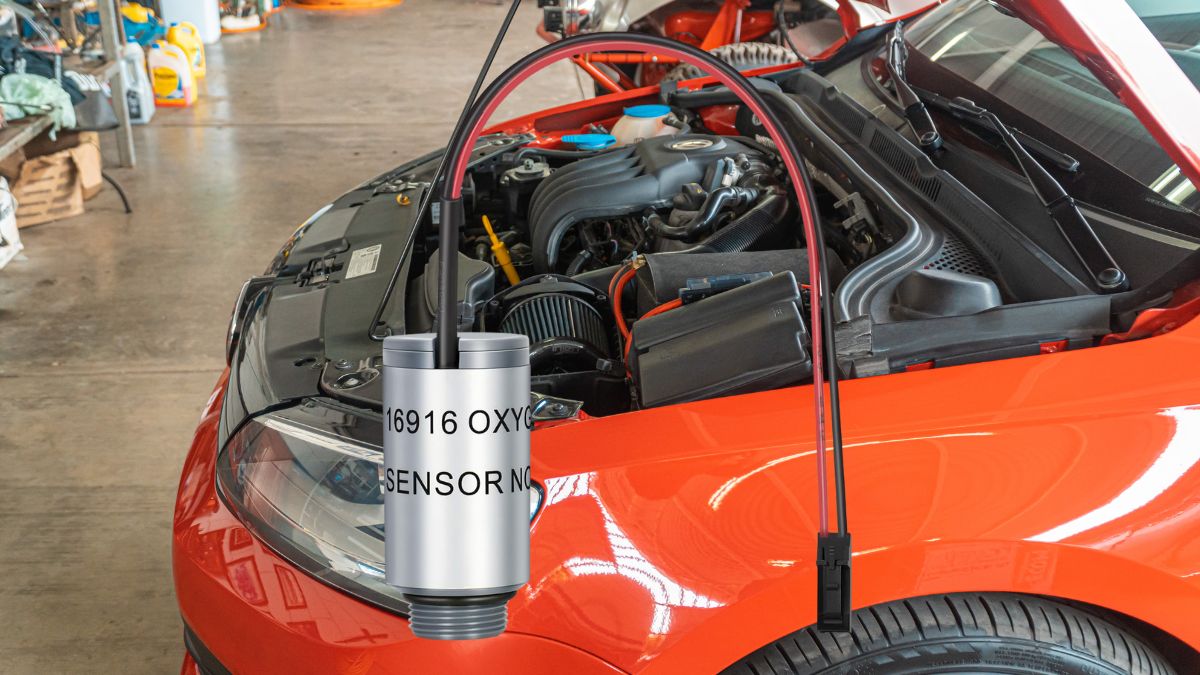
The CAtArt 16916 Oxygen Sensor has quickly become a favored replacement for Robinair systems in 2025—not just for its affordability but for its consistent performance and full compatibility.
This article explores how the CAtArt 16916 works, how it compares to OEM parts, and how professionals can benefit from its integration into their refrigerant management workflows.
How Oxygen Sensors Help Maintain Refrigerant Purity
Oxygen sensors play a vital role in the function of refrigerant analyzers. Their primary job is to identify the oxygen content in refrigerant samples to detect contamination—an essential part of ensuring system integrity.
The CAtArt 16916 relies on electrochemical sensing technology. This means it generates electrical signals that correspond to the oxygen levels present in R-1234yf refrigerants, providing data that enables systems to accurately classify refrigerant purity.
Contaminated or incorrect refrigerant types can:
- Damage HVAC equipment
- Reduce cooling performance
- Increase the risk of regulatory violations due to improper venting
How the CAtArt 16916 Measures Up Technically
The sensor was designed to be robust yet lightweight, making it ideal for both demanding shop conditions and precise diagnostic needs.
Key specs include:
- Operating tolerance up to 200°C
- Dimensions: 4.96 × 4.09 × 3.07 inches
- Weight: Approx. 2.89 ounces
- Plug mount design for ease of installation
- Standard electrical signal output
Built to mirror the OEM sensor’s form factor and connector orientation, it fits seamlessly into existing systems without needing adapters or custom configurations.
How to Know It Fits: Compatibility Breakdown
One of the CAtArt 16916’s main strengths is its universal fit across Robinair’s R-1234yf refrigerant equipment. This includes:
R-1234yf recovery machines:
- AC1234-4
- AC1234-4SL
- AC1234-4-230
- AC1234-6
- AC1234-9
Refrigerant identifiers:
- Model 16990
- Model 16995
Professionals should verify their equipment specs, but as long as the original uses the 16916 sensor, no special modification is needed.
How It Saves Time and Lowers Cost for Technicians
HVAC shops typically deal with tight budgets, high machine utilization, and the need for fast turnaround times. The CAtArt 16916 is engineered to address all three:
- 33% cheaper than OEM sensors (around $179.99 vs. $269.99)
- Quick installation in under 10 minutes
- No special tools required, other than possibly a Phillips screwdriver
- Resilient to shop conditions, including vibration, temperature shifts, and refrigerant exposure
This sensor is available on Amazon, with optional discounts like:
- $20 off coupon at checkout
- 5% discount on multi-unit purchases
- Free shipping on qualifying orders
- Additional savings via Amazon Visa
How to Install the CAtArt 16916 in a Robinair Machine
Step-by-step guide:
- Power off and unplug the machine.
- Locate the original oxygen sensor on the analyzer board.
- Unplug the electrical connector carefully.
- Remove any screws or clips securing the old sensor.
- Install the CAtArt 16916 in the same orientation.
- Reconnect the sensor fully and resecure hardware.
- Power the unit back on and run a startup test.
Most Robinair systems will automatically validate sensor installation during boot-up.
Post-install checklist:
- Verify full connector seating
- Avoid touching the sensing element directly
- Check for bent pins or debris if errors appear
How It Performs in Real Service Conditions
Technicians report performance equivalent to OEM sensors—often with extended operational life. Based on field data and verified buyer feedback:
- Performance is consistent in hot (100°F+) and cold (sub-50°F) shops
- No issues with high humidity or vibration
- Lasts over 12 months in many early-use cases
- Maintains a 5.0/5.0 Amazon rating from verified purchasers
Examples of technician feedback:
- “Works exactly like the original but at a better price.”
- “Installation was fast and easy—machine was back online in 10 minutes.”
- “We’ve used it in three machines without any issues.”
How It Supports a More Sustainable HVAC Practice
Refrigerant cross-contamination isn’t just a performance problem—it’s an environmental hazard. As regulations push out legacy refrigerants in favor of lower-GWP options, precision detection tools like the 16916 are key to avoiding accidental mixing or venting.
Additionally, CAtArt’s durable build quality and long sensor life help reduce waste and minimize premature component disposal.
Looking ahead, sensor innovation is trending toward:
- Faster analysis
- Broader gas detection capabilities
- Longer durability
- Reduced recalibration needs
Why This Sensor Makes Sense for 2025 and Beyond
For HVAC professionals seeking a reliable, affordable, and easy-to-integrate sensor for Robinair systems, the CAtArt 16916 is a strategic upgrade. It delivers full compatibility, measurable savings, and long-term performance without the friction of lower-grade alternatives.
Whether you’re managing a single unit or outfitting a fleet of machines, this sensor simplifies service routines while protecting your bottom line—and your equipment.
Available now through trusted retailers like Amazon, it’s a practical addition to any technician’s toolkit.
Leave a Reply