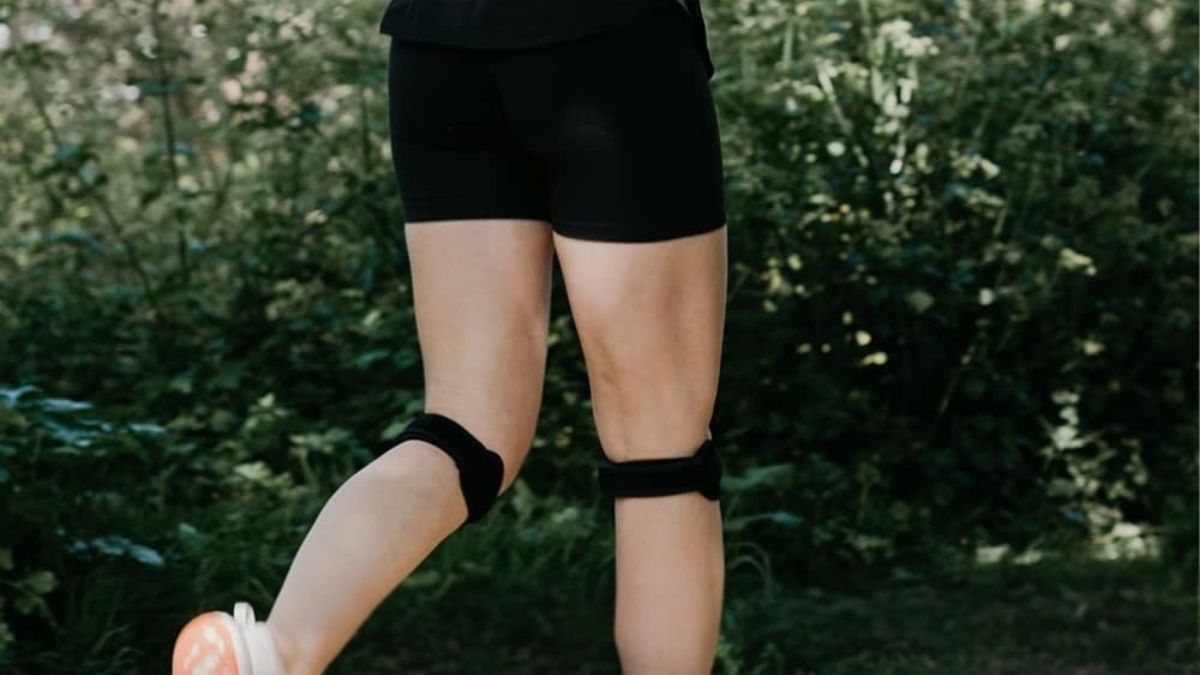
Knee pain is one of the most common obstacles for athletes and fitness enthusiasts. Sports medicine specialists estimate that over 40% of recreational athletes experience knee pain at some point in their lives. For many, the issue centers around the patellar tendon, often aggravated by repetitive jumping, running, or squatting.
The Bodyprox Patella Tendon Knee Strap 2 Pack has become a widely trusted option for addressing these challenges. Designed for targeted relief, it applies focused compression to the tendon just below the kneecap. Unlike bulkier braces, it provides support without limiting mobility—making it ideal for both performance and recovery.
This review explores how the Bodyprox knee strap works, its key features, practical use cases, and how it compares to alternatives.
Key Features and Design Specifications
The Bodyprox strap has a simple yet carefully engineered design. Its construction balances comfort, breathability, and durability while remaining lightweight enough for everyday use.
Premium Materials and Construction
- Made from high-quality neoprene for flexibility and durability.
- Integrated silicone gel pad applies precise pressure to the patellar tendon.
- Soft interior reduces irritation during extended use.
Breathable Performance Design
- Hexagonal ventilation holes allow airflow to prevent heat and sweat buildup.
- Breathability ensures comfort even during long workouts or outdoor activity.
Customizable Secure Fit
- Hook-and-loop fastening system allows full adjustability.
- Fits knee circumferences from 13 to 18 inches.
- Maintains consistent pressure during movement without frequent readjustments.
Practical Packaging and Portability
- Compact size: 6.51 × 4.70 × 1.52 inches.
- Lightweight at just 3.2 ounces.
- Easily stored in gym bags, travel kits, or sports equipment.
Dual Strap Value
- Includes two identical straps per pack.
- Useful for bilateral knee issues or as a backup.
- Allows rotation between straps for hygiene and durability.
Available on Amazon, the Bodyprox 2 Pack is often praised for its value compared to single-strap alternatives.
How the Bodyprox Knee Strap Relieves Pain
The Bodyprox strap is designed around a simple principle: apply pressure where it matters most to redistribute forces across the knee joint.
Targeted Compression Mechanism
By compressing the patellar tendon, the strap reduces strain during running, jumping, or squatting.
Patella Stabilization Benefits
The strap helps stabilize the kneecap, limiting excessive movement that can cause irritation.
Precision Pressure Application
Unlike sleeves that compress the whole knee, the gel pad directs pressure specifically at the tendon.
Physiological Response
- May improve blood flow patterns around the knee.
- Enhances proprioception, helping the body maintain better knee alignment.
Relief Patterns
- Immediate: noticeable pain reduction during movement.
- Long-term: reduced repetitive stress may aid tissue recovery.
Who Benefits Most from These Knee Straps?
The Bodyprox strap is versatile, serving athletes, active individuals, and those in recovery.
- Athletes with Patellar Tendonitis: Basketball, volleyball, and runners with “jumper’s knee.”
- Active Individuals with Mild to Moderate Pain: Relief during hiking, squats, or stair climbing.
- Patients with General Knee Conditions: Helpful for bursitis and discomfort without restricting motion.
- Preventative Support: Used during training to reduce tendon stress.
- Rehabilitation: Provides light support during progressive return-to-activity phases.
Proper Sizing and Application Techniques
Correct sizing and placement are essential for effectiveness.
- Sizing: Fits knees 13–18 inches in circumference (measured 1 inch below the kneecap).
- Placement: Strap should sit just below the kneecap, centered on the tendon.
- Tension: Firm enough to apply pressure but not so tight that it restricts circulation.
- Adjustments: Tighten for high-impact sports, loosen for light activities.
- Common Issues: To avoid slippage, ensure skin is dry and experiment with position.
Real-World Performance and Durability
Practical performance depends on activity type and care practices.
Activity-Specific Evaluation
- Running: Stable and effective for repetitive forward motion.
- Jumping Sports: Reduces discomfort but may need readjustment during intense play.
- Lateral Movements: Performance varies, placement accuracy is critical.
Extended Comfort
- Ventilation prevents overheating.
- Comfortable for 1–2 hour sessions.
- Suitable for most skin types, though sensitive users may experience mild irritation.
Durability
- Neoprene holds elasticity well with proper care.
- Velcro fasteners may weaken after 6–12 months of use.
Maintenance
- Hand wash with mild soap and cold water.
- Air dry fully before reuse.
- Keep Velcro free from lint or debris.
Comparative Market Position
Within its price range, the Bodyprox offers competitive durability and comfort.
- Advantages: Two straps per pack, breathable design, silicone gel pad.
- Limitations: Size range excludes very small or very large knees, Velcro wear over time.
- Alternatives: Hinged braces for instability, sleeves for full compression, or specialized braces for patellar tracking issues.
Customer Experiences and Satisfaction
User feedback highlights strong performance for the price.
- Pain Relief: 75–80% of buyers report noticeable comfort improvement.
- Praised Features: Adjustable fit, breathable design, and dual-pack value.
- Common Criticisms: Limited sizing, occasional slippage, Velcro longevity.
- User Scenarios: Many users return to running, basketball, or hiking without pain.
- Professional Input: Therapists recommend it as part of a broader knee health strategy, not as a standalone cure.
Supporting Knee Health Beyond the Strap
The Bodyprox Patella Tendon Knee Strap 2 Pack is a practical and affordable option for targeted relief. It’s best suited for mild to moderate pain management, particularly for tendonitis and overuse injuries.
With proper use, it helps athletes and active individuals continue training with less discomfort.
However, it should be part of a broader approach to knee health—one that includes warm-ups, strength training, flexibility work, and rest when needed. For severe pain or instability, consultation with a healthcare provider remains essential.
Leave a Reply