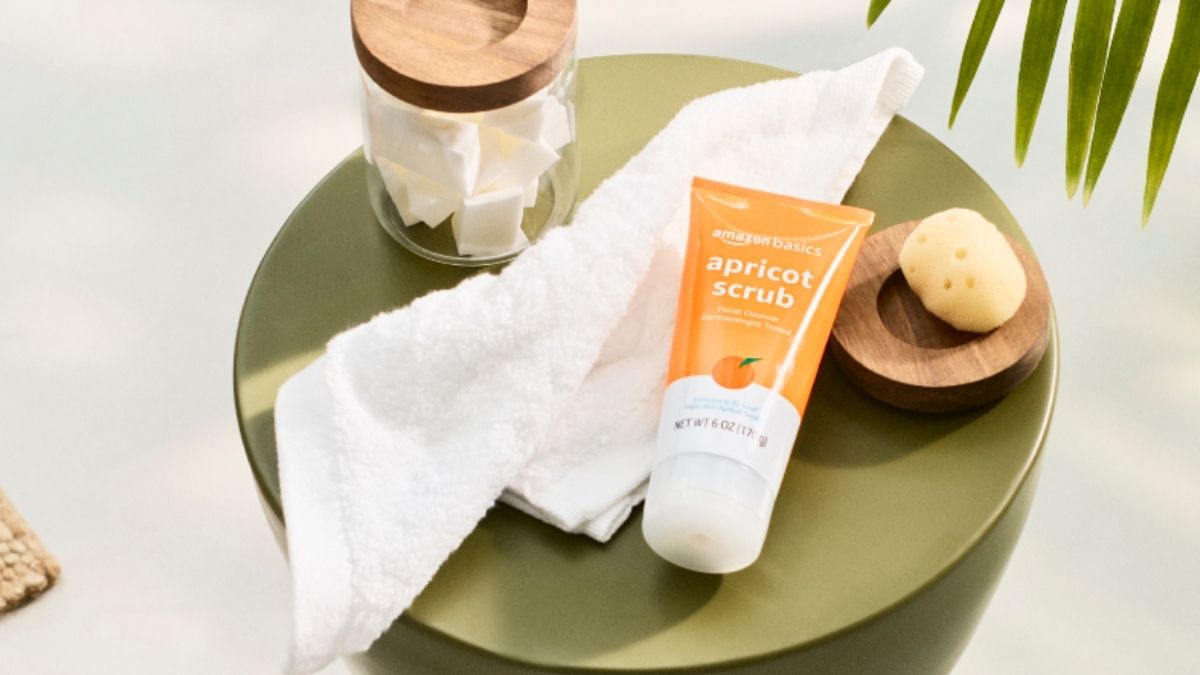
You’ve probably seen Amazon Basics beside big brands and wondered if the savings are worth it.
In 2025, the line spans thousands of everyday items, from cables to cookware. The pitch is simple: buy functional essentials without paying for branding or elaborate packaging.
This guide shows how Basics works, where it shines, and where you should be more cautious. You’ll also see different viewpoints on its marketplace impact, so you can decide when it fits your cart.
How Amazon Basics got here
Amazon Basics started in 2009 with basic tech accessories. Those early items were easy to judge on specs, so trust grew quickly.
Amazon then expanded into home, kitchen, office, pet, and fitness categories by using shopping data to spot high-demand products that could be offered cheaper.
How the business model keeps prices down
Basics products often cost less than comparable name brands because Amazon:
- works directly with manufacturers, cutting traditional retail markups,
- uses search and review data to pick high-volume items,
- ships through its existing fulfillment network at scale,
- updates products when reviews show recurring flaws.
Supporters call this efficient retail. Critics argue it gives Amazon an unfair advantage over third-party sellers. Both perspectives matter as you evaluate the brand.
Where Amazon Basics is usually a strong buy
You’ll get the safest value in standardized products where performance is easy to measure.
| Category | Why it works | Typical trade-off |
| Electronics accessories | Clear specs and consistent QC | Fewer premium materials |
| Office supplies | Function over design | Limited “specialty” options |
| Kitchen basics | Simple tools scale well | Less refined finishes |
| Home essentials | Neutral styles, common fabrics | Fewer luxury feels |
If you’re shopping in these areas, Basics is often a low-risk way to save.
Where quality can vary
Your risk increases when a product relies on specialized engineering, premium materials, or tight tolerances. Examples include complex devices with moving parts, fabric items where softness varies by batch, or niche performance gear. In these categories, read reviews closely and compare specs before you buy.
For higher-stakes items, you should also look for objective signals: safety certifications, clear material listings, and consistent reviewer photos.
Who benefits most
Amazon Basics tends to fit you well if you prioritize value and convenience. It’s especially useful when you’re furnishing a space quickly, restocking repeat-use items like cables or paper goods, or building a home office on a budget.
If you want luxury feel or top-tier performance, you’ll likely do better mixing Basics with premium brands.
Objections and multiple perspectives
Perspective 1: “Basics is great for consumers.”
You pay less for items that often perform close to name brands, especially for simple, spec-driven products.
Perspective 2: “Basics hurts competition.”
Some sellers say Amazon uses marketplace data to launch Basics alternatives in categories they helped grow, which can squeeze smaller brands.
Perspective 3: “Quality is inconsistent.”
Many shoppers love Basics in one category and avoid it in another. The brand targets “good enough,” so expectations matter.
Balanced takeaway: enjoy the savings, but be selective.
How to shop smarter in 2025
Use this quick checklist:
- Look for long-term reviews from verified buyers.
- Compare within the Basics line; higher-tier versions can be better built.
- Use Basics for standard tasks, not specialized performance needs.
- Check warranty terms, which vary by product.
The bottom line
Amazon Basics is a practical way to save on essentials. In categories where specs and materials are standardized, you can often get near-name-brand performance for less.
In complex or premium-feel categories, the value depends on your tolerance for trade-offs. When you’re unsure, compare against at least one well-reviewed name brand before checkout.
Treat Basics as your starting point, not your automatic final choice. With smart review-checking and realistic expectations, you’ll find plenty of items that are easy wins for your budget.
Leave a Reply