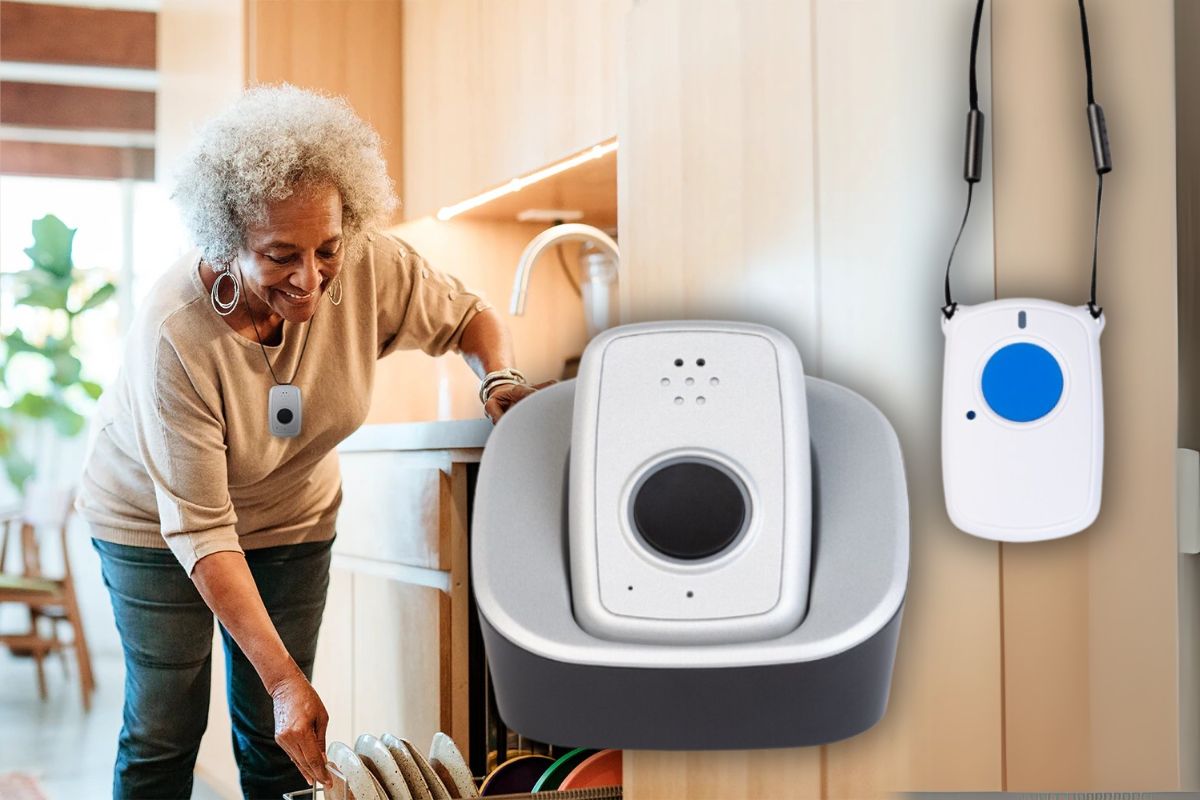
As more seniors choose to age in place, staying safe while maintaining independence is a top priority. The ADT On-The-Go Medical Alert System offers a reliable mobile safety solution designed for active seniors. With GPS tracking, two-way communication, and optional fall detection, this device provides peace of mind for users and their loved ones. In this review, we break down the system’s key features, pricing, and overall value to help you determine if it’s the right fit for your needs in 2025.
Understanding the ADT On-The-Go System
The ADT On-The-Go Medical Alert System operates as a standalone mobile protection device designed specifically for active seniors. Running on AT&T’s cellular network, this system eliminates the need for traditional landline connections while providing comprehensive emergency coverage. The main unit features water-resistant construction, protecting against splashes and light exposure to moisture, though full submersion should be avoided.
Battery management remains a crucial aspect of the system’s functionality. The device maintains approximately 40 hours of operation on a single charge, requiring regular charging to ensure continuous protection. Users should incorporate charging into their daily routine, similar to charging a mobile phone, to maintain optimal performance levels.
Mobile Protection Features That Matter
GPS location tracking forms the cornerstone of the ADT On-The-Go system’s safety features. This technology enables emergency responders to pinpoint a user’s exact location during crisis situations, particularly valuable when users cannot verbally communicate their whereabouts. The GPS functionality operates continuously in the background, providing real-time location data when needed.
The integrated two-way communication system connects users directly with ADT’s monitoring center through a built-in speaker and microphone. This immediate connection proves essential during emergencies, allowing clear communication between the user and professional monitoring staff. The quality of communication depends on cellular signal strength in the user’s location, leveraging AT&T’s nationwide network coverage.
Pricing Structure and Payment Options
ADT offers flexible payment plans to accommodate different budgetary needs. The monthly plan costs $41.99, while the quarterly option reduces the monthly rate to $39.99 ($119.97 per quarter). The annual plan provides the most cost-effective solution at $36.99 monthly ($443.88 per year). Initial setup requires a one-time activation fee of $99.99.
The optional fall detection feature adds $11 monthly to any selected plan. This additional cost factor should be considered when comparing total system expenses against competitor offerings. While the base system price points higher than some alternatives, the comprehensive feature set and professional monitoring services justify the investment for many users.
Fall Detection Technology Explained
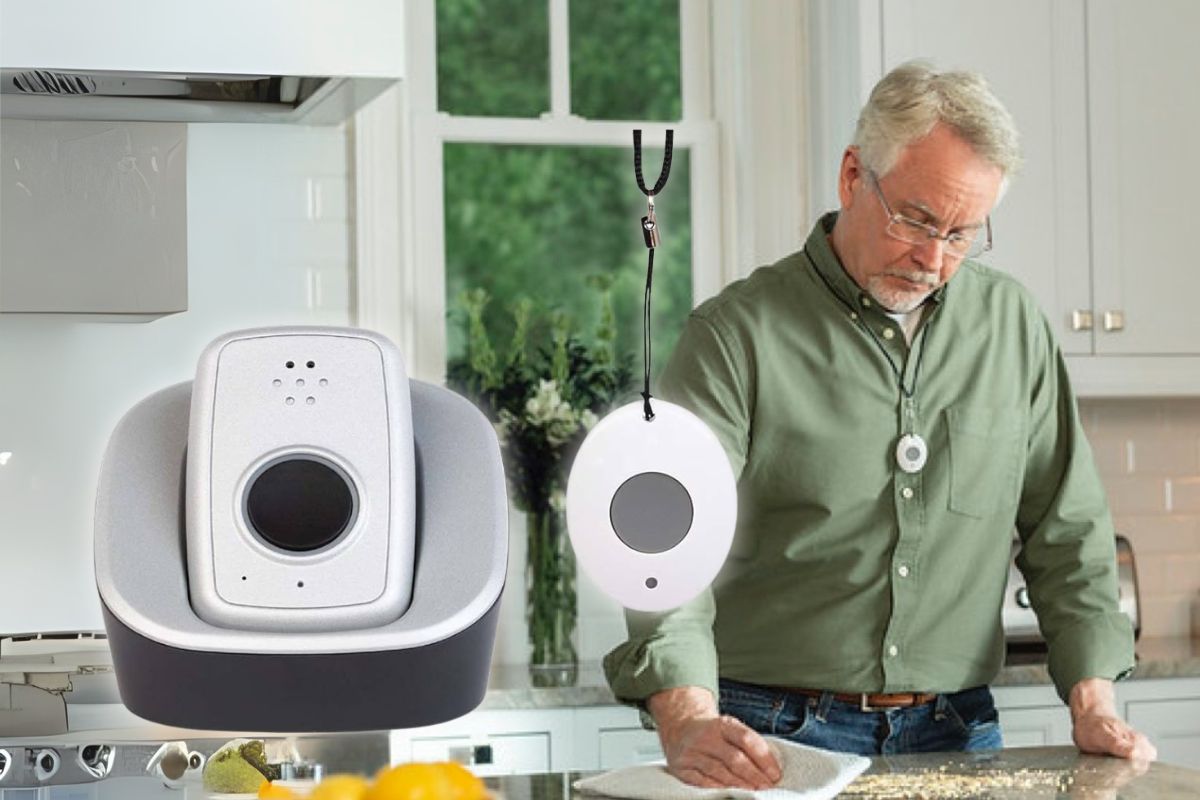
The optional fall detection pendant enhances the base system’s capabilities through advanced accelerometer technology. This supplementary device automatically triggers an alert to ADT’s monitoring center when it detects sudden movements consistent with falling motions. The pendant integrates seamlessly with the main system, adding an extra layer of protection for users with increased fall risks.
The fall detection feature operates independently yet remains connected to the primary unit through wireless technology. When activated, it works in conjunction with the main system’s GPS and communication features, enabling rapid response to detected falls. The pendant does not require charging—when the battery runs low, ADT receives an alert and proactively sends a replacement at no cost under their standard warranty. No additional maintenance is required beyond monthly testing to ensure the device is functioning properly.
Setting Up Your ADT On-The-Go Device
Initial activation involves connecting the device to ADT’s monitoring network and configuring personal emergency contact information. The base station requires proper positioning near an electrical outlet for regular charging access. The system performs an automatic check during setup to verify cellular connectivity and GPS functionality.
Emergency contacts must be arranged in order of priority during configuration. These contacts receive notifications according to predetermined protocols when the system activates. The setup process includes testing procedures to familiarize users with emergency button locations and communication protocols.
Daily Usage and Maintenance
Effective battery management requires establishing a consistent charging routine. The device should be charged during predictable daily periods, such as overnight or during seated activities, to maintain reliable operation. Regular system tests ensure continued functionality and familiarize users with emergency procedures.
Basic maintenance includes keeping the device clean using a slightly damp cloth, avoiding harsh chemicals or excessive moisture. Monthly testing of the emergency response system validates continued operational reliability. Users should maintain clear documentation of test dates and results for reference.
Communication with the monitoring center should be tested periodically to confirm clear two-way audio functionality. Any issues with sound quality or response times warrant immediate contact with ADT’s technical support team for resolution.
Making an Informed Safety Decision
For seniors who want the freedom to stay active while ensuring emergency assistance is always within reach, the ADT On-The-Go Medical Alert System delivers essential safety features. With GPS tracking, professional monitoring, and flexible pricing options, it’s a solid choice for those seeking reliable mobile protection. While the upfront cost may be higher than some competitors, its comprehensive coverage and trusted brand reputation make it a worthwhile investment in personal safety.
Leave a Reply