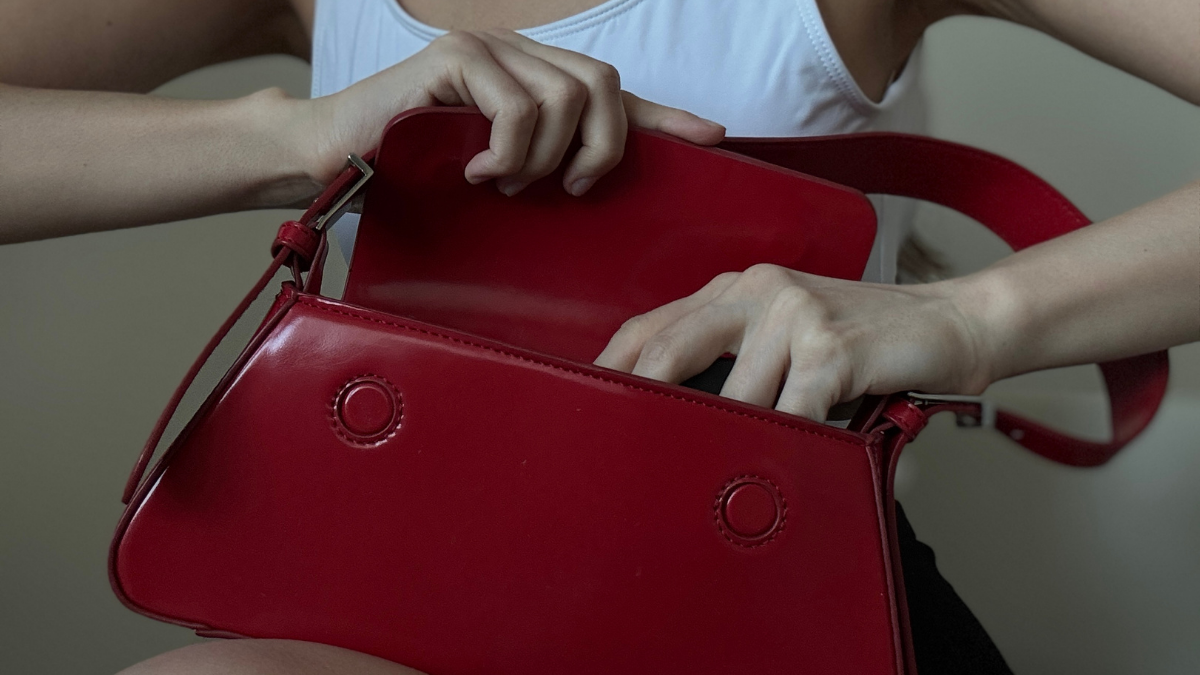
A quality handbag isn’t defined by its price or logo alone. The materials, stitching, hardware, handles, interior construction, comfort, and functionality all influence whether a bag will work well for everyday use.
Start by considering how you’ll actually use the handbag. Leather, coated canvas, canvas, jacquard, nylon, suede, and other materials each have different advantages, care requirements, and aging characteristics.
Choose the Right Material
Leather can provide structure, durability, and character that develops with use, while canvas and other fabrics may offer lighter everyday carrying. Coated canvas can provide additional resistance to everyday moisture and wear.
If you’re considering leather, look at the specific type. Leather varies in grain, softness, thickness, finish, and texture. Some varieties develop a noticeable patina, while others may maintain a more consistent appearance.
The best material is ultimately one that suits your routine and the amount of maintenance you’re willing to provide.
Examine the Stitching and Stress Points
Look carefully at stitching around handles, straps, corners, pockets, zippers, side seams, and bottom panels.
Watch for:
- Loose or unraveling threads
- Skipped stitches
- Strained seams
- Weak-looking attachment points
- Inconsistent construction
Areas supporting the bag’s weight deserve particular attention. Handle and strap attachments, bottom corners, zipper ends, and side seams experience more stress than decorative sections.
Test the Hardware
Open and close the zippers, clasps, snaps, turn locks, and other hardware several times.
Everything should operate as intended, and adjustable hardware should hold straps securely. Also examine how each piece is attached to the handbag. Attractive hardware provides little value if the surrounding construction looks weak.
Don’t assume heavier hardware automatically means higher quality. Excess weight can make an otherwise attractive handbag uncomfortable to carry.
Check the Handles and Straps
Handles and straps experience constant pressure, especially when a bag is heavily loaded.
Look for secure attachment points, finished edges, comfortable construction, and suitable dimensions. If you’re buying a tote, make sure its handle drop allows you to carry it comfortably over your shoulder.
For shoulder and crossbody bags, consider strap width and adjustability. A narrow strap may look elegant but could become uncomfortable when you’re carrying several items.
Inspect the Interior
Don’t judge a handbag entirely from the outside.
Check the lining, seams, pockets, dividers, zipper compartments, corners, and interior hardware. Interior organization should make sense for what you normally carry.
More pockets aren’t necessarily better. If you prefer organizing your belongings in separate pouches, a simple open interior may work perfectly well.
Test the Bag With Your Essentials
An empty display bag doesn’t necessarily show how it will perform in real life.
If possible, test it with items similar to what you regularly carry. Consider whether your phone, wallet, keys, cosmetics, water bottle, tablet, or laptop fit comfortably.
Once filled, ask whether the bag bulges, loses its intended shape, becomes uncomfortable, or becomes difficult to close.
Pay attention to the empty weight too, particularly with larger leather handbags and work totes.
Look Beyond the Brand Name
Brand reputation can influence your purchase, but a logo isn’t proof of construction quality.
Temporarily ignore the branding and evaluate the bag itself. Does the material feel appropriate? Are the straps securely attached? Does the hardware operate smoothly? Is the interior practical? Will the bag comfortably hold your belongings?
These questions can help you evaluate the handbag based on how well it actually meets your needs.
Consider Care and Long-Term Support
Find out how the material should be cleaned and stored before buying. Leather, suede, canvas, denim, jacquard, and other materials can require different treatment.
It’s also worth investigating warranty and repair policies. Repair services, hardware replacement, cleaning guidance, and other after-sales support can add meaningful value if you’re purchasing a handbag you intend to keep for years.
Think About Cost Per Wear
A more expensive handbag isn’t automatically higher quality or better value.
Consider how frequently you’ll realistically use it. A versatile handbag that fits your wardrobe and daily routine may provide better long-term value than a cheaper—or considerably more expensive—bag that spends most of its time in storage.
Choose Quality You Can Actually Use
The strongest sign of a quality handbag is the combination of good construction and practical functionality. A beautifully made bag still isn’t the right purchase if it’s uncomfortable, doesn’t fit your essentials, or requires more maintenance than you’re willing to provide.
Whenever possible, try the handbag on, adjust its straps, open its compartments, test its closures, and imagine carrying it through a normal day.
A quality handbag should look good, feel comfortable, and perform the job you bought it to do.
Leave a Reply