You rarely think about protecting vital documents until an emergency forces the issue. Fires, burst pipes, or flooding can wipe out paperwork that takes months—or years—to replace.
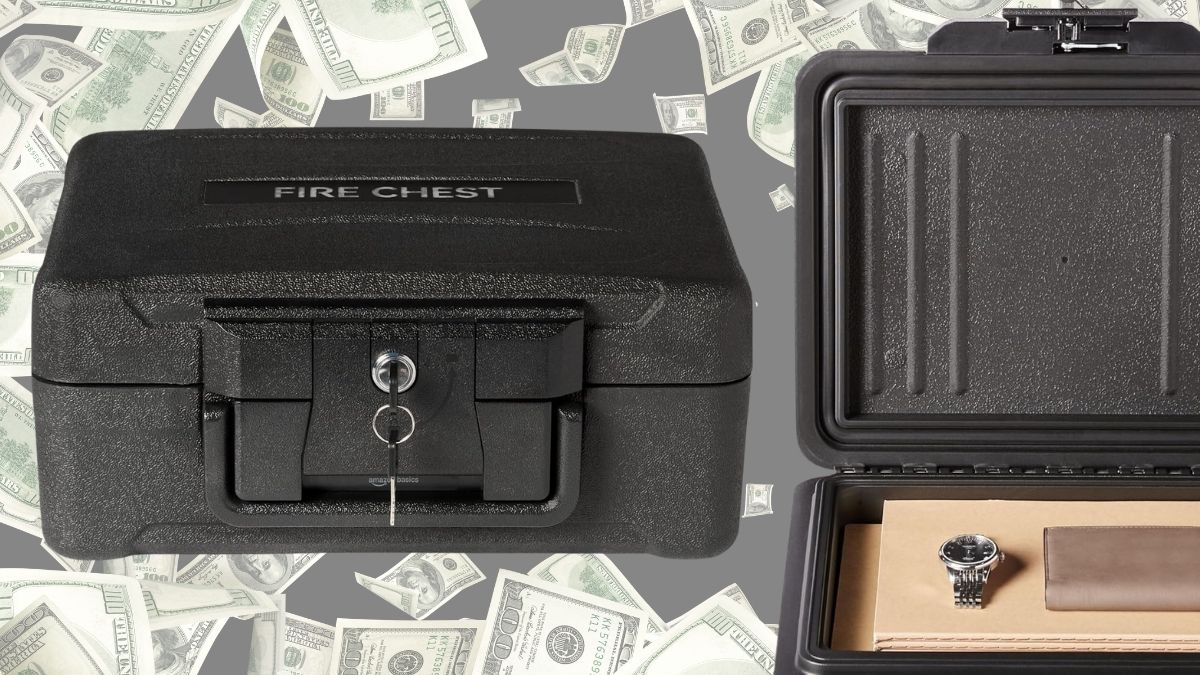
If you want a straightforward, budget-friendly way to safeguard essentials, the Amazon Basics Fire Chest with Mechanical Key (0.22 cu. ft.) aims to cover the basics without overwhelming you with features you may never use.
This compact fire chest is designed for people who value practicality over complexity. It focuses on fire resistance, water protection, and dependable access. Still, understanding both its strengths and its limits helps you decide if it’s the right fit for your home.
Fire and Water Resistance: Realistic Protection for Everyday Risks
The chest is tested to withstand temperatures up to 1550°F for 30 minutes under modified UL 72 Class 350 standards. That level of protection is typically sufficient for common household fire scenarios, especially in apartments or smaller homes where fire response times are shorter.
In addition to fire resistance, the waterproof design protects contents from flooding and fire-fighting water. Heat-activated seals expand during high temperatures, helping block moisture intrusion when it matters most.
From a practical perspective, this means you’re protected against the most likely disasters—not the most extreme ones. If you’re storing irreplaceable papers rather than high-value collections, this balance often makes sense.
Security and Access: Why Mechanical Still Matters
Instead of digital locks or biometrics, this chest uses a mechanical key system. You receive two keys, allowing you to keep a spare in a separate, secure location.
This design choice comes with trade-offs. You lose quick keypad or fingerprint access, but you gain reliability. Mechanical locks don’t rely on batteries, software, or electricity—factors that can fail during emergencies.
From multiple viewpoints, the access system offers:
- Dependable operation during power outages
- Lower long-term maintenance
- Fewer failure points compared to electronic locks
- Less convenience if you frequently access contents
For many households, simplicity equals peace of mind.
Storage Capacity and Organization (Where Planning Helps)
The interior is sized to fit letter-sized documents flat, which prevents folding or damage to important paperwork. With a capacity of 0.22 cubic feet, it’s best suited for essentials rather than bulk storage.
To make the most of the space, organization is key:
- Use labeled folders for categories like IDs, insurance, and property records
- Store jewelry or keepsakes in soft pouches
- Keep USB drives or memory cards in protective sleeves
- Avoid overfilling, which can affect sealing
Once filled, the chest becomes noticeably heavier. At over 18 pounds empty, portability decreases as you add contents—something to consider if evacuation is part of your emergency plan.
Build Quality and Durability Expectations
Constructed from alloy steel, the chest balances strength and manageable weight. The materials are chosen specifically for fire resistance and structural integrity under heat stress. Hinges and locking mechanisms are intentionally basic, reducing wear and long-term failure risk.
With normal use and proper placement, you can reasonably expect many years of service. This isn’t a disposable item—it’s designed to be a long-term safety tool.
Placement and Daily Use Considerations
Because it’s freestanding, you don’t need to modify walls or floors. This makes it especially appealing if you rent or prefer flexible placement. Ideal locations include bedroom closets, home offices, or other dry, climate-controlled spaces.
Even with waterproof construction, avoiding damp environments is wise. Opening the chest in humid areas can introduce moisture over time, affecting paper documents.
What Belongs Inside—and What Doesn’t
This fire chest works best for essential, irreplaceable items rather than high-security storage.
Ideal items to store include:
- Passports and birth certificates
- Insurance policies and legal documents
- Property deeds and contracts
- Small heirlooms or sentimental items
- USB drives with digital backups
Items that require higher theft resistance, larger capacity, or longer fire protection may justify a larger safe or off-site storage.
Value, Trade-Offs, and Final Takeaway
From a value standpoint, this chest delivers solid protection at an accessible price. There are no batteries to replace, no software to fail, and minimal ongoing costs. You’re paying for core safety—not premium features.
At the end of the day, this fire chest makes sense if you:
- Want basic fire and water protection
- Prefer mechanical reliability over digital features
- Need compact storage for essential documents
- Value affordability and portability
The Amazon Basics Fire Chest with Mechanical Key isn’t meant to replace a professional-grade safe, but it does provide a smart, practical layer of protection for everyday life. If you’re already thinking about preparedness or practical home upgrades, it’s also a good moment to browse Amazon Basics for more thoughtful, useful gift ideas that focus on safety and simplicity.
Leave a Reply