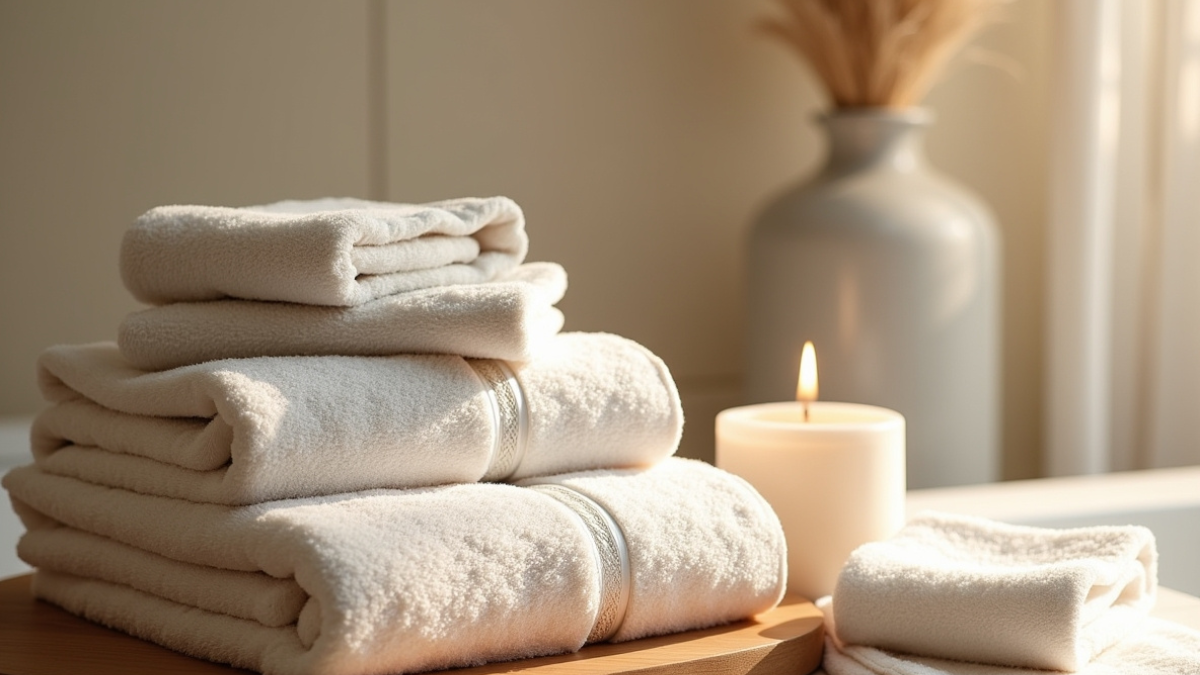
Buying Luxury Sheets and Towels can feel straightforward until you start comparing cotton types, fabric construction, thread counts, towel weights, finishes, sizes, and care requirements.
Some products prioritize a crisp sleeping surface, while others focus on softness or a heavier hotel-style feel.
Your best choice depends on how you sleep, how often you wash your linens, your preferred texture, and your budget.
Learning what common specifications actually mean can help you compare products based on practical qualities instead of relying only on branding or product photography.
Luxury Sheets and Towels: What Should You Check Before Buying?
Start by looking beyond labels such as “luxury” or “hotel style.” Those terms do not follow a single universal performance standard.
Useful factors to check include:
- Fiber type
- Cotton quality
- Fabric construction
- Sheet weave
- Towel GSM
- Size and pocket depth
- Care instructions
- Return policy
- Included pieces
- Price per set
Reading the full product specifications can help you judge how well an item fits your bedroom or bathroom routine.
Which Sheet Materials Are Worth Comparing?
Material has a major effect on softness, temperature, texture, drying time, and maintenance.
Cotton
Cotton remains one of the most common materials for luxury bed sheets because it can feel soft while allowing airflow. Cotton quality can differ significantly based on fiber length, yarn construction, weave, and finishing.
Longer cotton fibers can be spun into smoother yarn with fewer exposed fiber ends. This may help create a smoother surface and reduce roughness over time.
Egyptian Cotton
Authentic Egyptian cotton sheets use cotton grown in Egypt, although the Egyptian cotton label alone does not tell you everything about finished fabric quality.
Pay attention to fiber quality, weave, manufacturing details, and product certifications instead of judging a set entirely by its cotton designation.
Linen
Linen comes from flax fibers and is known for airflow and moisture management. It usually has a textured feel compared with cotton and naturally develops wrinkles.
Many linen sheets soften through repeated washing. Buyers who prefer a perfectly smooth appearance may favor cotton instead.
Bamboo-Derived Fabrics
Many sheets marketed as bamboo are made from regenerated cellulose fibers such as viscose or rayon derived from bamboo.
These fabrics can feel smooth and lightweight. Check the fiber label carefully because manufacturing methods and material composition vary between products.
Percale vs. Sateen: Which Weave Fits Your Sleep Style?
Cotton sheets commonly use percale or sateen construction.
| Feature | Percale | Sateen |
|---|---|---|
| Feel | Crisp and smooth | Soft and silky |
| Surface | Matte | Slight sheen |
| Airflow | Often high | Often slightly warmer |
| Weight | Usually lighter | Usually heavier |
| Best suited for | Warm sleepers | Buyers who prefer smoothness |
Percale typically uses a simple one-over-one weave. This construction often creates a crisp texture similar to freshly pressed hotel bedding.
Sateen uses longer yarn floats across the fabric surface. This creates a smoother feel and subtle sheen.
Neither construction is automatically superior. Your preferred temperature and texture should guide your choice.
Does Thread Count Matter?
Thread count describes the number of horizontal and vertical threads within a square inch of fabric.
A higher number does not automatically indicate better sheets. Fiber quality, yarn construction, weave, finishing, and manufacturing quality can affect performance as much as thread count.
Extremely high advertised thread counts may result from counting individual yarn plies instead of individual threads.
When comparing hotel quality bedding, evaluate thread count alongside:
- Fiber type
- Staple length
- Yarn quality
- Weave
- Fabric weight
- Customer care instructions
A balanced set of specifications provides a better basis for comparison than one large number.
How Should You Compare Luxury Towels?
Towels require a slightly different buying approach. Weight, absorbency, drying speed, pile construction, and dimensions matter heavily.
Good luxury bath towels should feel comfortable against your skin while drying effectively between uses.
Start With GSM
GSM means grams per square meter. It measures fabric weight rather than absorbency directly.
A simple reference:
| Approximate GSM | Typical Feel | Common Use |
|---|---|---|
| 300–400 GSM | Lightweight | Gym, travel, quick drying |
| 400–600 GSM | Medium weight | Everyday bathroom use |
| 600+ GSM | Thick and heavy | Plush bathroom feel |
Higher-GSM towels generally contain greater fabric weight per square meter. They may feel thicker, yet they can take longer to dry.
A lighter towel can be a better fit for humid bathrooms or frequent washing.
What Makes Turkish Cotton Towels Popular?
Turkish cotton towels are commonly produced from Turkish-grown cotton and can be found in traditional terry designs as well as lightweight flat-woven styles.
Performance still depends on yarn, construction, density, finishing, and washing practices.
For everyday use, check:
- GSM
- Towel dimensions
- Loop density
- Edge stitching
- Washing instructions
- Dryer recommendations
This information can tell you far more about everyday usability than the country name alone.
What Sizes Should You Check?
Sizing can easily cause problems when buying bedding online.
Before ordering sheets, measure:
- Mattress width
- Mattress length
- Mattress depth
- Mattress topper thickness
Deep mattresses may require fitted sheets with deeper pockets.
For towels, check exact dimensions instead of assuming every bath towel uses the same measurements.
Common categories include:
- Washcloth
- Hand towel
- Bath towel
- Bath sheet
Bath sheets are typically larger than standard bath towels and provide extra coverage.
Luxury Sheets and Towels Comparison Checklist
Use this table when comparing products from different retailers.
| Feature | Sheets | Towels |
|---|---|---|
| Main material | Cotton, linen, regenerated cellulose | Cotton or cotton-based fabric |
| Main specification | Weave and thread construction | GSM and pile |
| Size check | Mattress dimensions and depth | Exact towel dimensions |
| Texture | Crisp, smooth, soft, textured | Lightweight, plush, dense |
| Drying speed | Depends on material | Strongly affected by weight |
| Care | Wash temperature and drying method | Wash and tumble-dry guidance |
| Value check | Pieces included per set | Quantity and towel size |
How Can You Judge Quality Online?
Online shopping prevents you from feeling the fabric before purchasing, so product details become especially useful.
Check these areas before ordering:
Fiber Composition
Look for exact percentages rather than vague marketing language.
Construction
Sheet listings should ideally identify weave or fabric type. Towel listings should show GSM when available.
Measurements
Verify fitted-sheet depth, pillowcase dimensions, and towel sizes.
Care Instructions
Some fabrics require lower washing temperatures, gentle cycles, or specific drying methods.
Return Policy
Check return windows and restrictions before purchasing opened bedding or washed textiles. Hygiene-related return rules can differ between retailers.
When Are Premium Linens Worth Paying For?
Paying a higher price can make sense when the product uses better raw materials, careful construction, strong stitching, dependable sizing, or detailed quality controls.
However, a high retail price does not guarantee long-term performance.
When evaluating premium bathroom linens, focus on measurable details such as dimensions, fabric weight, fiber content, construction, and care requirements.
The same principle applies to sheets.
Your goal should be finding materials and specifications that fit how you actually use them.
How Many Sheet and Towel Sets Do You Need?
For many households, having spare sets makes washing easier.
A practical setup may include:
- One sheet set currently on the bed
- One clean replacement sheet set
- Two or three bath towels per regular user
- Several hand towels
- Several washcloths
- Guest linens when needed
Your laundry schedule and available storage should determine the final quantity.
How Can You Make Sheets and Towels Last Longer?
Proper care can protect fibers and help textiles maintain their texture.
Follow the manufacturer’s label first.
General habits may include:
- Avoiding excessive detergent
- Washing similar fabrics together
- Keeping towels away from items with exposed zippers or hooks
- Drying according to label instructions
- Avoiding excessive heat when the care label advises lower temperatures
- Rotating several sets instead of using one set continuously
Fabric softeners can sometimes coat towel fibers and affect absorbency, depending on the formulation and frequency of use.
Frequently Asked Questions
Are expensive sheets always better?
No. Price alone cannot confirm fiber quality, durability, fit, or comfort. Compare material, yarn, weave, construction, measurements, care instructions, and return terms.
Is a high thread count always best?
No. Thread count should be evaluated alongside fiber quality and fabric construction. Extremely large numbers do not automatically indicate superior performance.
Is higher GSM better for towels?
Not automatically. Higher GSM usually means a heavier towel. Lower-GSM towels may dry faster, while heavier towels may provide a thicker feel.
Should sheets be washed before first use?
Check the manufacturer’s care instructions. Many buyers wash new bedding before putting it on the bed to remove packaging residue and achieve the intended washed texture.
What type of sheets suit warm sleepers?
Lightweight cotton percale and linen are commonly selected by people who prefer breathable bedding.
Room temperature, mattress materials, blankets, and personal preferences can affect sleep temperature as well.
What should you check before buying a towel set?
Review the fiber content, GSM, dimensions, number of pieces, care requirements, return terms, and price per towel.
Final Buying Checklist
Before purchasing Luxury Sheets and Towels, verify:
- Exact fiber composition
- Sheet weave or towel GSM
- Mattress and towel dimensions
- Fitted-sheet pocket depth
- Pieces included in the package
- Washing and drying instructions
- Return and exchange conditions
- Price per piece or complete set
- Texture suited to your preferences
- Product specifications provided by the retailer
Leave a Reply