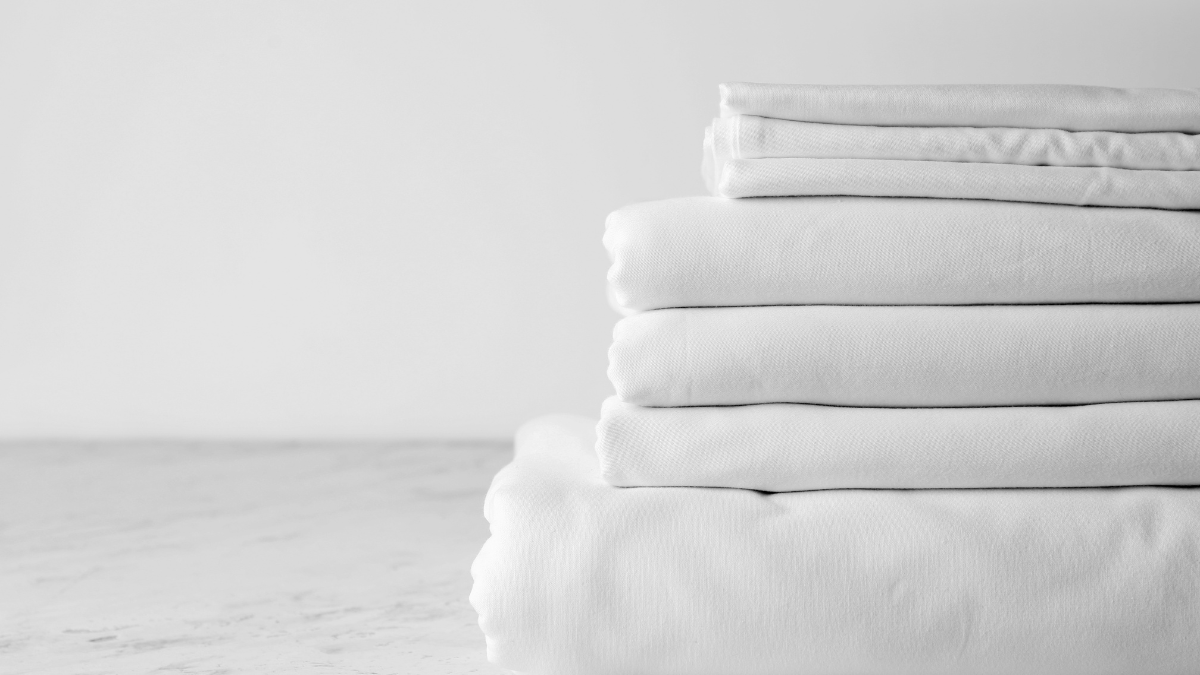
Buying Premium Bed Sheets can make your bed feel softer, cooler, smoother, or cozier depending on the fabric and construction you select.
Price alone does not tell you how comfortable a sheet set will feel. Fiber quality, weave, mattress depth, care requirements, and personal sleeping habits all affect your purchase.
You may prefer a crisp cotton surface if you sleep warm, while another fabric may suit you better if softness is your priority.
Comparing materials before buying can help you avoid paying extra for features that have little effect on daily comfort.
This guide explains the main materials, weave types, fit details, price factors, and shopping checks that can help you choose bedding suited to your room and sleeping preferences.
What Should You Look for in Premium Bed Sheets?
When shopping for Premium Bed Sheets, focus first on material quality rather than thread count alone. Fiber type affects softness, airflow, durability, texture, and maintenance.
You should also check:
- Fabric composition
- Weave type
- Mattress dimensions
- Pocket depth
- Care instructions
- Included pieces
- Return policy
- Certification information
- Customer reviews related to fit and washing
- Price per complete set
These details give you a clearer basis for comparing different bedding sets.
Which Bed Sheet Materials Are Worth Comparing?
Different fabrics create noticeably different sleeping surfaces. Your preferred temperature, texture, maintenance routine, and budget can guide your choice.
Egyptian Cotton
Egyptian cotton sheets are commonly associated with long cotton fibers that can produce smooth, strong yarns when genuine high-quality Egyptian cotton is used.
Cotton quality still varies between products, so the fiber name alone should not determine your purchase.
Check the complete fabric description, construction, certifications, and care requirements.
Higher-quality cotton bedding may feel smoother after repeated washing when cared for correctly.
Linen
Linen sheets are made from flax fibers and usually have a textured surface. Linen tends to allow good airflow and can work well for sleepers who prefer bedding with a less polished feel.
Fresh linen bedding can initially feel firmer than some cotton options. The fabric commonly becomes softer through regular use and washing.
Linen sets often sit toward the higher end of bedding prices because flax processing and fabric production can affect manufacturing costs.
Sateen vs. Percale: What Is the Difference?
The same fiber can feel very different depending on how it is woven.
Sateen
Sateen sheets generally have a smoother surface with a subtle sheen. Their weave structure can create a softer, slightly heavier feel than crisp cotton bedding.
They may suit you if you prefer:
- Smooth bedding
- A softer hand feel
- Slightly warmer fabric
- A polished appearance
Sateen can sometimes show wear or snagging sooner than tightly constructed alternatives, so fabric quality remains important.
Percale
Percale sheets use a simple over-under weave that typically produces a crisp, matte finish.
They are often selected by people who like lightweight bedding and a freshly made hotel-bed feel.
Percale may suit you if you:
- Tend to sleep warm
- Prefer crisp fabric
- Like lightweight bedding
- Want a matte appearance
Neither weave is automatically better. Your sleeping temperature and preferred texture should guide your choice.
Bed Sheet Material Comparison
| Material or Weave | Typical Feel | Temperature | Maintenance | Good Match For |
|---|---|---|---|---|
| Cotton | Soft and familiar | Balanced | Easy | Everyday bedding |
| Egyptian cotton | Smooth and soft | Balanced | Moderate | Shoppers prioritizing cotton quality |
| Sateen | Smooth and silky | Slightly warmer | Moderate | Softness-focused sleepers |
| Percale | Crisp and lightweight | Cooler | Easy | Warm sleepers |
| Linen | Textured and breathable | Cooler | Moderate | Airflow and relaxed texture |
Actual performance can vary by fiber quality, fabric weight, construction, and finishing process.
Does Thread Count Matter?
Thread count describes the number of horizontal and vertical threads within a square inch of fabric.
It can provide some information about construction, yet a higher number does not automatically mean a better sheet.
Fiber quality and weave can have a greater effect on comfort.
Extremely high thread-count claims may result from counting multi-ply yarns separately.
For that reason, comparing bedding solely by the largest number on the packaging can be misleading.
Focus instead on:
- Fiber quality
- Yarn construction
- Weave
- Fabric weight
- Finishing
- Customer feedback after washing
A well-made sheet with a moderate thread count may perform better than a poorly constructed set carrying a very high number.
Check Mattress Depth Before Buying
Correct sizing affects comfort almost as much as fabric selection.
Standard fitted sheets may struggle to cover thick mattresses, pillow tops, mattress pads, or toppers.
Deep pocket sheets are designed with added fitted-sheet depth for thicker mattress setups.
Measure your mattress from the bottom edge to its highest point, including any topper you regularly use.
Check the manufacturer’s listed pocket depth rather than relying only on labels such as “deep” or “extra deep.” Sizing standards can differ between brands.
A fitted sheet that is too shallow may pull loose at the corners. One that is excessively large may bunch beneath you.
How Much Should Premium Bedding Cost?
Sheet prices vary greatly based on material, manufacturing methods, set size, fiber quality, certifications, and brand positioning.
You can find usable cotton sheet sets at lower prices, while premium cotton and linen sets can cost well above $100.
Some luxury bedding collections may reach several hundred dollars for a complete set.
Instead of treating the highest price as proof of quality, compare the features that affect your daily use.
Ask:
- What fabric are you paying for?
- Does the set include pillowcases?
- Is the fitted-sheet depth suitable?
- What washing method is required?
- Is there a trial or return period?
- Can individual pieces be replaced later?
Should You Buy a Sheet Set or Individual Pieces?
A complete sheet set normally includes:
- One fitted sheet
- One flat sheet
- One or two pillowcases
Exact contents vary by size and seller.
A set can be convenient when you need complete bedding at once. Buying pieces individually can make sense when you skip flat sheets, need extra pillowcases, or want different sizes for specific mattress setups.
Check the package contents carefully before comparing prices. A cheaper set may contain fewer pieces.
How Should You Compare Sheet Quality Online?
Shopping online prevents you from feeling the fabric before purchasing, so product specifications become especially useful.
Read the material section carefully. Look for clear percentages instead of vague fabric descriptions.
Then check buyer reviews for repeated comments about:
- Shrinking
- Pilling
- Loose elastic
- Corner fit
- Fabric thickness
- Color changes
- Wrinkling
- Softness after washing
One negative review tells you little. Repeated comments about the same problem can provide useful purchasing information.
Certifications Can Help You Compare Products
Textile certifications can give you added information about how fabrics or finished products were tested or produced.
For example, OEKO-TEX STANDARD 100 certification relates to testing textiles for specified harmful substances. Organic textile claims may be supported by separate certification systems.
Check the certification named by the manufacturer rather than assuming terms such as “natural,” “clean,” or “eco” carry the same meaning.
How Many Sheet Sets Do You Need?
Two or three sets per bed can be practical for many households.
Keeping an extra set allows you to replace used bedding without waiting for the washing and drying cycle to finish. You may also prefer different fabrics during warmer and cooler months.
A simple setup could include:
- One set currently on the bed
- One clean replacement set
- One seasonal or spare set
Buying numerous sets may be unnecessary if storage space is limited.
How Can You Make Bed Sheets Last Longer?
Correct maintenance can help reduce early wear.
Follow the manufacturer’s washing instructions and avoid excessive heat unless the care label permits it.
High washing or drying temperatures may cause shrinkage or damage certain fibers.
Helpful habits include:
- Washing sheets separately from rough garments.
- Using the recommended detergent amount.
- Avoiding overloading the washing machine.
- Drying according to the care label.
- Rotating between different sets.
- Keeping sharp objects away from bedding.
- Storing clean sheets in a dry location.
Always follow the specific instructions attached to your bedding since fiber requirements differ.
Which Sheets Work Well for Hot Sleepers?
People who sleep warm commonly look for breathable fabrics and lighter constructions.
Percale cotton and linen are frequently chosen because their structures can support airflow.
Fabric weight, room temperature, mattress materials, and bedding layers still affect your sleeping temperature.
Removing unnecessary blankets or switching to lighter bedding may have a greater effect than changing sheets alone.
Which Sheets Feel Softest?
Softness is subjective.
Sateen commonly feels smooth from the beginning, while linen often develops a softer feel after repeated use.
Cotton quality, fiber length, weave, finishing, and laundering can all change the texture.
If you are highly sensitive to texture, a retailer with a practical return policy can reduce the risk of buying bedding you dislike.
Final Buying Checklist
Before purchasing your next bedding set, check:
- Exact fiber composition.
- Weave type.
- Mattress dimensions.
- Fitted-sheet pocket depth.
- Number of pieces included.
- Washing and drying instructions.
- Textile certifications when relevant.
- Return or trial policy.
- Replacement-piece availability.
- Total price compared with similar materials.
Taking a few minutes to compare these details can help you choose bedding based on comfort and practical value instead of marketing claims.
Frequently Asked Questions
Are expensive bed sheets always better?
No. A higher price may reflect premium fibers, construction methods, certifications, branding, or manufacturing location.
Price does not guarantee that a particular sheet will suit your preferred texture or sleeping temperature.
Is a higher thread count always better?
No. Thread count is only one measure of fabric construction. Fiber quality, yarn structure, weave, and finishing can have an equal or greater effect on performance.
How often should bed sheets be washed?
Many households wash bedding around once per week, though your routine can depend on personal habits, climate, pets, allergies, and how the bed is used. Follow the product’s care label to prevent unnecessary fabric damage.
What fabric works well during warmer weather?
Lightweight percale cotton and linen are popular choices for sleepers seeking greater airflow.
Your mattress, duvet, room temperature, and other bedding layers also affect heat retention.
Should fitted sheets fit tightly?
Yes. A fitted sheet should remain secure around your mattress without excessive stretching.
Measuring mattress height before ordering helps you select the correct pocket depth.
How can you tell if bedding is worth the price?
Compare fiber composition, construction, fitted-sheet depth, care instructions, independent certifications, return conditions, and verified customer feedback.
These factors provide stronger buying information than price or thread count alone.
Choose Bed Sheets That Fit Your Comfort Needs
Quality bedding should suit the way you actually sleep. Fabric type, weave, temperature, mattress depth, maintenance requirements, and budget all deserve attention before you buy.
Rather than choosing bedding based solely on luxury labels or very high thread-count claims, compare measurable product details.
The right set should fit your mattress properly, feel comfortable against your skin, survive regular washing, and fit your normal care routine.
Leave a Reply