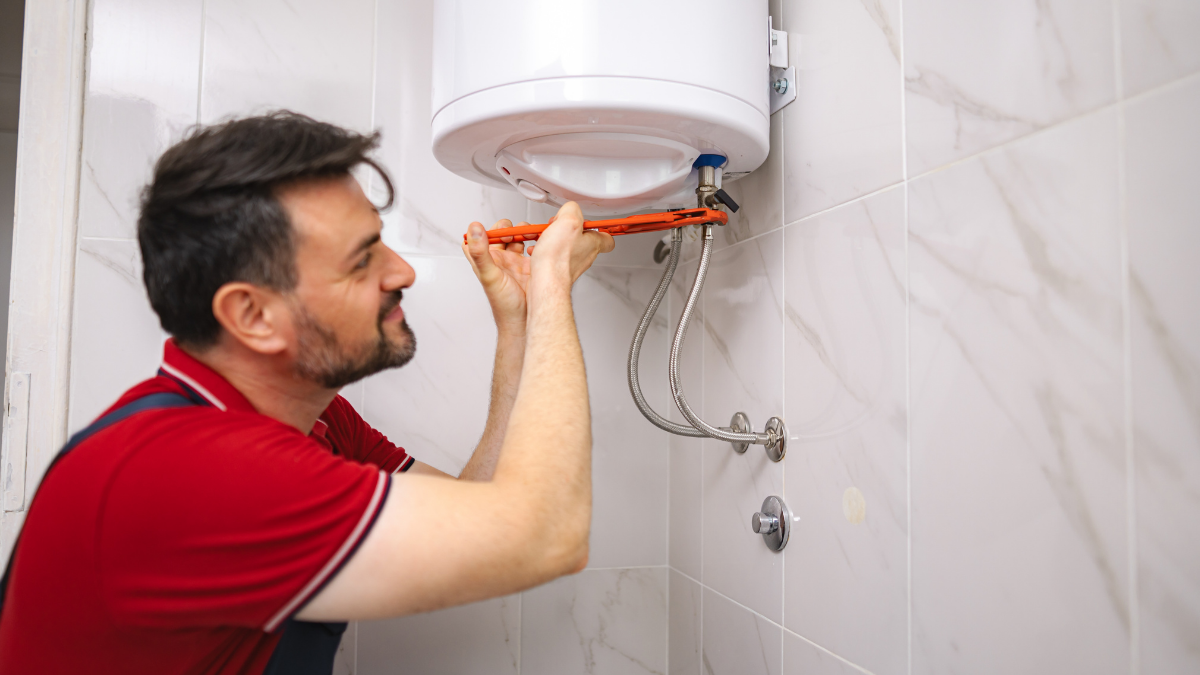
Your water heater works behind the scenes every day, so changes in its performance can be easy to overlook. Less hot water, unusual noises, moisture, temperature fluctuations, or corrosion may indicate that the system needs attention.
The exact cause depends on the type, age, condition, and design of your equipment. Knowing what to watch for can help you decide when routine observation is enough and when professional service may be appropriate.
Not Enough Hot Water
A noticeable reduction in hot water can have several causes, including increased household demand, sediment buildup, thermostat settings, burner issues, failing heating components, or insufficient system capacity.
If your usage hasn’t changed but performance has, further inspection may help identify the cause.
No Hot Water
A complete loss of hot water can point to different problems depending on your equipment.
Electric units may experience electrical, heating-element, control, or power-supply problems. Fuel-fired systems can develop ignition, burner, control, or fuel-supply issues.
Avoid opening electrical panels or attempting unfamiliar gas or combustion repairs yourself.
Inconsistent Water Temperature
Water that suddenly becomes cold, excessively hot, or repeatedly changes temperature may indicate a problem with controls, thermostats, heating components, mixing valves, or other parts of the system.
Hot water that reaches unsafe temperatures can present a scalding risk, so avoid making unfamiliar adjustments without understanding the cause.
Unusual Water Heater Noises
Popping, knocking, rumbling, and other new sounds deserve attention.
In some tank-style heaters, sediment or mineral deposits can contribute to unusual noises. Mechanical or combustion-related problems can also produce sounds, so noise alone isn’t enough to diagnose the cause.
Persistent noise accompanied by leaks, odors, or reduced performance may warrant professional evaluation.
Water Around the Heater
Moisture around a water heater shouldn’t automatically be assumed to come from the tank itself.
Water may originate from connections, valves, drain components, nearby pipes, condensation, or the tank. The location and timing of the moisture can provide useful clues.
Exercise additional caution if water is near electrical equipment or wiring.
Corrosion or Rust
Visible corrosion around pipes, fittings, valves, or the heater may be associated with moisture exposure, aging, or other environmental conditions.
Cleaning or covering corrosion doesn’t address its cause. Significant or worsening deterioration should be evaluated before continuing normal operation.
Discolored or Unusual-Smelling Hot Water
Discoloration limited to hot water may point toward the water heater or hot-water piping, while changes affecting both hot and cold water may originate elsewhere in the plumbing system or water supply.
Odors can have several causes as well. If you suspect a gas or combustion-fume odor rather than a water-quality issue, leave the area and follow appropriate emergency or utility guidance. Never use a flame to search for a suspected gas leak.
Check the Area Regularly
One of the simplest maintenance habits is periodically inspecting the area around your water heater.
Look for:
- Moisture or water
- Corrosion
- Mineral buildup
- Damaged piping
- Unusual stains
- Changes around exposed connections
Keep the area accessible for inspection and servicing, and follow applicable clearance and storage requirements.
Follow the Correct Maintenance Procedures
Maintenance requirements vary considerably between water heater designs.
Some tank-style units may require flushing to manage sediment or inspection of a sacrificial anode rod. These procedures should follow the equipment manufacturer’s instructions because incorrect servicing can create burn or property-damage risks.
Tankless systems have different requirements and may need cleaning, inspection, or descaling depending on their design and local water conditions.
Keep Maintenance Records
Record the model number, installation date when known, service visits, repairs, and significant performance changes.
Keeping manuals and warranty information together can make troubleshooting and future replacement decisions easier.
Know When Professional Service Is Needed
Professional evaluation may be appropriate for persistent leaks, inconsistent temperatures, repeated loss of hot water, substantial corrosion, unresolved error codes, or continuing unusual noises.
Gas connections, combustion systems, electrical components, pressure-related issues, and concealed leaks can require specialized expertise.
Major leaks, suspected gas odors, smoke, electrical arcing, or combustion problems require more urgent attention. Don’t disable safety controls or continue operating equipment that appears unsafe simply to restore hot water.
Keep an Eye on Changes Over Time
A practical water heater maintenance routine starts with knowing how your equipment normally operates. Regularly check for new leaks, corrosion, unusual sounds, temperature changes, and declining performance.
Maintenance can’t prevent every equipment failure, but careful observation, manufacturer-recommended servicing, and professional attention when necessary can help you respond appropriately when your hot-water system begins behaving differently.
Leave a Reply