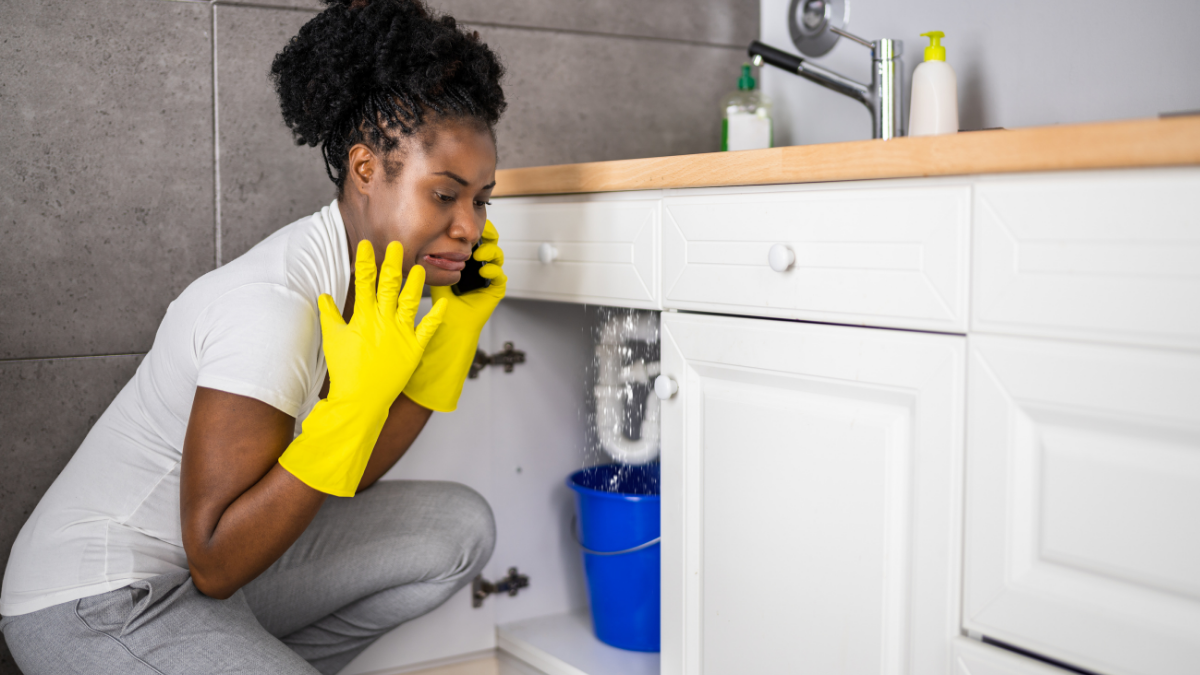
A dripping faucet or damp pipe connection may look like a minor plumbing problem, but leaks can have many different causes. Worn seals, deteriorating supply lines, corrosion, excessive pressure, damaged joints, and installation problems can all allow water to escape.
Understanding the common causes can help you recognize when a straightforward repair may be possible and when the problem needs professional attention.
Worn Washers, Seals, and O-Rings
Faucets rely on small components such as washers, seals, and O-rings to control water and prevent leaks around moving parts.
Regular use can cause these components to harden, crack, or deteriorate. Replacement parts need to match the fixture because components that look similar may have different dimensions or specifications.
Damaged Faucet Cartridges
Many faucets use cartridges to regulate water flow and temperature.
When a cartridge becomes worn or damaged, you may notice dripping from the spout, moisture around the handle, or difficulty controlling water temperature and volume.
The correct replacement depends on the specific fixture and cartridge design.
Loose Plumbing Connections
Connections beneath sinks, around shutoff valves, and along supply lines can loosen or deteriorate.
Water collecting beneath these areas may indicate a connection problem. However, simply tightening everything isn’t always the answer. Excessive tightening can damage threads, seals, fittings, or other components.
Aging Supply Lines
Flexible supply lines connect faucets, toilets, and appliances to the home’s water supply.
Periodically inspect accessible lines for cracking, corrosion, bulging, fraying, and moisture around fittings. Their service life varies according to material, installation, and operating conditions.
Visible deterioration may indicate that replacement should be considered before a larger failure occurs.
Pipe Corrosion
Corrosion can gradually weaken certain plumbing materials.
Discoloration, pitting, mineral deposits, and recurring pinhole leaks can indicate deterioration. If leaks repeatedly appear in different locations, repairing only the visibly damaged section may not address a broader problem with the piping system.
Excessive Water Pressure
High water pressure can place additional stress on valves, supply lines, fittings, fixtures, and appliances.
Possible signs include recurring leaks, unusual plumbing noises, and premature component wear, although these symptoms can also have other causes. Water pressure should be measured and evaluated according to the home’s plumbing system rather than adjusted without understanding the underlying condition.
Mineral Buildup
Dissolved minerals in water can leave deposits on aerators, showerheads, valves, and other plumbing components.
Deposits around a pipe connection may also indicate that small amounts of water have repeatedly escaped and evaporated. Recurring buildup around joints deserves closer inspection rather than repeated cleaning alone.
Damaged Pipe Joints
Pipe joints can leak because of deterioration, damage, or improper installation.
The challenge is that many joints are concealed behind walls, ceilings, or floors. Water can travel along building materials before becoming visible, meaning the location of a stain or drip may not be the actual source of the leak.
Freezing and Temperature Changes
In colder climates, water can freeze inside vulnerable pipes and expand, damaging pipes and fittings. Leaks may not become apparent until the frozen section thaws.
Temperature changes can also cause plumbing materials to expand and contract normally. Unusual banging, rubbing, movement, or recurring leakage should be investigated rather than repeatedly patched.
Accidental Physical Damage
Renovations and home improvement projects can accidentally damage concealed plumbing.
Drilling, nails, impacts, or other physical forces can puncture or weaken pipes. Before cutting or drilling into a wall, floor, or ceiling, consider where plumbing, electrical wiring, and other building systems may be located.
Drain Pipe Leaks
Not every plumbing leak comes from a pressurized water line.
Drain pipes can leak because of damaged joints, loose connections, cracks, deteriorated seals, or problems around traps and fixture drains. A useful clue is timing: drain leaks may appear only when a sink, shower, bathtub, or appliance is being used.
Watch for Hidden Leaks
Leaks behind walls and beneath floors may produce less obvious warning signs, including:
- Water stains
- Damp or warped flooring
- Peeling finishes
- Musty odors
- Unexplained running-water sounds
- Unexpected changes in water consumption
These symptoms can have causes other than plumbing, so identifying the moisture source is important before opening walls or making repairs.
Know When to Call a Plumber
Some faucet leaks may be addressed by replacing accessible washers, O-rings, cartridges, or similar components while following appropriate instructions.
Recurring leaks, concealed moisture, corroded pipes, damaged supply lines, major pressure concerns, difficult shutoff valves, or leaks that continue after basic repairs may require professional evaluation.
Don’t Ignore a Leak That Keeps Coming Back
A single worn faucet component is different from repeated leaks appearing throughout a home. Recurring problems may point to broader factors such as piping age, water pressure, material condition, water chemistry, or installation.
Keep records of where leaks occur and what repairs have already been completed. Combined with routine inspection of exposed pipes, fixtures, valves, and supply lines, this information can make it easier to identify patterns and determine the appropriate next step.
Leave a Reply