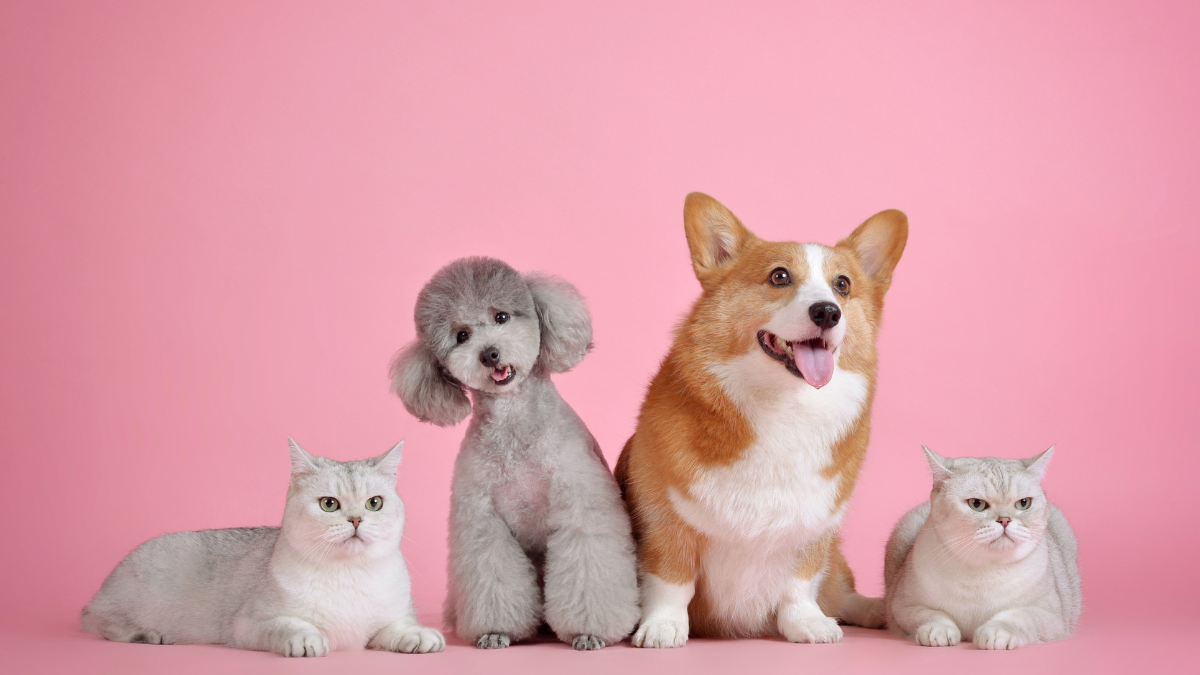
Pet Insurance for Dogs and Cats may help pet owners manage eligible veterinary expenses when an unexpected accident or illness occurs. Veterinary treatment can involve diagnostic testing, medication, emergency care, surgery, and follow-up appointments, depending on the animal’s condition.
Policies vary widely, so pet owners may benefit from reviewing deductibles, reimbursement percentages, annual limits, waiting periods, exclusions, and eligible treatments before selecting coverage.
Some plans focus strictly on accidents, while others include both accidents and illnesses. Optional wellness coverage may sometimes be available for routine services. Understanding these differences can help you compare policies based on your pet’s health needs and your household budget.
What Is Pet Insurance for Dogs and Cats?
Pet Insurance for Dogs and Cats is an insurance product designed to reimburse eligible veterinary expenses according to the terms of a policy. In many cases, the pet owner pays the veterinarian directly and submits a claim to the insurance provider. If the expense qualifies, the insurer may reimburse a percentage of the eligible cost after applying the deductible and other policy conditions.
A typical pet health insurance policy may include protection for unexpected injuries, illnesses, diagnostic procedures, prescription medications, or surgery. Coverage depends on the individual policy.
What Types of Pet Insurance Coverage Are Available?
Several policy structures are commonly available.
| Coverage Type | What It May Cover | Common Limitations |
|---|---|---|
| Accident-only | Injuries, swallowed objects, fractures, or certain emergency treatments | Illnesses typically excluded |
| Accident and illness | Eligible injuries plus covered diseases and medical conditions | Pre-existing conditions commonly excluded |
| Wellness add-on | Vaccinations, routine exams, preventive treatments, or screenings | Often involves separate limits |
| Comprehensive policies | A broader selection of eligible veterinary treatments | Premiums may be higher |
The exact terms depend on the provider, pet, location, policy level, and selected benefits.
How Does Accident and Illness Pet Insurance Work?
Accident and illness pet insurance generally combines coverage for unexpected injuries with eligible medical conditions.
For example, a policy might help with eligible costs associated with:
- Diagnostic tests
- Emergency veterinary treatment
- Hospitalization
- Surgery
- Prescription medications
- Specialist treatment
- Certain hereditary or congenital conditions
- Follow-up treatment related to a covered condition
Not every procedure or condition will qualify. Exclusions, waiting periods, age requirements, and coverage limits may apply.
What Does Dog Insurance Commonly Cover?
Dog insurance may help reimburse eligible expenses resulting from accidents or covered illnesses. Dogs can require veterinary treatment for injuries, digestive problems, infections, allergies, joint conditions, or other health concerns. Eligible services could include examinations, laboratory testing, imaging, medication, hospitalization, and surgery.
Coverage depends on the policy language. Some plans may include eligible hereditary or breed-related conditions, while others may impose restrictions. Pet owners should review these terms carefully, particularly when insuring breeds that may have increased risks for certain medical conditions.
What Does Cat Insurance Commonly Cover?
Cat insurance works in a similar way. Policies may provide reimbursement for eligible veterinary treatment resulting from accidents or illnesses.
Covered services might include:
- Diagnostic examinations
- Bloodwork
- X-rays or other imaging
- Prescription medication
- Emergency treatment
- Hospital care
- Surgery
- Treatment for certain illnesses
Indoor cats can still experience unexpected medical issues. Falls, swallowed objects, infections, urinary problems, and other conditions may require veterinary treatment.
Policy terms determine which expenses qualify.
What Is Veterinary Care Coverage?
Veterinary care coverage refers to the treatments and services a pet insurance policy may reimburse. Coverage differs from provider to provider. Some policies focus heavily on unexpected medical events, while optional wellness plans may address certain routine services. Pet owners can check the policy documents for details concerning examinations, diagnostics, medications, surgery, specialist services, rehabilitation, and emergency treatment.
How Does Pet Insurance Reimbursement Work?
Many policies use a reimbursement model.
A simplified example may look like this:
- Your pet receives eligible veterinary treatment.
- You pay the veterinary bill.
- You submit the required claim documentation.
- The insurer reviews the claim.
- Eligible expenses may be reimbursed based on the policy’s deductible, reimbursement percentage, and limits.
For example, assume an eligible veterinary bill is $1,000 and the applicable deductible has already been satisfied.
With an 80% reimbursement level, the insurer might reimburse up to $800 of eligible expenses, subject to policy exclusions and limits.
The exact calculation depends on the insurance contract.
What Factors Can Affect Pet Insurance Costs?
Pet insurance premiums can differ significantly between pets.
Common pricing factors may include:
- Species
- Breed
- Age
- Location
- Coverage level
- Annual reimbursement limit
- Deductible
- Reimbursement percentage
- Optional benefits
An older dog may have a different premium than a younger cat because insurers may assess risk differently. Changing the deductible or reimbursement percentage may affect the monthly premium as well.
Understanding Deductibles, Limits, and Reimbursement Rates
These three policy features can strongly affect both premiums and potential claim payments.
Deductible
The deductible is the amount you may need to pay before eligible reimbursement begins.
Some policies use annual deductibles. Others may structure deductibles differently.
Reimbursement Percentage
The reimbursement percentage determines how much of an eligible expense the insurer may reimburse after applicable policy requirements are met.
Common policy structures may use percentages such as 70%, 80%, or 90%, although options vary by provider.
Annual Limit
An annual limit sets the maximum amount a policy may reimburse during a policy year. Some plans have fixed annual limits, while others may have different structures.
Are Pre-Existing Conditions Covered?
Pre-existing conditions are commonly excluded from pet insurance. A pre-existing condition generally refers to a medical issue that existed or showed symptoms before coverage began or during an applicable waiting period. Definitions can differ between insurers. Some policies may treat certain curable conditions differently after a specified symptom-free period. Policy documents should explain how the insurer defines and evaluates pre-existing conditions.
Pet owners should avoid assuming that a previously diagnosed condition will qualify for reimbursement.
What Are Pet Insurance Waiting Periods?
A waiting period is the time between the policy’s effective date and the date certain coverage becomes active.
Different waiting periods may apply to:
- Accidents
- Illnesses
- Orthopedic conditions
- Specific medical conditions
Claims involving conditions that arise during a waiting period may not qualify.
Checking waiting-period rules before purchasing coverage can help avoid unexpected claim issues.
Does Pet Insurance Cover Routine Veterinary Care?
Standard accident and illness policies commonly focus on unexpected medical expenses rather than routine preventive services.
Routine services can include:
- Annual examinations
- Vaccinations
- Flea or tick prevention
- Dental cleaning
- Routine blood tests
- Preventive screening
Some insurers may provide optional wellness plans that reimburse certain preventive expenses.
Wellness benefits should be reviewed separately from traditional insurance because coverage rules and reimbursement structures may differ.
What Should You Compare Before Choosing Pet Insurance?
When comparing pet insurance coverage, review the full policy instead of focusing solely on the monthly premium.
Key points include:
| Policy Feature | What to Check |
|---|---|
| Monthly premium | Amount paid to maintain coverage |
| Deductible | Amount you may pay before reimbursement |
| Reimbursement rate | Percentage of eligible costs the policy may reimburse |
| Annual limit | Maximum eligible reimbursement during the policy year |
| Waiting periods | Time before certain coverage starts |
| Exclusions | Conditions, treatments, or expenses not covered |
| Age restrictions | Enrollment or coverage rules based on pet age |
| Pre-existing conditions | How previous conditions are defined and treated |
A lower premium could come with a higher deductible, lower reimbursement percentage, tighter annual limit, or additional exclusions.
Is Pet Insurance Worth Considering?
Pet insurance may be useful for households that want help managing certain unexpected veterinary expenses.
Its potential value depends on several factors, including:
- Your pet’s age
- Breed-related health risks
- Your financial situation
- Local veterinary costs
- Policy exclusions
- Deductible
- Reimbursement percentage
- Annual coverage limit
Insurance does not eliminate veterinary expenses. Depending on the policy, you may still need to pay deductibles, copayments, excluded services, and costs above policy limits.
Frequently Asked Questions About Pet Insurance for Dogs and Cats
Can you insure both dogs and cats?
Yes. Pet insurance policies are commonly available for both dogs and cats. Coverage terms and premiums may differ according to the animal’s age, breed, location, and selected policy.
Does pet insurance pay the veterinarian directly?
Many policies reimburse the pet owner after treatment. Some insurers may support other payment arrangements in certain situations. Check the policy terms for details.
Can older pets get insurance?
Some insurers allow older pets to enroll, although age restrictions and pricing may apply. Coverage availability varies by provider.
Does pet insurance cover emergency treatment?
Emergency veterinary treatment may qualify when it relates to a covered accident or illness. Deductibles, exclusions, reimbursement limits, and waiting periods may still apply.
Does pet insurance cover surgery?
Eligible surgery may be covered when it is medically necessary for a covered condition. Coverage depends on policy terms and exclusions.
Can pet insurance help with prescription medications?
Some accident and illness policies may reimburse eligible prescription medications associated with covered conditions. Medication coverage varies between plans.
Reviewing Pet Insurance Before Choosing a Policy
Pet Insurance for Dogs and Cats may provide financial assistance for eligible veterinary expenses resulting from covered accidents and illnesses. Coverage can vary considerably between policies, making careful comparison important. Review the deductible, reimbursement percentage, annual limit, waiting periods, exclusions, eligible treatments, and rules concerning pre-existing conditions before purchasing a policy.
Comparing these factors alongside the monthly premium may help you identify coverage that fits your pet’s needs and your household budget without relying solely on price.
Leave a Reply