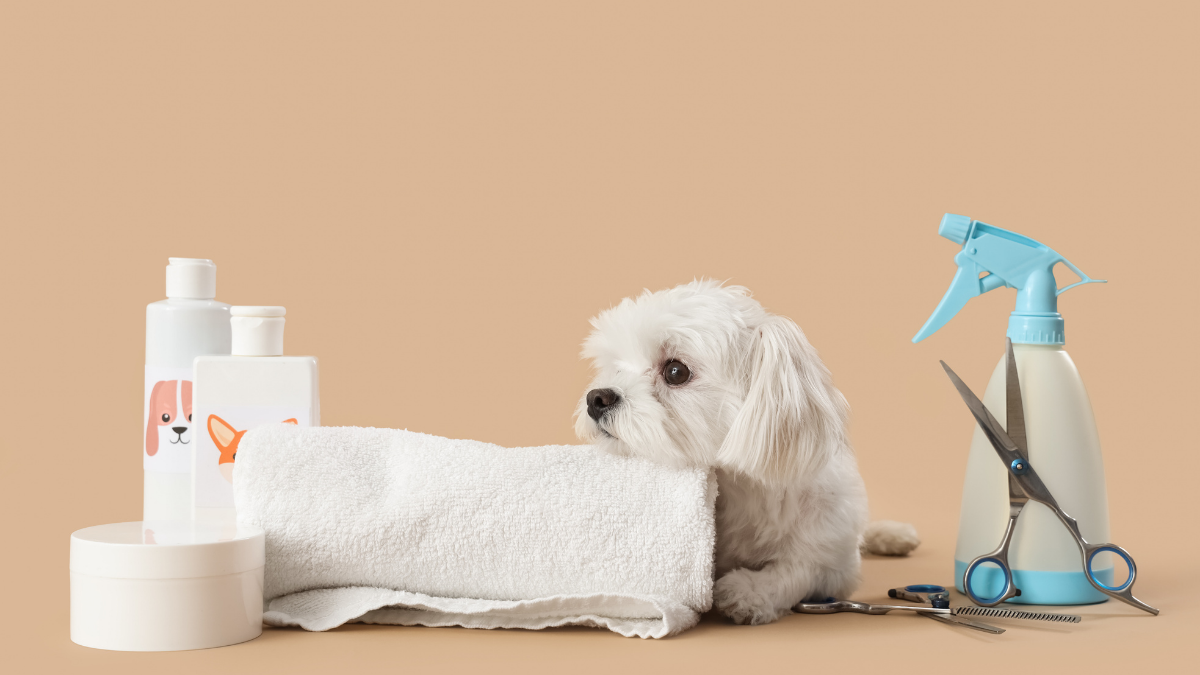
Keeping your dog clean involves more than an occasional bath. The right dog grooming supplies can help you maintain a healthy coat, trim overgrown nails, clean sensitive areas, and make everyday grooming easier at home.
A simple grooming routine may also help you notice changes in your dog’s skin, coat, ears, or paws before they become bigger concerns.
From brushes and shampoos to nail clippers and grooming wipes, there are plenty of products available.
Dog Grooming Supplies Every Pet Owner Should Consider
A useful grooming kit does not need to contain dozens of products. Instead, focus on essentials that match your dog’s coat type and regular grooming requirements.
Common supplies include:
- Dog brushes and combs
- Dog shampoo and conditioner
- Nail clippers or grinders
- Ear-cleaning products
- Grooming wipes
- Toothbrushes and dog toothpaste
- Grooming scissors or clippers
- Towels and drying supplies
Some dogs may require specialized tools, especially breeds with long, curly, thick, or double coats.
1. Dog Brushes and Combs
Brushing is one of the simplest ways to maintain your dog’s coat. Regular brushing can remove loose fur, dirt, and small tangles while distributing natural oils throughout the coat.
Different brushes serve different purposes:
| Grooming Tool | Common Use | Often Suitable For |
|---|---|---|
| Slicker brush | Removing loose hair and tangles | Medium, long, or curly coats |
| Bristle brush | Smoothing and removing surface debris | Short and smooth coats |
| Pin brush | Gentle everyday brushing | Long or silky coats |
| Undercoat rake | Removing loose undercoat | Thick and double-coated dogs |
| Grooming comb | Finding tangles and finishing the coat | Many coat types |
2. Dog Shampoo and Conditioner
Human shampoos generally are not designed for a dog’s skin, so a shampoo formulated specifically for dogs is a better choice for routine bathing.
When comparing dog shampoo, look for formulas appropriate for your dog’s skin and coat. Options may include moisturizing, fragrance-free, sensitive-skin, puppy, or deodorizing formulas.
Dog conditioner can be helpful for longer coats that become tangled easily. Always follow the product directions carefully and rinse the coat thoroughly.
If your dog experiences persistent itching, redness, sores, unusual odor, or hair loss, consider consulting a veterinarian rather than repeatedly trying different grooming products.
3. Nail Clippers and Grinders
Overgrown nails may make walking uncomfortable and can affect how a dog places its paws on the ground. Nail care is therefore an important part of routine grooming.
Two common options are:
Dog nail clippers: These manually cut the nail and are available in several sizes.
Nail grinders: These gradually file down the nail using a rotating grinding surface.
Whichever option you choose, take care to avoid cutting into the quick, which contains blood vessels and nerves.
If you are unsure how to trim your dog’s nails safely, a veterinarian or professional groomer can demonstrate the correct technique.
4. Dog Grooming Clippers
For dogs requiring regular coat trimming, dog grooming clippers can make at-home maintenance more manageable.
Features worth considering include:
- Multiple blade or comb lengths
- Low-noise operation
- Comfortable grip
- Easy-to-clean blades
- Corded or cordless operation
- Suitable power for your dog’s coat thickness
Clippers should move smoothly through clean, brushed fur. Mats and severe tangles may require professional attention because cutting close to the skin can cause accidental injuries.
5. Grooming Scissors
Grooming scissors can provide greater control around smaller areas such as the paws and portions of the face.
Rounded-tip grooming scissors may offer an additional margin of safety, but careful handling remains important. Dogs can move suddenly, so avoid placing scissors close to sensitive areas if your dog is restless.
6. Dog Ear-Cleaning Supplies
Ear care may be particularly important for dogs with floppy ears or those prone to ear problems.
A basic ear-care kit might include veterinarian-recommended dog ear cleaner, cotton pads, and a soft towel. Avoid inserting cotton swabs or other objects deeply into the ear canal.
Redness, swelling, discharge, persistent scratching, head shaking, or a strong odor can indicate an ear problem that should be evaluated by a veterinarian.
7. Dog Dental Care Supplies
Dental care deserves a place alongside other pet grooming essentials. Dog toothbrushes, finger brushes, and toothpaste formulated for dogs can help support routine oral hygiene.
Never substitute human toothpaste unless a veterinarian specifically directs you to do so. Some ingredients found in products intended for people can be unsafe for dogs.
8. Grooming Wipes
Dog grooming wipes are convenient for quick cleanups between baths. They can be useful after walks or outdoor play, particularly for cleaning paws and surface dirt.
Look for wipes specifically labeled for pets and check where the manufacturer says they can safely be used. Products intended for general household cleaning should not be used on your dog’s skin or coat.
9. Towels and Drying Supplies
A highly absorbent towel can make post-bath cleanup considerably easier. Microfiber pet towels are popular because they can absorb water while remaining relatively lightweight.
Some owners also use pet-specific dryers for dogs with dense coats. If using a dryer, keep the temperature comfortable and avoid directing strong airflow toward the dog’s eyes, ears, or other sensitive areas.
How Do You Choose the Right Dog Grooming Supplies?
Start with your dog’s individual needs. Coat length, thickness, shedding level, skin sensitivity, size, age, and temperament can all influence which grooming products are appropriate.
Before purchasing grooming supplies, consider:
- Coat type: Short-haired and double-coated dogs typically require different brushes.
- Dog size: Nail clippers, brushes, and other tools should be appropriately sized.
- Skin sensitivity: Gentle or fragrance-free formulas may be preferable for sensitive dogs.
- Ease of cleaning: Washable and removable components can simplify maintenance.
- Comfort: Ergonomic tools can make longer grooming sessions easier.
- Safety features: Rounded tips, blade guards, and nonslip handles can provide better control.
How Often Should You Groom Your Dog?
There is no single schedule that works for every dog. Grooming frequency varies according to breed, coat, lifestyle, shedding patterns, and individual health needs.
Short-haired dogs may require relatively simple coat maintenance, while long-haired or curly-coated breeds can need frequent brushing to prevent tangles. Dogs that spend considerable time outdoors may also require more frequent paw cleaning and coat checks.
Bathing frequency should likewise reflect your dog’s needs. Excessive bathing with unsuitable products can dry the skin, while waiting too long between baths may allow dirt and odor to accumulate.
How to Make At-Home Dog Grooming Easier
Introduce grooming gradually, especially with puppies or dogs unfamiliar with brushes, clippers, and nail tools. Short sessions can help your dog become comfortable without turning grooming into a stressful experience.
Keep tools within reach before beginning, work in a quiet location, and reward calm behavior. Regular handling of your dog’s paws, ears, and coat may also make future grooming sessions easier.
If your dog becomes highly anxious, aggressive, or difficult to handle, professional grooming assistance may be safer for both you and your pet.
When Should You Consider a Professional Groomer?
Home grooming can handle many routine tasks, but professional services can be valuable for complicated coat maintenance, severe matting, breed-specific haircuts, or dogs that are difficult to groom safely.
Professional groomers have specialized equipment and experience working with different coat types. Veterinarians should handle concerns involving skin infections, painful ears, wounds, unusual lumps, persistent itching, or other possible health problems.
Building a Practical Dog Grooming Kit
You do not need every grooming product available. A basic kit containing an appropriate brush, dog shampoo, nail-care tool, toothbrush, grooming wipes, and absorbent towel can cover many everyday needs.
As you become familiar with your dog’s grooming routine, you can add specialized dog grooming tools such as undercoat rakes, clippers, conditioners, or grooming combs when necessary.
Keeping Your Dog Comfortable With the Right Grooming Routine
Choosing suitable dog grooming supplies can make regular coat, nail, dental, ear, and paw care easier to manage. The best grooming kit is one tailored to your dog’s coat type, size, comfort level, and everyday needs.
Consistent grooming can help keep your dog looking tidy while giving you regular opportunities to check its skin, coat, paws, ears, and overall condition.
Leave a Reply