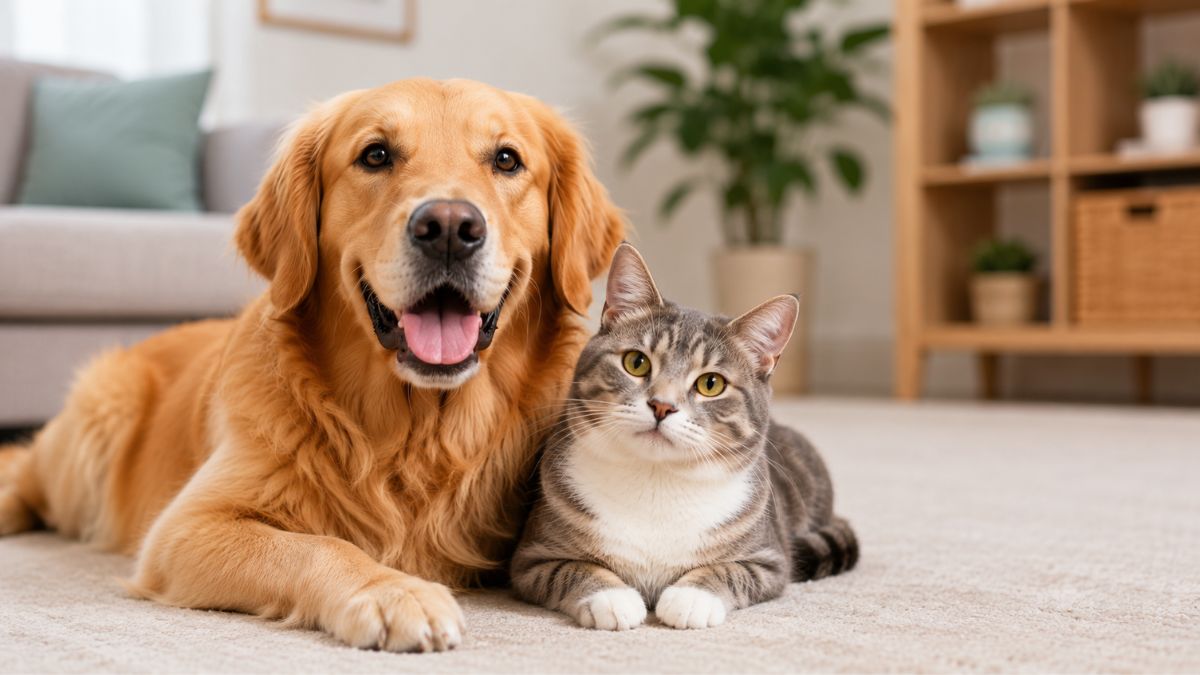
Unexpected veterinary bills can quickly disrupt your budget, especially when your pet experiences an accident or develops a serious illness.
Emergency surgeries, diagnostic testing, medications, and follow-up care often cost far more than many owners anticipate. Before choosing pet insurance, you should compare reimbursement rates, deductibles, annual coverage limits, claim processing speed, exclusions, and overall flexibility instead of focusing only on monthly premiums.
Taking a balanced approach helps you understand how much financial support you may receive during unexpected emergencies while ensuring the policy fits both your budget and your pet’s long-term healthcare needs.
How Fetch Pet Insurance Claims Work
Understanding the reimbursement process before an emergency occurs can help you make informed decisions when your pet needs immediate care.
The Claims Process
Fetch uses a reimbursement model that allows you to choose your preferred licensed veterinarian.
The typical process includes:
- Pay your veterinarian after treatment.
- Submit your invoice and medical records through the app or online portal.
- Wait for claim review.
- Receive reimbursement based on your policy terms.
Many policies may include:
- Up to 90% reimbursement
- Annual deductibles starting around $300
- Annual coverage limits up to $15,000
- Accident and illness protection
- Optional wellness coverage
Because you are not restricted to a provider network, you maintain flexibility when selecting veterinary care.
Example Claim: A Dog With a Broken Leg
Looking at a realistic reimbursement example helps you understand how insurance may reduce large emergency expenses.
Treatment and Estimated Reimbursement
A broken leg often requires:
- X-rays
- Sedation
- Anesthesia
- Orthopedic surgery
- Antibiotics
- Pain medication
A typical treatment bill may total about $3,601, including medications.
With a policy featuring a $300 deductible and 90% reimbursement, the estimated reimbursement could reach approximately $2,940. Although you initially pay the full invoice, reimbursement may significantly reduce your out-of-pocket expenses after claim approval.
Actual reimbursement depends on your selected policy and eligible expenses.
Other Eligible Claim Examples
Emergency injuries are only one reason pet owners submit claims. Many illness-related treatments may also qualify depending on policy terms.
Common Conditions
Examples may include:
- Cat stomatitis treatment
- Diagnostic laboratory testing
- Tooth extractions
- Hospitalization
- Prescription medications
- Surgery for covered illnesses
- Certain preventive procedures when wellness coverage is added
Coverage varies according to waiting periods, exclusions, and your individual policy.
Claims Processing Timeline
Knowing when reimbursements typically arrive can help you prepare financially after a veterinary visit.
What You Can Expect
After submitting your documentation:
- Most claims are processed within about 15 days.
- Direct deposit may arrive within two days after approval.
- Claim status can be tracked online or through the mobile app.
Complex claims or missing documentation may require additional review, so timelines can vary.
Covered Services and Potential Exclusions
Reviewing both benefits and exclusions helps you evaluate whether a policy matches your expectations.
Services Often Covered
Eligible policies commonly reimburse:
- Accidents and injuries
- Illnesses and chronic conditions
- Surgeries
- Hospitalization
- X-rays and laboratory testing
- Prescription medications
Common Exclusions
You should also understand that:
- Pre-existing conditions are generally excluded.
- Preventive care usually requires an optional wellness plan.
- Cosmetic or elective procedures are not typically covered.
- Individual policies may contain additional exclusions and waiting periods.
Understanding these details before enrolling helps prevent unexpected surprises later.
Advantages and Considerations Before You Enroll
Every insurance provider offers strengths and trade-offs, making balanced evaluation important before purchasing.
Reasons You May Appreciate This Coverage
You may appreciate:
- High reimbursement percentages for eligible claims
- Simple digital claims submission
- Flexible veterinarian choice
- Direct deposit payment options
- Broad accident and illness protection
- Transparent reimbursement examples
Factors You Should Evaluate Before Choosing a Plan
You should also consider:
- Paying veterinary bills upfront
- Annual deductibles before full reimbursement
- Wellness coverage costs extra
- Some treatments may not qualify
- Processing times vary depending on claim complexity
These considerations may influence whether a reimbursement-based policy fits your financial situation.
Who May Benefit Most
Your circumstances play a significant role in determining whether this type of insurance is worthwhile.
A reimbursement model may work well if you:
- Want protection against costly emergencies
- Prefer digital claims management
- Have a pet without pre-existing conditions
- Value choosing your own veterinarian
- Appreciate transparent reimbursement examples
However, if you prefer insurers that pay veterinarians directly, you may wish to compare alternative policy structures before deciding.
Is This Coverage the Right Choice for Your Pet
Understanding how reimbursements work before an emergency occurs allows you to make more confident decisions about your pet’s healthcare.
While upfront payment requirements and policy exclusions deserve careful consideration, the combination of comprehensive accident and illness coverage, flexible veterinarian choice, and relatively straightforward claims processing may provide valuable financial protection for many households.
Carefully compare deductibles, reimbursement rates, coverage limits, and exclusions before enrolling to determine whether the policy aligns with your needs. When you’re ready to explore insurance options and other helpful pet products, browse Fetch for more gift ideas that support your pet’s health and well-being.
Leave a Reply