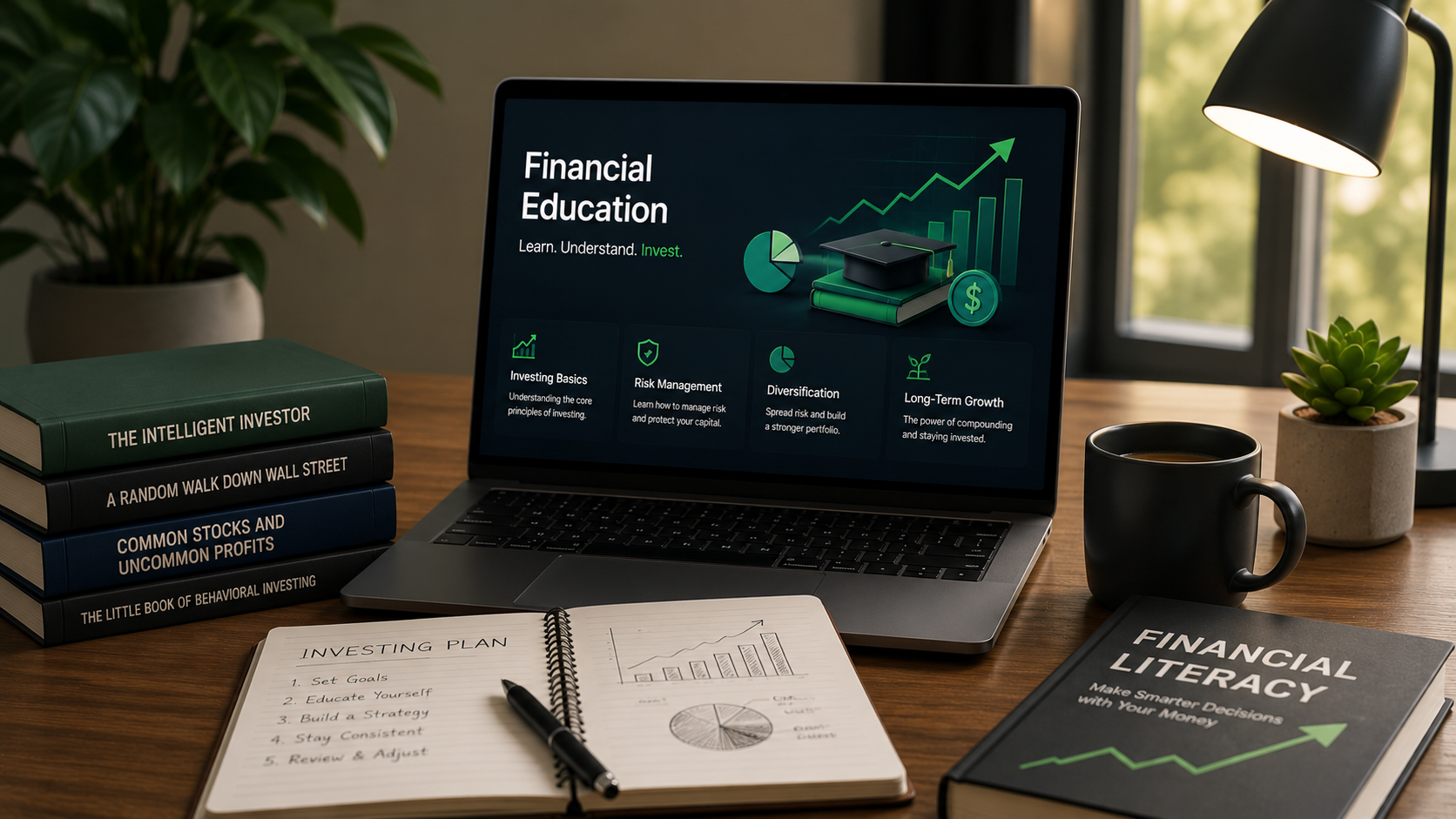
Money has a funny way of disappearing fast when your financial habits stay on autopilot. One expensive food delivery here, one unused subscription there, and suddenly your paycheck starts looking smaller every month. That’s exactly why financial education matters more today than ever before.
You deal with rising prices, credit card offers, student loans, and endless online spending temptations almost every day. Without a solid understanding of money management, small financial mistakes can quietly grow into bigger problems over time.
According to the National Financial Educators Council, many Americans believe poor financial knowledge has cost them thousands of dollars annually through debt, bad spending decisions, and missed savings opportunities.
The good news is that improving your money skills does not require a finance degree. Small changes can create a huge difference in how you budget, save, invest, and plan for the future.
Why Financial Education Gives You More Control Over Daily Spending
Financial education helps you understand where your money goes every month. Once you start tracking spending habits, patterns become much easier to spot.
For example, many budgeting apps now show spending categories automatically. Apps like YNAB (You Need A Budget) start at $14.99 per month on the official website, while EveryDollar offers a free version with optional premium upgrades around $17.99 monthly. These tools help you monitor bills, subscriptions, groceries, and entertainment expenses in one place.
Many people notice improvements within the first few weeks of using budgeting tools consistently. One common result includes fewer impulse purchases because you can actually see how much money leaves your account daily.
Helpful spending habits include:
- Checking account balances before shopping
- Setting weekly spending limits
- Reviewing subscriptions every month
- Tracking dining and delivery expenses
- Creating separate savings categories
These small adjustments often reduce financial stress surprisingly fast.
How Budgeting for Beginners Helps You Avoid Common Money Mistakes
Budgeting sounds boring until your bank account suddenly drops lower than expected.
A simple budget creates structure around your income. Instead of wondering where your money disappeared, you can clearly see how much goes toward rent, food, debt payments, transportation, and savings.
The 50/30/20 budgeting method remains popular because it feels manageable for most households:
| Budget Category | Suggested Percentage |
|---|---|
| Needs | 50% |
| Wants | 30% |
| Savings & Debt | 20% |
You can adjust these percentages based on your income and living costs.
Many beginners struggle with budgeting during the first month because tracking expenses feels repetitive. That frustration is normal. Over time, budgeting becomes quicker and far less stressful.
One useful trick involves setting automatic transfers into savings immediately after payday. This removes the temptation to spend extra cash before saving it.
What Financial Literacy Programs Actually Teach You
Financial literacy programs cover much more than basic saving advice. Strong programs usually teach practical life skills that directly affect your everyday finances.
Topics often include:
- Credit score management
- Loan repayment strategies
- Retirement planning
- Emergency fund building
- Insurance basics
- Tax planning
- Investing fundamentals
Platforms like Khan Academy provide free financial literacy lessons online. Coursera also offers personal finance courses from universities, with many courses available free to audit.
Ramsey+ costs around $59.99 annually through the official website and focuses heavily on debt reduction and budgeting systems.
Some programs lean heavily toward strict budgeting systems, while others focus more on investing and long-term wealth building. Different approaches work better for different personalities and income levels.
That variety helps you find financial guidance that actually fits your lifestyle.
Why Money Management Skills Matter More Than High Income
A larger paycheck does not automatically solve financial problems.
Many high-income earners still struggle with debt because spending habits stay unchecked. On the other hand, people with moderate incomes often build strong savings through disciplined money management skills.
A 2024 report from the Federal Reserve showed many Americans still face difficulty covering emergency expenses without borrowing money or using credit cards. That reality highlights how important financial habits remain at every income level.
Good money management usually includes:
- Paying bills on time
- Keeping credit utilization low
- Building emergency savings
- Avoiding emotional spending
- Reviewing financial goals regularly
One common mistake involves lifestyle inflation. As income grows, spending often grows at the same speed. Financial education helps you recognize that pattern before it creates long-term problems.
Investing for Beginners Feels Less Confusing With Basic Financial Education
Investing often sounds intimidating because financial terminology can feel overwhelming at first.
Terms like index funds, ETFs, compound interest, and diversification scare many beginners away from investing entirely. Financial education simplifies those concepts into manageable steps.
For example, Fidelity currently allows investors to open brokerage accounts with no account minimums through its official website. Vanguard and Charles Schwab also offer beginner-friendly investment platforms with broad index fund options.
Here’s a quick comparison:
| Investment Platform | Minimum Investment | Best For |
|---|---|---|
| Fidelity | $0 | Beginners |
| Vanguard | Varies by fund | Long-term investors |
| Charles Schwab | $0 | New investors |
| Robinhood | $0 | Mobile investing |
Some investors prefer traditional retirement accounts like Roth IRAs because of tax advantages. Others focus first on employer-sponsored 401(k) plans.
There’s no perfect starting point for everyone. Your goals, income, and risk tolerance all shape the best strategy for you.
Saving Money Strategies That Actually Work Long Term
Extreme saving advice often fails because it feels too restrictive.
Cutting every enjoyable expense usually leads to frustration and burnout. Sustainable saving strategies work better because they allow flexibility.
Helpful long-term saving strategies include:
- Using cashback rewards carefully
- Cooking more meals at home
- Buying generic household products
- Waiting 24 hours before impulse purchases
- Automating savings transfers
High-yield savings accounts also help your money grow faster than traditional accounts. As of 2026, several online banks continue offering competitive annual percentage yields above many standard brick-and-mortar banks.
Still, interest rates change frequently, so checking official bank websites remains important before opening an account.
First-Hand Experience Shows Small Financial Changes Add Up Fast
Many people notice meaningful progress through small consistent habits rather than dramatic lifestyle changes.
One case study involved a young professional who started tracking every expense for three months using a budgeting app. Restaurant spending dropped naturally after reviewing weekly reports.
That adjustment alone freed up hundreds of dollars monthly without completely eliminating dining out.
Another example involved paying off high-interest credit card debt using the avalanche method. Focusing extra payments on the highest interest balance reduced total interest costs significantly over time.
Financial education works best when practical lessons connect directly to your daily routines. Complex strategies often matter less than consistent habits.
Common Concerns About Financial Education
Some people avoid financial education because money topics feel stressful or overwhelming.
Others believe financial success requires advanced math skills or expensive advisors. In reality, most personal finance concepts involve basic habits and simple calculations.
Here are a few common concerns:
| Concern | Reality |
|---|---|
| “Budgeting takes too much time” | Most apps automate tracking |
| “Investing feels risky” | Diversified investing lowers risk over time |
| “Saving money feels impossible” | Small amounts still build momentum |
| “Finance is too complicated” | Basic concepts stay fairly simple |
You do not need perfect financial knowledge to improve your money habits. Even small improvements create measurable results over time.
Why Financial Education Helps Reduce Stress and Improve Confidence
Money problems affect more than your bank account. Financial stress can influence sleep, relationships, work performance, and mental health.
Financial education creates clarity around decisions that once felt confusing. When you understand budgeting, debt management, and saving strategies, everyday financial choices become less stressful.
Confidence grows gradually through repetition. Paying bills on time, building emergency savings, and understanding investing basics all contribute to greater financial stability.
That sense of control often becomes one of the biggest long-term benefits of learning personal finance skills.
Conclusion
Financial education gives you practical tools that improve everyday money decisions. You learn how to budget smarter, reduce unnecessary spending, build savings, and approach investing with more confidence.
Those skills become more valuable as living costs continue rising and financial products grow more complex.
You do not need to master every financial topic overnight. Small changes usually create the strongest long-term results. Tracking spending, reviewing subscriptions, and building consistent saving habits can already move you in the right direction.
Take one small financial step today. Download a budgeting app, review your monthly expenses, or explore a free financial literacy course online. Your future finances will likely thank you for it.
Leave a Reply