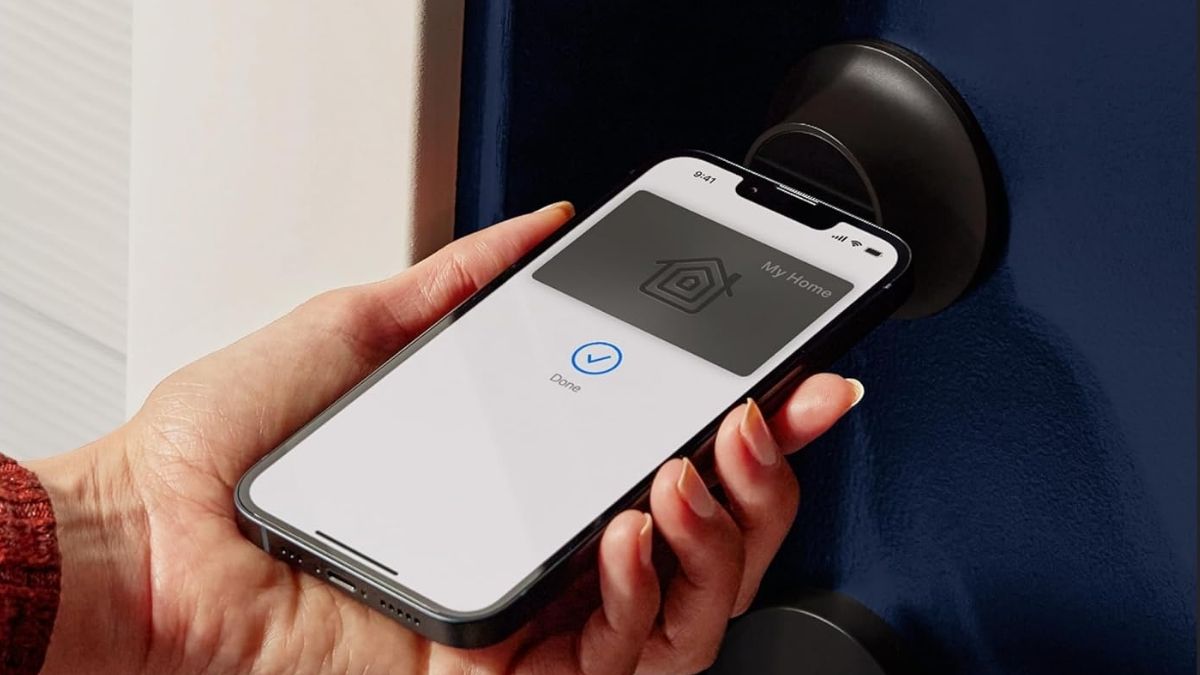
Smart locks have rapidly moved from novelty to necessity, especially for homeowners and renters building connected living spaces.
When paired with Alexa, these locks bring voice control, automation, and real-time monitoring directly into your daily routine. Instead of wondering whether you locked the door or handing out spare keys, you gain visibility and control that traditional locks simply can’t offer.
Alexa-compatible smart locks integrate seamlessly with Amazon Echo devices, allowing you to check door status, lock your home, and trigger routines with simple voice commands. According to smart home adoption trends, voice-controlled security features are among the fastest-growing categories, largely because they solve real-world problems rather than just adding flashy features.
How Alexa-Compatible Smart Locks Work
These smart locks connect using Wi-Fi, Bluetooth, Z-Wave, or Zigbee, depending on the model. Once linked through the manufacturer’s app and enabled in Alexa, you can control the lock using voice commands or routines. For security, unlocking by voice usually requires a spoken PIN, ensuring someone outside your door can’t gain access just by shouting through a window.
From an EEAT standpoint, reputable brands clearly explain their encryption standards, firmware update schedules, and data privacy practices. This transparency matters, especially when dealing with a device that protects your home’s primary entry point.
Everyday Benefits You’ll Notice Quickly
Living with an Alexa-compatible smart lock changes how you interact with your home. Instead of checking doors manually, you can confirm lock status from bed or while away. If a delivery arrives early or a guest needs temporary access, you can handle it remotely without stress.
Smart locks also eliminate the risks tied to lost keys. Digital access codes can be revoked instantly, giving you far more control than traditional hardware ever could. When paired with Alexa routines, your lock becomes part of a wider system that responds intelligently to your habits.
Types of Alexa-Compatible Smart Locks
Not all smart locks are designed the same, and choosing the right type is more important than choosing the most expensive option.
Built-in Wi-Fi smart deadbolts appeal to homeowners who want a straightforward setup without extra hubs. Retrofit smart locks are popular with renters because they keep existing keys and hardware intact. Modular smart locks allow flexibility for users planning to expand their smart home ecosystem over time.
Some households benefit from multi-access smart locks that support fingerprints, keypads, apps, and physical keys. Others prefer budget-friendly options that focus on essential Alexa features without advanced extras. The best choice depends on how many people need access, how often codes change, and how comfortable you are managing smart devices.
Strengths and Realistic Limitations
Smart locks provide clear advantages, but they’re not without trade-offs. On the positive side, they reduce key-related risks, provide activity logs, and integrate easily with cameras and lighting. On the other hand, they rely on batteries and internet connectivity. Wi-Fi models tend to drain batteries faster, and voice commands won’t function during outages.
Understanding these limitations helps set realistic expectations and ensures satisfaction long term.
Installation and Setup Experience
Most Alexa-compatible smart locks install with basic tools, usually just a screwdriver. The process typically involves replacing or adapting your existing deadbolt, installing batteries, connecting the app, and enabling Alexa integration. While door alignment and Wi-Fi signal strength can cause minor issues, most manufacturers offer detailed guides and responsive support.
Smart Home Automation Potential
The real value of an Alexa-compatible smart lock emerges when it’s part of a broader smart home setup. You can create routines that lock doors automatically when you leave, activate security cameras at night, or turn on lights when the door unlocks after dark. These automations enhance both convenience and safety, turning individual devices into a cohesive system.
Final Thoughts: Is an Alexa Smart Lock Worth It?
Alexa-compatible smart locks offer more than convenience—they provide control, awareness, and peace of mind. When selected thoughtfully, they integrate naturally into your daily life without compromising security. The key is matching features to your actual needs rather than chasing every available option.
Before buying, consider your door type, household size, and comfort level with technology. A well-chosen smart lock becomes a long-term upgrade rather than a short-lived gadget.
Key takeaways before you choose:
- Think about whether you rent or own your home
- Decide if built-in Wi-Fi or hub-based systems suit you better
- Prioritize security transparency and firmware updates
- Plan how the lock will fit into Alexa routines
- Balance budget with long-term reliability
To complete your setup, explore Amazon Smart Home products that pair seamlessly with Alexa-compatible smart locks. Browse their collection for more smart home gift ideas and build a connected home that truly works around you.
Leave a Reply