The scratching in your walls at night. The sudden scurrying across your kitchen floor.
Few household problems are as unsettling as a pest infestation. According to the National Pest Management Association, over 21 million U.S. homes experience rodent invasions each winter. Chemical sprays and traps often raise safety concerns, especially around children and pets.
That’s why ultrasonic pest repellent plug-ins have become a go-to solution for those seeking a safer, non-toxic alternative.
But do they truly deliver results? Let’s unpack how they work, where they succeed, and how to use them effectively in your home.
How Ultrasonic Pest Repellents Work
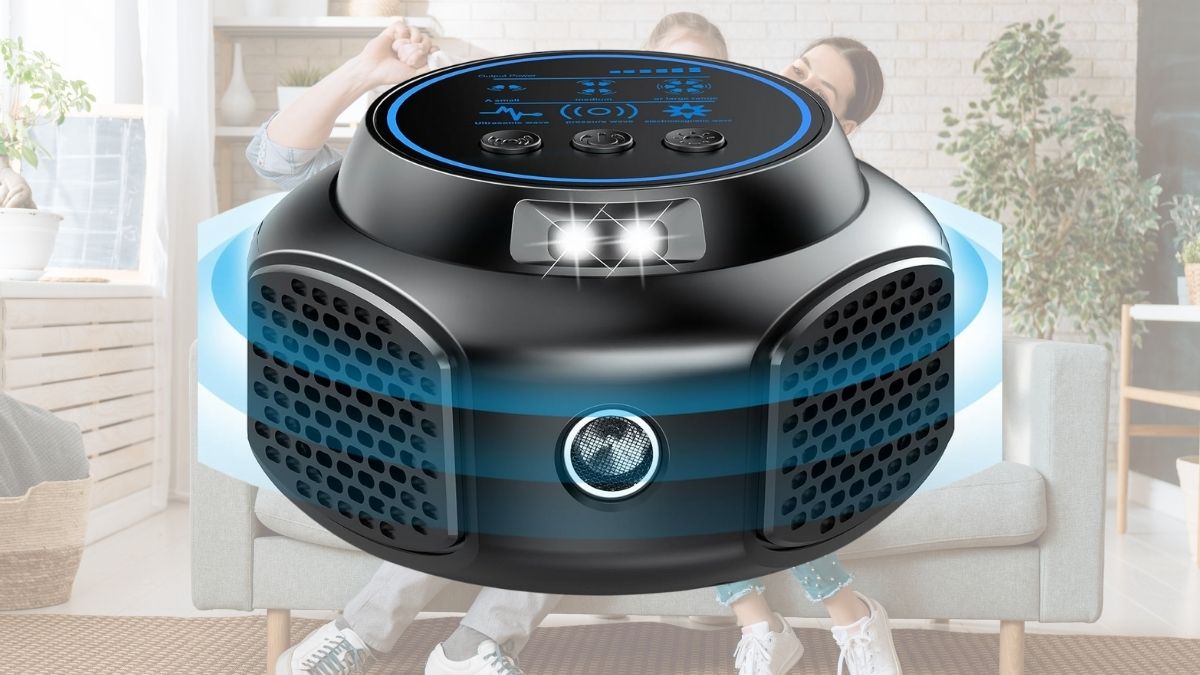
Ultrasonic repellers emit high-frequency sound waves (typically between 10 kHz and 65 kHz) that disrupt pests’ nervous systems and communication patterns. While humans can’t hear these frequencies, many pests find them unbearable.
Rodents, for example, have extremely sensitive hearing. The constant exposure to ultrasonic frequencies creates discomfort that drives them to seek quieter areas. Some advanced models even combine electromagnetic pulses with ultrasonic waves, sending disturbances through wiring to extend coverage.
Importantly, these frequencies are harmless to people and most pets. Dogs and cats generally tolerate the sound, though smaller mammals like hamsters and rabbits might not.
Key Features of Effective Ultrasonic Repellers
Not all ultrasonic repellers perform equally. Effectiveness depends on several technical and environmental factors:
- Coverage area: Most devices protect around 1,200 square feet under ideal conditions.
- Energy use: Typically only 3–5 watts, making them highly energy efficient.
- Ease of use: Plug-and-play operation—no batteries or installation required.
- LED indicators: Offer confirmation that the device is running properly.
- Placement height: Position units 10–50 inches from the floor in open areas for best sound distribution.
- Certifications: Look for UL, CE, or FCC compliance for safety assurance.
Proper placement makes a big difference. Ultrasonic waves travel in straight lines, so avoid hiding the unit behind furniture or curtains.
Setting Realistic Expectations
You’ll likely need 1–3 weeks of continuous use before seeing clear results. It’s also common to notice more pest activity at first—a sign that the repeller is disrupting their hiding spots.
However, these devices have limitations. Ultrasonic waves can’t penetrate walls or large objects, creating “sound shadows” where pests may persist. Multiple units may be necessary for full coverage.
Effectiveness also varies by species—rodents respond best, while results for ants and cockroaches can be inconsistent. For this reason, ultrasonic repellers work best as part of a broader pest management plan, not as a standalone fix.
Installation and Placement Tips
To maximize performance:
- Focus on problem areas—kitchens, basements, garages, and attics.
- Avoid placing behind objects that block sound.
- Maintain proper height and clear line of sight.
- Use one unit per room, especially in spaces larger than 1,000 square feet.
- In kitchens, position near food storage (but away from loud appliances).
- In basements, target entry points like vents and pipe openings.
If you see little improvement after two weeks, try repositioning the unit to a new outlet. Even a small adjustment can help sound waves reach new areas.
Safety for Humans and Pets
Ultrasonic repellers are considered safe for humans and most household pets. They emit sound at levels below harmful thresholds and produce no toxins, fumes, or residues.
That said, small mammals—such as guinea pigs, rabbits, or hamsters—may react negatively to the frequencies. In those cases, place devices in separate rooms.
Those using hearing aids or who are sensitive to electromagnetic emissions should test the device briefly before long-term use.
Compared to chemical pest control, ultrasonic repellers carry virtually no toxicity risks, making them ideal for homes with children, elderly residents, or anyone with allergies.
Combining with Other Pest Control Methods
Ultrasonic repellers are most effective when paired with good home maintenance practices:
- Seal entry points around pipes, vents, and foundations with caulk or steel wool.
- Keep food sealed and clean up spills immediately.
- Use natural deterrents like peppermint or eucalyptus oil near doorways.
- Add traps to confirm pest reduction and manage existing infestations.
This integrated approach enhances the repeller’s impact and ensures longer-term results.
Real-World Performance and Value
Field studies suggest these devices perform best against rodents, while results with insects vary. Consumer surveys show that 60–70% of users report noticeable pest reduction—especially when using multiple units and proper placement.
At an average cost of $20–60 per unit, they provide good value for light to moderate infestations, especially compared to recurring exterminator visits. Their chemical-free design also makes them a sustainable choice for eco-conscious households.
While not a cure-all, ultrasonic pest repellent plug-ins offer a practical and safe addition to your pest control toolkit—particularly as a preventive solution for maintaining a pest-free home.
This product is part of Amazon New Releases in the Home & Kitchen category. Explore more ultrasonic pest repellent plug-ins and other innovative pest control solutions available on Amazon.
Leave a Reply