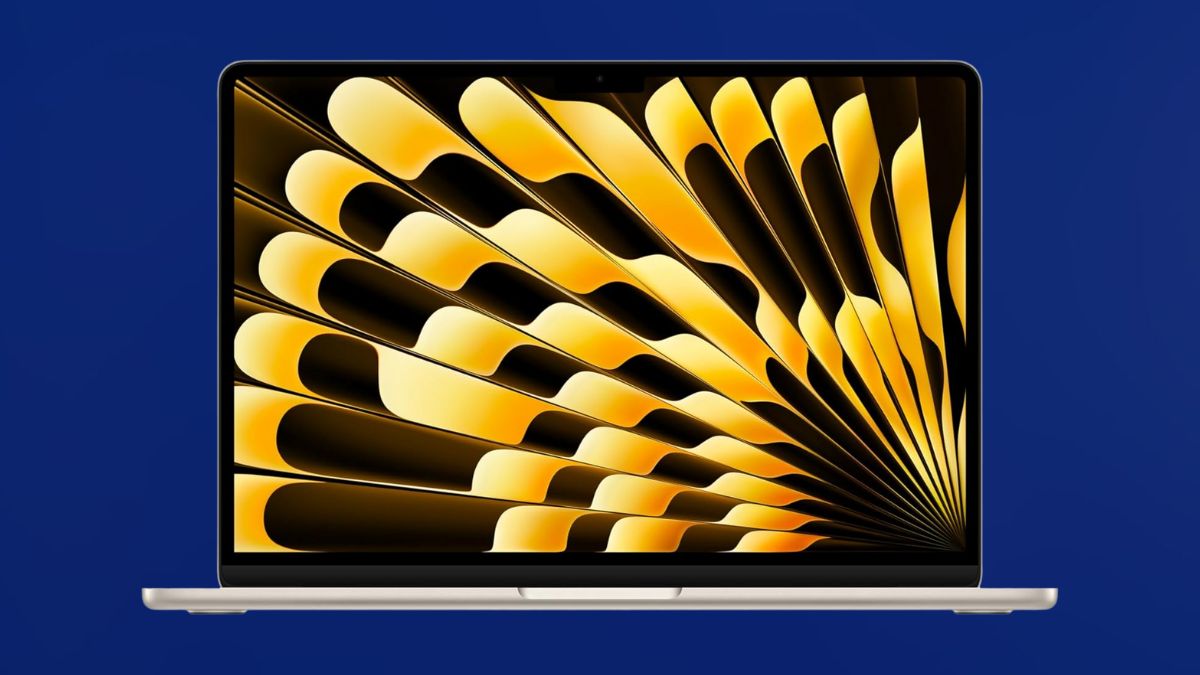
In a category that thrives on compromise, the 2025 MacBook Air 13-inch with M4 chip sets a different tone. It no longer feels like the “light version” of something better.
Instead, Apple has doubled down on refining what the Air does best—sheer portability, intuitive performance, and battery life—while solving the memory limitations and expandability issues that plagued earlier versions.
So why does this particular model feel like more than just another update?
Apple finally listened to its power users—without making the Air heavier
Most previous Air models prioritized form over headroom. The jump from 8GB to 16GB RAM as the new baseline changes that. Paired with a stronger 10-core M4 CPU and 16-core Neural Engine, the 2025 Air now handles multitasking, creative workflows, and AI-driven apps with much less resistance. And it does this all while staying fanless and just 2.7 pounds.
By offering 16GB of unified memory as standard, Apple has removed one of the Air’s most glaring bottlenecks. That alone shifts the narrative—it’s no longer just a student machine or casual travel laptop.
The design isn’t new, but it’s better aligned with modern workflows
Yes, the 0.44-inch chassis looks similar to the M2 and M3 designs. But Apple’s refinement of port layout and color options gives it practical and aesthetic improvements.
- MagSafe returns: No more sacrificing a Thunderbolt port to charge.
- Sky Blue finish: A subtle but elegant addition to the color lineup.
- Clamshell external display support: Two 6K displays at once means this Air can moonlight as a desktop without thermal throttling.
In a world where most thin laptops skimp on I/O or force USB-C hubs for basic use, Apple’s minimalist port selection still manages to feel sufficient, especially for mobile workers or hybrid users who dock at home.
Battery life is no longer just about duration—it’s about consistency
While the advertised 18 hours of battery life sounds familiar, the consistency of real-world performance is what stands out. This MacBook rarely needs a charger during a full workday—and fast charging is there if you do.
More importantly, the M4 chip allows the system to stay cooler, even under prolonged workloads. That kind of thermal balance without a fan isn’t just good engineering—it’s noticeable when you’re typing on your lap during a long flight or streaming video in bed.
The display and speakers don’t try to overachieve—and that’s okay
The 13.6-inch Liquid Retina display is sharp and colorful but doesn’t push past 60Hz or introduce HDR. Apple seems to know that most Air users prioritize clarity, not cinematic visuals.
Where it overdelivers is in audio: the quad-speaker setup and Spatial Audio support make this one of the few ultrathin laptops that doesn’t sound hollow. It’s a meaningful upgrade if you spend hours in Zoom meetings or listening to music while working.
The MacBook Air now stretches further into pro territory—just not too far
While the Pro line still owns the GPU-heavy workflows like 3D modeling or large-scale video production, the M4 Air encroaches on that space with its 10-core GPU option and stronger external display support. The result is a laptop that feels pro enough for most people who aren’t working in Adobe After Effects eight hours a day.
But Apple has also baked in smart limitations:
- No high refresh rate display
- No HDMI or SD card slot
- Storage and RAM remain non-upgradable
This is still a consumer-first machine. Apple just widened the funnel for who can use it.
Pricing disrupts everything else in the premium ultraportable space
At its usual $999, the Air is competitively priced. But the $799 promotional price on Amazon (July 2025) changes the conversation. For that cost, you’re getting 16GB RAM, a 256GB SSD, and performance that outpaces many $1200+ Windows ultrabooks.
It also makes the Air a tempting choice even for owners of the M2 model. With measurable performance gains and a better webcam/audio combo, this isn’t just an iterative refresh.
It’s not just Apple being Apple—it’s Apple being strategic
By baking AI acceleration deeper into the chip and the macOS Sequoia experience, Apple is ensuring this MacBook stays relevant. And with cloud-first storage management, long-term software support (often 7+ years), and strong resale value, the ownership math works out well.
Even better, the education discounts and trade-in programs lower the barrier for students and creatives who might have once settled for something cheaper—and regretted it later.
This MacBook Air is for more people than ever before
This 2025 version doesn’t radically reshape the Air. But it does redefine who it’s for. It’s no longer just for casual users or die-hard Apple fans. It’s a true all-rounder:
- Light enough for daily commuting
- Strong enough for multi-app workflows
- Smart enough for the AI-infused future of macOS
- Quiet and cool enough to stay out of your way
And at $799, it’s one of the few laptops that actually overdelivers at its price point.
Unless your work demands a MacBook Pro—or you need ports the Air doesn’t offer—this is the MacBook to buy in 2025.
Leave a Reply