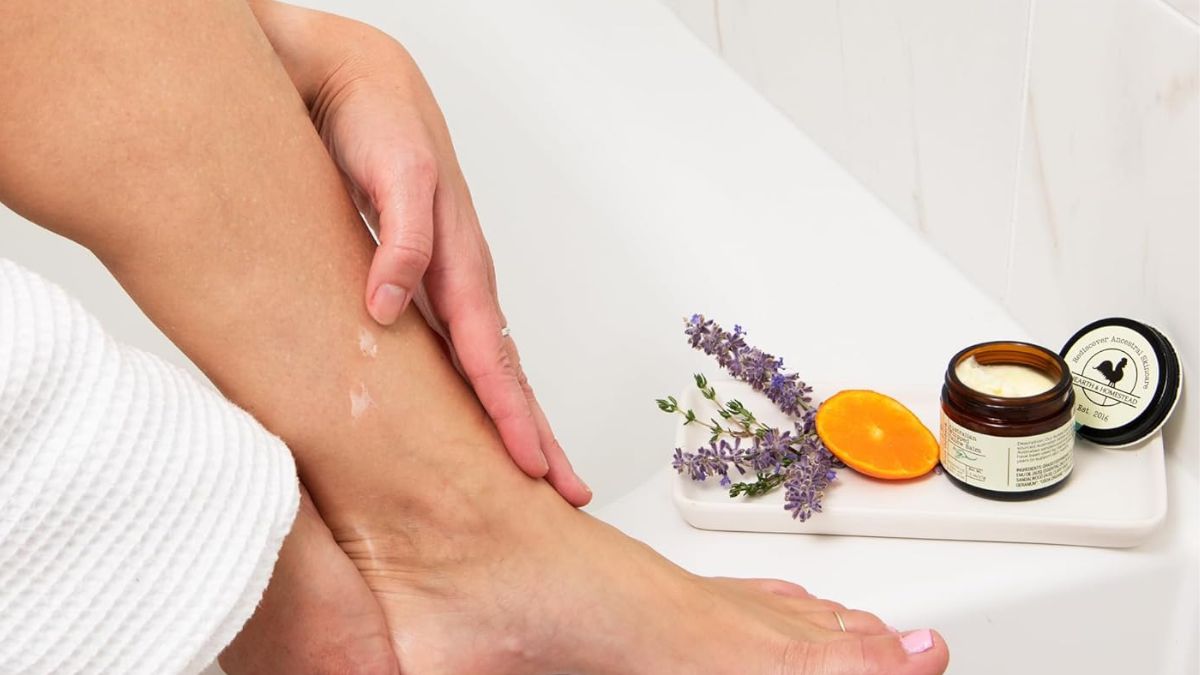
In a skincare landscape crowded with synthetic ingredients and fleeting trends, handmade whipped tallow balm stands out by doing less—but doing it better. Its roots trace back thousands of years, yet its effectiveness holds up under modern scrutiny.
As more people move away from chemical-laden creams, this simple, nutrient-dense balm has found new relevance for those dealing with dryness, inflammation, or sensitive skin.
Whether unscented or herb-infused, whipped tallow balm delivers targeted nourishment through ingredients your skin can actually recognize and use. This guide breaks down why it’s not just another natural product—it’s a return to what works.
A Traditional Ingredient Refined for Today’s Skin
Tallow balm isn’t new, but the way it’s made today makes all the difference.
Whipped for Modern Use
- Rendering at low temps preserves fat-soluble vitamins (A, D, E, K).
- Whipping transforms dense fat into a light, spreadable balm.
- Immediate absorption without greasiness sets it apart from basic balms.
Compatible with Human Skin
- Tallow mimics our skin’s natural sebum, so nutrients absorb easily.
- Saturated and monounsaturated fats (stearic and oleic acids) reinforce the skin barrier.
- Unlike most plant oils, it doesn’t oxidize quickly or clog pores.
What Makes the Ingredients Matter
The quality of your balm is only as good as the tallow and herbs it comes from.
- Grass-fed tallow contains higher levels of vitamins A, E, and K, and anti-inflammatory CLA.
- Extra virgin olive oil adds squalene and antioxidants that protect and soften skin.
- Calendula and rose infusions offer added healing, anti-inflammatory, and collagen-boosting benefits.
With no synthetic preservatives or fillers, this balm stays pure and gentle. It’s made for skin that doesn’t do well with additives—and for people who don’t want them.
Who Sees the Best Results
Whipped tallow balm isn’t just for dry skin—it’s for anyone whose skin needs help doing its job better.
- Eczema, psoriasis, and rosacea sufferers benefit from barrier repair and reduced inflammation.
- Aging skin gets support from vitamin A and antioxidants that improve elasticity and reduce fine lines.
- Outdoor workers and athletes use it for cracked skin, windburn, and minor abrasions.
- Parents trust it for diaper care, cradle cap, and kid-safe healing.
- Frequent flyers and travelers appreciate the 1.3 oz solid jar—TSA-friendly and multipurpose.
Using It Correctly Changes Everything
The best way to use tallow balm isn’t complicated, but timing and technique matter.
- Apply within 3 minutes after bathing to lock in moisture.
- Start with a pea-sized amount; a little goes far.
- Warm it between your fingers and press gently into skin, especially on dry areas.
- Use it as a final step after lighter serums or actives.
This layering makes it compatible with modern routines—even if you’re using exfoliants, acids, or acne treatments.
Choosing Between Unscented and Infused Options
Not all scents are added just for aroma—many have therapeutic skin benefits.
- Unscented is best for sensitive skin and scent-free zones like hospitals.
- Lavender helps calm inflammation and is antimicrobial.
- Blue Tansy (in Blue Outback) reduces redness and reactive skin flare-ups.
- Butter Almond improves elasticity—useful during pregnancy or weight changes.
- Vanilla Orange or Coffee Vanilla add a soothing or invigorating scent while delivering antioxidant support.
If you’re unsure, sampler kits (like the Tallow Quartet) let you test multiple variants and match them to different needs.
DIY vs. Artisan-Made: What You Gain by Buying
Making tallow balm at home is possible, but not always practical.
- Time cost: Rendering and whipping properly takes hours and special tools.
- Sourcing: Finding high-quality, grass-fed suet isn’t as easy as grabbing olive oil from the shelf.
- Consistency: Professional balms have texture, scent, and shelf-life that DIY versions rarely match.
- Price: Though a 1.3 oz jar costs around $30, it lasts for months—and spares you the learning curve.
You’re not just buying ingredients. You’re buying expertise in small-batch production and quality control.
What Real People Are Saying
User testimonials go beyond anecdotal praise—they show results over time.
- Eczema sufferers report fewer flare-ups and smoother skin within weeks.
- Rosacea users note reductions in redness and sensitivity.
- Dermal hydration tools show measurable improvements in skin moisture retention.
- Unexpected uses—cuticles, lip balm, hair flyaways—keep emerging.
Even those skeptical of using animal-based skincare say the results speak for themselves.
A Smarter Skincare Choice for the Planet
Whipped tallow balm supports more than your skin—it supports better farming and less waste.
- Tallow comes from parts of the animal typically discarded, supporting nose-to-tail sustainability.
- Regenerative farms that supply tallow promote carbon sequestration and healthier soil.
- Glass containers reduce plastic waste, and the balm’s high concentration means less packaging overall.
- Compared to petroleum-based or water-heavy moisturizers, its environmental footprint is far lower.
In short, it’s skincare that’s aligned with ethical land use and whole-animal respect.
The Tradition That Still Outperforms
Handmade whipped tallow balm isn’t a trend—it’s a revival of something that always worked.
Science now backs what ancient cultures already knew: animal fats heal, protect, and nourish in ways that lab-made formulas struggle to replicate.
With a minimal ingredient list and maximum compatibility with your skin, this balm strips away the complexity—and delivers results.
If you’ve tried everything else and your skin still isn’t happy, it may be time to return to a formula that respects both nature and biology.
The first jar may feel like a throwback. But the results? Entirely forward-thinking. That’s why it is one of Amazon’s best sellers in this category.
Leave a Reply