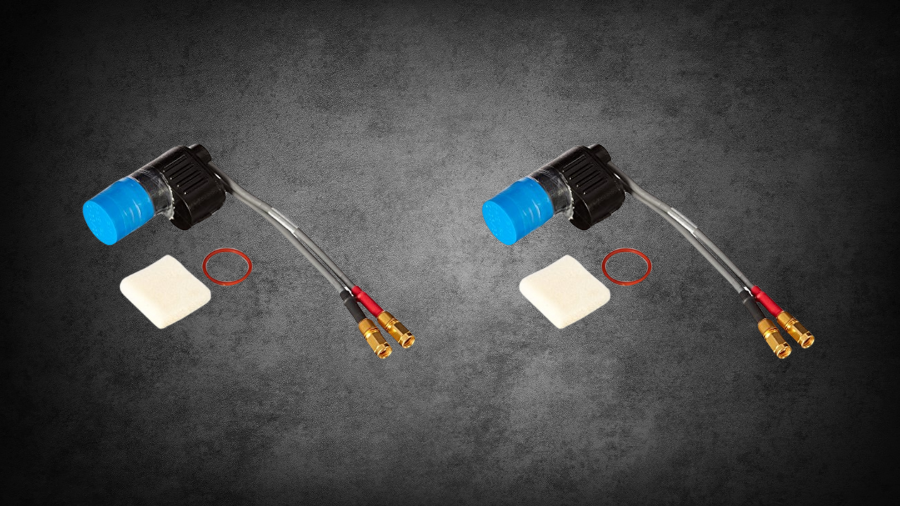
Understanding the Myron L RPR Replacement Sensor
The Myron L RPR sensor represents a critical component in precision water quality measurement systems. This replacement pH/ORP sensor serves as the analytical backbone for numerous Myron L instruments, providing reliable electrochemical measurements across diverse applications. Manufactured by Myron L Company in the United States, this sensor embodies the quality standards that have positioned the company as an industry leader in water analysis instrumentation.
What distinguishes the RPR sensor from generic alternatives is its unique porous liquid junction design, offering superior stability in varied water conditions. The sensor’s American manufacturing ensures consistent quality control standards rarely found in imported alternatives. Water treatment facilities, pool maintenance professionals, dialysis centers, and laboratory technicians all rely on this sensor for its proven performance in demanding environments.
Technical Specifications and Physical Characteristics
The RPR sensor features precise dimensions engineered for optimal performance and compatibility. At 8.25 inches (21.08 cm) in length, 3.75 inches (9.14 cm) in width, and 2.5 inches (6.60 cm) in height, the sensor maintains a compact profile while housing sophisticated measurement technology. Weighing approximately 3.04 ounces (0.19 lbs), the lightweight design enhances portability without sacrificing durability.
The technical architecture includes a combination pH glass electrode and ORP platinum electrode, integrated into a single-junction design. This construction minimizes maintenance requirements while maximizing measurement stability. The package contains the sensor unit, two orange O-rings essential for creating a waterproof seal, and relevant documentation.
Manufacturing occurs entirely within the United States, adhering to stringent quality control protocols that ensure each sensor meets exacting performance standards before distribution.
Compatible Instruments and System Integration
The RPR sensor maintains full compatibility with an extensive range of Myron L Ultrameter™ and Ultrameter II™ instruments. Specifically, the sensor integrates seamlessly with models 3P, 6P, 6Psi, 6PFC, 6PFCE, and 9P from the standard Ultrameter line. Additionally, specialized instruments including the PoolPro™ PS6, PS6si, PS6FCE, and the D-6 Digital Dialysate Meter accept this sensor without modification.
The connector interface utilizes a screw-type design with color-coded terminals (red for pH, black for ORP) that ensures proper electrical contact and prevents incorrect installation. This standardized connection system across the Myron L ecosystem simplifies inventory management for facilities maintaining multiple instruments.
Utilizing OEM replacement parts like the RPR sensor rather than third-party alternatives guarantees calibration accuracy and measurement consistency. Third-party sensors may introduce compatibility issues, measurement drift, and potential damage to instrument electronics due to connector variances.
Step-by-Step Installation Guide
Installing the RPR sensor requires no specialized tools, making field replacement straightforward. Begin by removing the protective cap and draining any remaining storage solution. Using a Phillips screwdriver, remove the four screws securing the instrument case and carefully open the housing.
Identify the sensor cables—noting that the red cable connects on the left—and disconnect them from the old sensor. Extract the expired sensor along with the two O-rings. Insert the fresh orange O-rings provided with the replacement sensor, ensuring they seat properly in their designated grooves.
Position the new RPR sensor and press firmly until it snaps into place. Reconnect the cables in their correct orientation (red on left, black on right). Secure the instrument case with the four screws, taking care not to overtighten. Finally, fill the sensor well with Myron L pH/ORP Sensor Storage Solution and replace the protective cap.
Common installation errors include improper O-ring placement, which can lead to leaks, and incorrect cable orientation, resulting in erroneous readings. If readings appear unstable after installation, verify cable connections and ensure the sensor is fully seated.
Maintenance and Longevity Tips
Maximizing sensor lifespan requires vigilant maintenance practices. The most critical maintenance factor involves keeping the sensor hydrated using Myron L pH/ORP Sensor Storage Solution when not in use. Dehydration can permanently damage the sensitive glass membrane, rendering the sensor inaccurate or inoperative.
Temperature management represents another crucial consideration. The sensor must never be exposed to freezing conditions, as ice formation can fracture the glass electrode. Store and transport instruments with installed sensors in temperature-controlled environments during cold weather.
Establish a quarterly maintenance routine that includes O-ring inspection for signs of wear, cracking, or compression set. Replace O-rings immediately if deterioration is observed, as compromised seals allow moisture ingress that can damage instrument electronics.
Under normal operating conditions with proper care, the RPR sensor typically provides 12-18 months of reliable service before replacement becomes necessary. Performance degradation typically manifests as slow response times, unstable readings, or inability to calibrate properly.
Performance and Accuracy Considerations
The RPR sensor delivers laboratory-grade measurement accuracy when properly maintained and calibrated. Response times typically fall within 30-60 seconds to achieve stable readings in most water conditions, though highly mineralized or contaminated samples may require additional stabilization time.
Environmental factors significantly influence measurement performance. Optimal accuracy occurs between 15-35°C (59-95°F), with temperature compensation algorithms correcting for thermal effects on readings. However, extreme temperatures, particularly approaching freezing, can degrade both accuracy and response time.
Calibration should occur at minimum monthly intervals using certified buffer solutions, though weekly calibration provides optimal performance in critical applications. The unique porous liquid junction design maintains accuracy longer in challenging water conditions compared to ceramic junction alternatives, particularly in high-mineral-content applications.
Where to Purchase and Price Considerations
The RPR sensor retails between $237 and $368 USD, with pricing variations reflecting different distribution channels, warranty terms, and bundled accessories. Authorized retailers include major scientific equipment suppliers such as Amazon, TEquipment, AquaPhoenix, Cole-Parmer, Xylem, Cannon Water Technology, and Serv-A-Pure.
Purchasing through authorized dealers ensures receipt of genuine Myron L products with full warranty protection. Unauthorized sources may supply counterfeit or refurbished sensors that compromise measurement accuracy and instrument safety. Most authorized dealers offer 30-day return policies and honor the manufacturer’s warranty terms.
Facilities operating multiple Myron L instruments should consider bulk purchasing arrangements that typically offer 5-15% volume discounts. Some suppliers bundle the RPR sensor with storage solution or calibration buffers, providing additional value over standalone purchases.
User Experiences and Professional Feedback
Customer sentiment regarding the RPR sensor remains overwhelmingly positive, reflected in Amazon’s 4.5/5 star average rating across 25 reviews. Users consistently highlight three key strengths: straightforward installation procedures that minimize downtime, reliable measurement accuracy that maintains calibration in challenging environments, and robust construction that withstands field conditions.
Water treatment professionals particularly praise the sensor’s performance in municipal applications, noting superior stability compared to competing products when measuring fluctuating source waters. Pool maintenance contractors emphasize the sensor’s resistance to degradation from sanitizing chemicals, extending replacement intervals beyond expectations.
The primary limitation mentioned in customer feedback involves temperature sensitivity, specifically vulnerability to freezing conditions during winter transportation or storage. Several reviewers recommend developing explicit seasonal handling protocols to prevent cold-weather damage.
Essential Safety Information
Handling the RPR sensor requires attention to several safety considerations. The glass electrode component can break if dropped or improperly installed, potentially creating sharp fragments. Always handle the sensor by its plastic body rather than the sensing tip.
The product carries a California Proposition 65 Warning, indicating it contains chemicals known to cause cancer, birth defects, or reproductive harm. Direct contact with internal components should be avoided, and hands should be washed thoroughly after handling, particularly before eating or drinking.
When disposing of expired sensors, follow local electronic waste regulations rather than discarding in standard trash. The sensor contains materials requiring specialized recycling processes. The storage solution, while non-hazardous, should be disposed of according to local chemical waste guidelines rather than poured down drains.
Making the Most of Your Investment
Integrating the RPR sensor into comprehensive water management strategies maximizes return on investment. Regular measurement trending provides early detection of water quality shifts before they become critical issues. Establishing baseline measurements for each water system under normal conditions enables anomaly detection when parameters begin drifting.
Complementary products that enhance RPR sensor utility include data logging software for Ultrameter instruments, which captures readings for historical analysis and compliance documentation. Specialized storage and transportation cases protect instruments during field operations, extending sensor life through improved environmental control.
Cost analysis demonstrates that scheduled preventive replacement typically costs 30-40% less than emergency replacement when accounting for downtime, rush shipping, and potential instrument damage from sensor failure. Progressive facilities implement rotation systems with backup sensors maintained in proper storage conditions, enabling immediate replacement while eliminating operational interruptions.
Conclusion
The Myron L RPR Replacement pH/ORP Sensor represents a critical component in accurate water quality testing. With proper installation and maintenance, this precision instrument provides reliable measurements across numerous applications. By following the guidelines in this comprehensive guide, you can maximize the performance and lifespan of your sensor investment.
Leave a Reply