Maintaining optimal water quality is fundamental in aquaculture, where even slight chemical imbalances can result in massive stock losses.
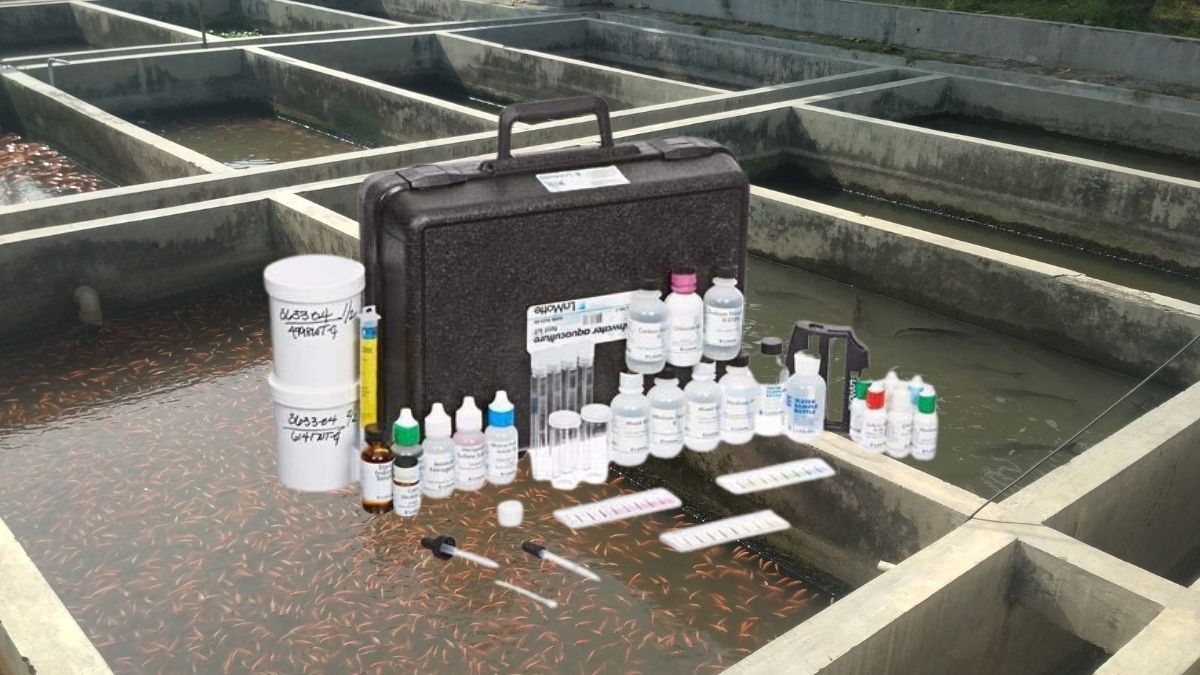
The LaMotte R-3633-05 AQ-2 Kit empowers aquaculturists to monitor and control key water parameters through a field-friendly, all-in-one testing system.
If you’re considering or currently using the AQ-2, this guide will help you understand exactly how to use the refill kit effectively—from preparation to data interpretation.
Getting Started with the AQ-2 Refill
Before diving into testing, it’s crucial to ensure your kit is properly set up and maintained.
The AQ-2 refill comes with reagents, accessories, and instructions needed to restore full testing functionality.
1. Organize Your Components
- Unpack the refill components and insert them into the pre-drilled ethafoam slots.
- Double-check that each reagent bottle is correctly labeled and matches the parameters listed.
- Store the manual in a visible area for easy reference during tests.
2. Verify Shelf Life and Storage
- Confirm expiration dates on all reagents.
- Store reagents in a cool, dark place (ideally below 25°C) to preserve chemical integrity.
Performing Accurate Water Quality Tests
The AQ-2 tests for nine key parameters using colorimetric and titrimetric methods. Here’s how to conduct them effectively.
1. Prepare Your Water Samples
- Use the sampling bottle included to collect water from consistent locations and depths.
- Avoid surface water unless specifically required.
- Conduct tests immediately after sample collection to minimize parameter drift.
2. Follow Test Instructions Precisely
Each test has specific timing, volume, and mixing requirements:
- Ammonia, Nitrite, and pH: Use the Octa-Slide color comparator. Match sample color to provided standards after adding reagents.
- Alkalinity, Carbon Dioxide, Chloride, DO, and Hardness: Use the Direct Reading Titrator. Slowly add titrant until a color change signals the endpoint.
- Temperature: Use a digital thermometer or the one provided to measure accurately during chemical testing.
Tip: Always rinse labware thoroughly with distilled water before and after each test to avoid cross-contamination.
Logging and Interpreting Your Results
Monitoring trends is as important as the tests themselves.
1. Create a Water Quality Log
- Record test date, time, location, and results.
- Note external conditions like weather, feed rate changes, or aerator use.
- Use a spreadsheet or notebook for consistency.
2. Recognize Key Thresholds
Keep an eye on critical values:
- Ammonia (NH₃-N): ≥ 1.0 ppm can be lethal
- Dissolved Oxygen: < 3.0 ppm can cause mass mortality
- pH: Optimal range is 6.5–8.5
- Carbon Dioxide: > 20 ppm may stress fish
If parameters exceed safe ranges, intervene immediately with buffering agents, aeration, or water exchange.
Maximizing Kit Longevity and Value
While the AQ-2 kit offers only 50 tests per parameter, you can extend its value with smart practices.
1. Customize Test Frequency
- Daily: Dissolved oxygen, ammonia (in high-density systems)
- Weekly: pH, alkalinity, nitrite, carbon dioxide
- Monthly: Hardness, chloride
2. Replenish Strategically
- Order individual reagent refills for high-frequency tests.
- Monitor usage rates and reorder before depletion to avoid data gaps.
Purchasing and Additional Resources
The AQ-2 Kit and refills are available through:
- Scientific supply distributors
- Aquaculture equipment retailers
- Amazon (search for “LaMotte R-3633-05 Aquaculture Kit”)
Be sure to register your kit with LaMotte to access technical support and replacement guarantees.
A Reliable System for Consistent Results
The AQ-2 kit stands out not just for the breadth of its testing capabilities, but for how it empowers aquaculturists to act with precision and confidence. Used correctly, it helps prevent fish mortality, supports higher growth rates, and fosters long-term sustainability.
By understanding how to operate and maintain the refill system, aquaculture managers—from small pond owners to commercial hatchery operators—can make informed decisions backed by reliable data.
Leave a Reply