Krill oil has quietly emerged as a formidable alternative to traditional fish oil supplements, with some compelling advantages worth your attention. A recent study in the Journal of Nutritional Science found that krill oil’s unique phospholipid structure may increase omega-3 absorption by up to 68% compared to fish oil. I’ve spent years researching marine supplements, and krill oil consistently stands out for its bioavailability and additional antioxidant benefits. Whether you’re concerned about heart health, joint pain, or cognitive function, understanding what makes krill oil special can help you determine if it deserves a place in your wellness routine.
What Is Krill Oil?
Krill oil comes from Antarctic krill (Euphausia superba), tiny crustaceans resembling shrimp that inhabit the cold waters of the Antarctic Ocean. This remarkable supplement contains omega-3 fatty acids EPA and DHA that are bound to phospholipids rather than triglycerides. This distinctive molecular structure potentially enhances absorption compared to conventional fish oil.
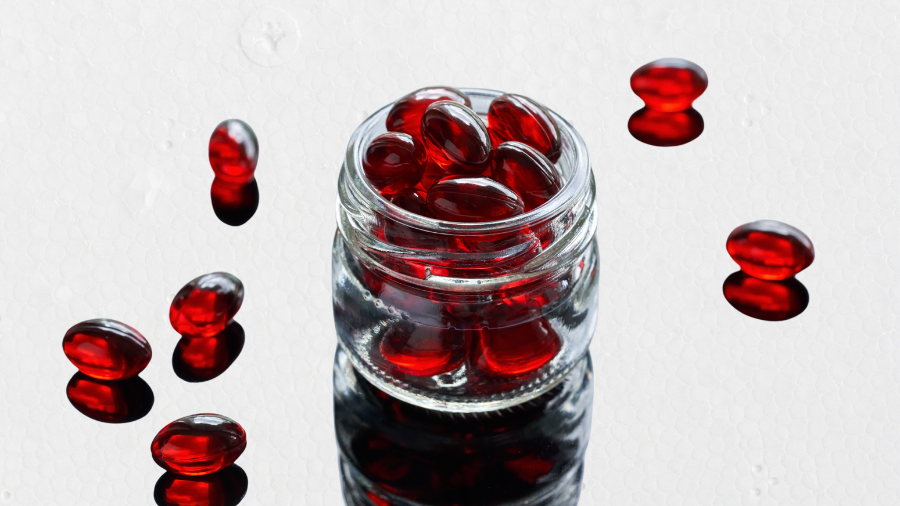
The supplement’s characteristic reddish color comes from astaxanthin, a powerful antioxidant that not only gives krill oil its distinctive hue but also protects the oil from oxidation. This natural preservation mechanism helps maintain potency and freshness while providing additional health benefits beyond what’s typically found in standard omega-3 supplements.
Health Benefits of Krill Oil
Krill oil delivers impressive cardiovascular support by helping to lower triglyceride levels and improve cholesterol profiles. Research indicates it may raise HDL (good) cholesterol while reducing LDL (bad) cholesterol and triglycerides, contributing to overall heart health.
The anti-inflammatory properties of krill oil make it particularly beneficial for joint health. Clinical studies suggest it can reduce symptoms of osteoarthritis, including knee pain and stiffness, providing relief for those suffering from joint discomfort.
For brain function, the omega-3 fatty acids in krill oil support cognitive health, while the astaxanthin crosses the blood-brain barrier to offer neuroprotective effects. This combination may help maintain brain health and potentially slow age-related cognitive decline.
Women experiencing PMS may find significant relief with krill oil supplementation. Research suggests it may alleviate emotional symptoms and discomfort more effectively than fish oil, likely due to its enhanced anti-inflammatory effects.
The antioxidant properties in krill oil support skin health by combating oxidative stress and may accelerate wound healing. Additionally, emerging research points to potential metabolic benefits, including improved blood sugar regulation.
Krill Oil vs. Fish Oil: Making the Right Choice
The structural difference between krill and fish oil creates a significant advantage in absorption efficiency. Krill oil’s omega-3s attach to phospholipids, which are compatible with human cell membranes, while fish oil contains omega-3s bound to triglycerides. Several bioavailability studies suggest that this structural difference allows for up to 68% greater absorption of krill oil omega-3s compared to fish oil.
Astaxanthin gives krill oil a distinct edge over standard fish oil supplements. This powerful antioxidant not only preserves the oil’s freshness but also provides additional health benefits not found in most fish oils. It helps protect the fragile omega-3 molecules from oxidation, maintaining their potency over time.
Practically speaking, krill oil typically produces fewer digestive complaints than fish oil. The dreaded “fishy burps” common with fish oil supplements are rarely reported with krill oil, making it more pleasant to incorporate into daily routines.
Cost considerations cannot be overlooked—krill oil generally commands a premium price compared to fish oil. This higher cost reflects the more complex harvesting process in Antarctic waters and specialized extraction methods. However, the enhanced absorption may mean smaller doses are needed to achieve similar benefits, potentially offsetting the higher per-capsule cost.
How to Select a High-Quality Krill Oil Supplement
Finding an effective krill oil supplement requires attention to several key factors. First, examine the EPA and DHA content—look for products containing at least 200-300 mg of combined EPA and DHA per serving for therapeutic benefits. Higher concentrations typically deliver more significant health effects.
The phospholipid content directly affects absorption efficiency. Premium supplements should contain at least 400 mg of phospholipids per 1,000 mg of krill oil. This higher phospholipid concentration ensures optimal delivery of omega-3s to your cells.
Astaxanthin levels matter for antioxidant protection. Quality supplements should provide at least 1 mg of astaxanthin per daily serving to deliver meaningful antioxidant benefits beyond the omega-3 content.
Sustainability certifications, particularly from the Marine Stewardship Council (MSC), ensure your supplement comes from responsibly harvested sources. This certification guarantees the krill harvesting follows strict ecological guidelines to maintain Antarctic marine ecosystems.
Third-party testing verification provides confidence in purity and potency. Look for supplements tested by independent laboratories that verify the absence of heavy metals, PCBs, dioxins, and other contaminants while confirming that actual nutrient levels match label claims.
Top Krill Oil Supplements
NatureMyst SuperiorRed Krill Oil
This premium option provides 1,000 mg of krill oil per serving with 340 mg of omega-3 fatty acids (230 mg EPA and 110 mg DHA). The formula includes 450 mg of phospholipids and 1.5 mg of astaxanthin per serving. NatureMyst maintains MSC certification for sustainability and undergoes rigorous third-party testing for purity and potency.
1MD KrillMD
For those seeking higher potency, 1MD KrillMD delivers 1,600 mg of krill oil per serving, containing 320 mg of omega-3s. Its standout feature is the substantial 550 mg phospholipid content and generous 2 mg of astaxanthin. While it comes at a higher price point, the enhanced phospholipid and astaxanthin levels may justify the investment for those seeking maximum absorption and antioxidant protection.
Kirkland Signature Krill Oil
Budget-conscious consumers will appreciate Kirkland Signature’s offering of 500 mg krill oil per softgel with 120 mg of omega-3s and 200 mg of phospholipids. Each capsule contains 150 mcg of astaxanthin. The outstanding value comes from the 160 servings per container, making this an economical choice for long-term supplementation.
MegaRed Antarctic Krill Oil
This widely available option provides 350 mg of krill oil per softgel with 90 mg of omega-3s (50 mg EPA and 24 mg DHA). Each serving delivers 130 mg of phospholipids and 17 mcg of astaxanthin. MegaRed has gained popularity for its convenient small capsule size and absence of fishy aftertaste, making it suitable for those who struggle with larger supplements.
Precautions and Side Effects
Shellfish allergies present a serious concern with krill oil supplementation. Since krill are crustaceans, individuals with shellfish allergies should avoid these supplements entirely to prevent potentially serious allergic reactions.
Blood-thinning effects deserve careful consideration. Krill oil, like other omega-3 supplements, may slow blood clotting. Individuals taking anticoagulant medications (like warfarin), anti-platelet drugs, or other supplements affecting blood clotting should consult healthcare providers before starting krill oil.
Pregnancy and breastfeeding safety remains uncertain. While omega-3s benefit fetal development, the specific safety profile of krill oil during pregnancy and lactation hasn’t been thoroughly established. Expectant or nursing mothers should seek medical advice before supplementation.
Digestive discomfort occurs in some users. Though less common than with fish oil, some individuals may experience bloating, gas, or diarrhea when taking krill oil. Starting with a lower dose and taking supplements with food can minimize these effects.
Proper storage significantly affects potency. Krill oil should be kept in cool, dark conditions to preserve the fragile omega-3s and astaxanthin. Many quality products come in dark bottles or blister packs to protect against light exposure and oxidation.
For most adults, daily doses between 500-2,000 mg appear safe, but exceeding 3,000 mg daily may increase bleeding risk. Those with specific health conditions should determine appropriate dosage with healthcare provider guidance.
Incorporating Krill Oil Into Your Wellness Routine
The journey to better health often involves making informed choices about supplements. Krill oil offers a compelling package of omega-3s in a highly bioavailable form, plus the added bonus of astaxanthin’s antioxidant protection. I recommend starting with a quality product like NatureMyst SuperiorRed or 1MD KrillMD if budget allows, taking it with food to maximize absorption and minimize any digestive discomfort. Remember that consistency is key—the benefits of krill oil typically emerge after several weeks of regular use. By understanding what makes a quality krill oil supplement and choosing products with appropriate levels of omega-3s, phospholipids, and astaxanthin, you’re positioning yourself to experience the full spectrum of benefits this remarkable marine supplement has to offer.
Leave a Reply